By Dr. Sahab Yadav
1. Introduction to Plavini Pranayama
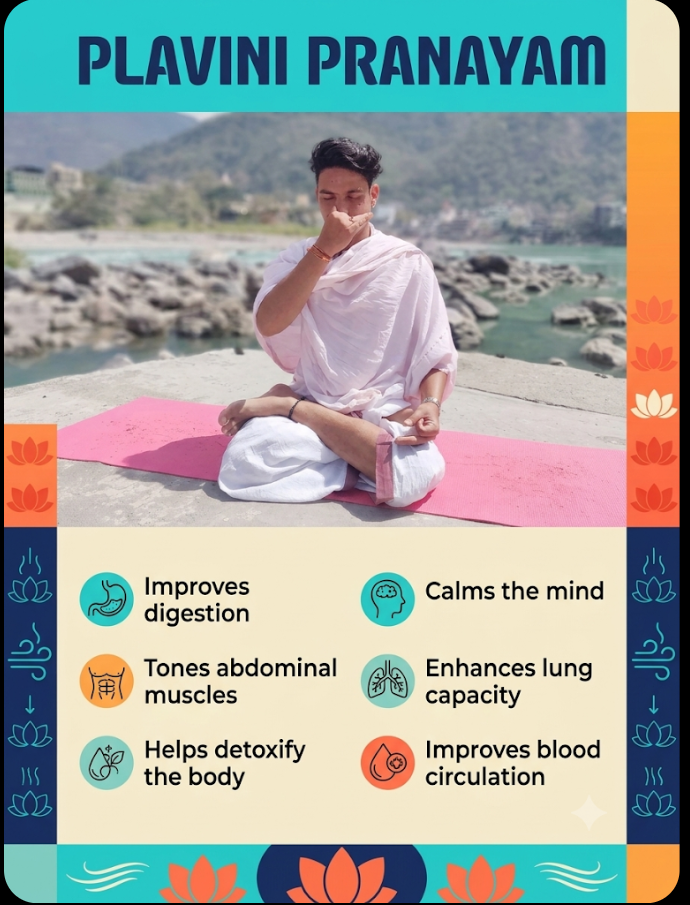
Plavini Pranayama is a traditional yogic breathing practice described in certain yoga traditions and classical Hatha Yoga texts. The Sanskrit word Plavini is associated with floating or buoyancy.
This pranayama is traditionally linked to the ability to take air into the digestive tract, creating a sensation of fullness and, in traditional descriptions, buoyancy. It is different from ordinary deep breathing and should not be confused with simply filling the lungs with air.
Plavini is an advanced practice that requires appropriate instruction from an experienced yoga teacher. Beginners should learn basic breathing techniques before attempting it.
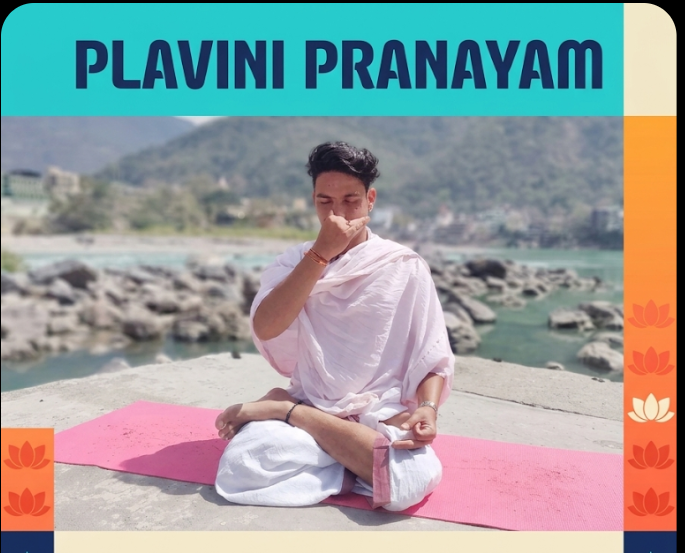
Important: Claims about floating on water or extraordinary physical abilities associated with Plavini are traditional descriptions and should not be regarded as scientifically established health benefits.
2. What Is Plavini Pranayama?
Plavini Pranayama is one of the traditional pranayama practices associated with Hatha Yoga.
Unlike many common breathing exercises, which primarily involve controlling airflow into and out of the lungs, traditional descriptions of Plavini involve swallowing air into the stomach or digestive tract.
The practice is sometimes discussed in connection with:
- Yogic breath control.
- Awareness of the abdomen and digestive tract.
- Traditional Hatha Yoga practices.
- Advanced yogic discipline and body awareness.
However, there is limited scientific research specifically investigating Plavini Pranayama. Therefore, its traditional claims should be distinguished from medically demonstrated benefits.
3. How to Practise Plavini Pranayama
Plavini is not recommended for unsupervised experimentation. Unlike beginner-friendly breathing exercises, it may involve swallowing air into the digestive tract, which can cause discomfort or other problems if performed incorrectly.
If you are interested in learning this technique, follow these guidelines:
Step 1: Learn the basics
Begin with comfortable, natural breathing while sitting in Sukhasana or another stable seated posture.
Step 2: Relax your body
Keep your spine comfortably upright, relax your shoulders, and avoid unnecessary tension in your abdomen.
Step 3: Practise gentle breathing
Breathe slowly and comfortably without forcing inhalation, swallowing air, or holding your breath.
Step 4: Seek qualified instruction
Learn the traditional Plavini technique directly from an experienced yoga instructor who understands its specific method and precautions.
Step 5: Avoid force
Never force air into your stomach, strain, or attempt prolonged breath retention. Stop if you experience pain, dizziness, nausea, bloating, or difficulty breathing.
Note: The steps above describe safe preparation for breathing practice, not the complete traditional Plavini technique.
4. Potential Benefits of Plavini Pranayama
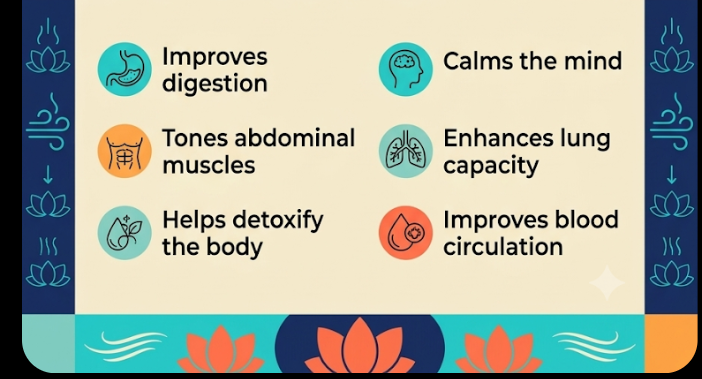
Traditional yoga literature associates Plavini with unusual control over air and bodily buoyancy. However, strong clinical evidence supporting specific therapeutic benefits is lacking.
Potential areas of interest include:
1. Breath awareness: Learning pranayama under supervision may improve awareness of breathing patterns.
2. Mind–body awareness: Regular, gentle yoga practice can encourage relaxation and attention to bodily sensations.
3. Yogic discipline: Studying advanced pranayama may help practitioners develop patience and consistency in their yoga practice.
4. Relaxation through preparatory breathing: Gentle, comfortable breathing exercises may promote relaxation. This benefit should not be attributed specifically to Plavini without further research.
Does Plavini Pranayama improve digestion?
There is insufficient scientific evidence that Plavini directly improves digestion, treats constipation, reduces acidity, or cures other digestive disorders.
Swallowing air can actually increase belching, abdominal distension, and discomfort in some people.
5. Precautions and Contraindications
Plavini requires particular caution because of its association with swallowing air and its advanced nature.
Avoid attempting the technique without medical and qualified yoga guidance if you have:
- Gastroesophageal reflux disease (GERD) or frequent acid reflux.
- Significant bloating or excessive belching.
- A history of swallowing difficulties.
- Significant gastrointestinal disease or recent abdominal surgery.
- A heart or lung condition that makes breath-control exercises difficult.
Avoid practising after a heavy meal. Do not combine the practice with prolonged breath retention, forceful abdominal contractions, or underwater experiments.
If you develop chest pain, severe abdominal pain, persistent vomiting, or difficulty breathing, stop immediately and seek appropriate medical care.
A safer alternative for beginners
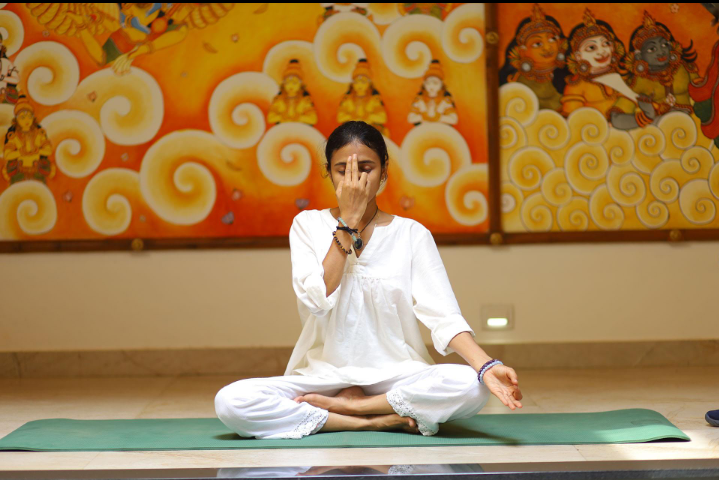
If your goal is relaxation, try gentle diaphragmatic breathing instead:
- Sit comfortably.
- Inhale gently through your nose.
- Allow your abdomen to expand naturally.
- Exhale slowly without forcing the breath.
- Continue for 2–5 minutes, stopping if you feel uncomfortable.
This is a beginner-friendly breathing exercise and does not require swallowing air.
6. Frequently Asked Questions (FAQs)
Q1. What is Plavini Pranayama?
Plavini is a traditional Hatha Yoga breathing practice associated with swallowing air into the digestive tract and, in traditional descriptions, with buoyancy.
Q2. Can Plavini Pranayama help a person float on water?
Traditional yoga accounts associate Plavini with floating. However, there is insufficient reliable scientific evidence that the practice enables a person to float in the extraordinary manner sometimes described. Never test this claim in water, because drowning can occur even in experienced swimmers.
Q3. Is Plavini Pranayama suitable for beginners?
No. It is better regarded as an advanced traditional practice. Beginners should first learn comfortable breathing techniques under appropriate guidance.
Q4. Can Plavini Pranayama cure digestive problems?
There is no strong clinical evidence that Plavini cures digestive diseases. Swallowing air may worsen bloating, belching, or abdominal discomfort.
Q5. What is the best time to practise Plavini Pranayama?
There is no well-established, scientifically validated optimal time. If an experienced teacher considers the practice appropriate, follow their instructions regarding timing and preparation. Avoid attempting it after a heavy meal.
Q6. How long should I practise Plavini Pranayama?
There is no universally established, evidence-based duration. Do not follow arbitrary recommendations to practise for extended periods. Learn the method and appropriate limits from a qualified instructor.
Q7. What is the difference between Plavini and Bhramari Pranayama?
| Feature | Plavini Pranayama | Bhramari Pranayama |
| Traditional method | Associated with swallowing air | Producing a gentle humming sound during exhalation |
| Difficulty | Advanced | Generally suitable for beginners when performed gently |
| Main focus | Traditional control of air within the body | Breath awareness and humming |
| Scientific evidence | Very limited research specifically on Plavini | Some research on humming and related breathing practices, though evidence for specific health claims remains limited |
| Beginner suitability | Not recommended without expert instruction | Usually appropriate with basic guidance |
Q8. Can Plavini Pranayama be practised daily?
There is insufficient evidence to establish a safe, effective daily routine for Plavini. Consult a qualified instructor before incorporating it into your regular practice.
7. Conclusion
Plavini Pranayama is a fascinating traditional practice within the broader discipline of Hatha Yoga. Its association with swallowing air and buoyancy distinguishes it from more familiar breathing exercises.
However, traditional descriptions should not be mistaken for scientifically proven medical benefits. Because the practice may cause gastrointestinal discomfort and requires specialised instruction, beginners should not attempt it independently.
For everyday relaxation and breath awareness, gentle diaphragmatic breathing or beginner-level pranayama is a more suitable starting point.
Remember: Yoga is a journey of awareness, patience, and balance. Practise safely, respect your body’s limits, and seek qualified guidance when learning advanced techniques.
Suggested Blog Title for Publication
Plavini Pranayama: Meaning, Traditional Technique, Benefits, Precautions & FAQs
Suggested SEO description:
Discover Plavini Pranayama, a traditional Hatha Yoga breathing practice. Learn its meaning, traditional principles, potential benefits, safety precautions, FAQs, and beginner-friendly alternatives.
Suggested health disclaimer:
This article is intended for educational purposes only and does not replace professional medical advice or personalised instruction from a qualified yoga teacher.