Sheetkari Pranayama
Introduction
Yoga is an ancient Indian practice that promotes physical health, mental relaxation, and emotional well-being. Pranayama, an important part of yoga, involves controlling and regulating the breath to develop awareness and calmness.
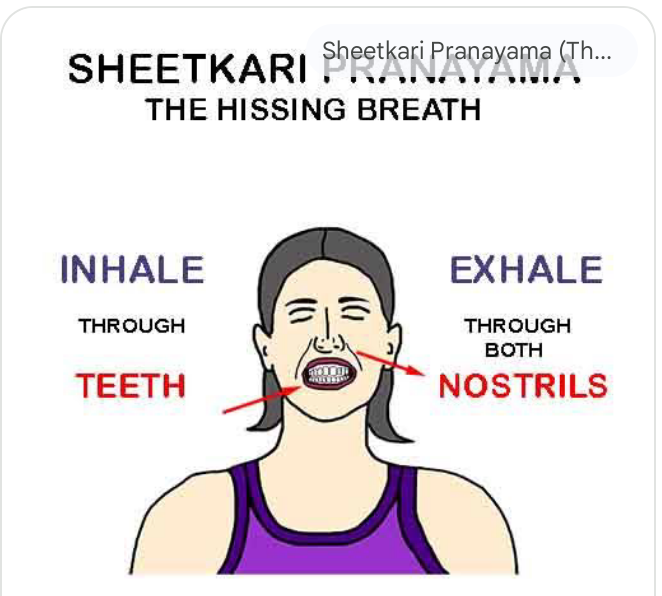
Sheetkari Pranayama, also known as the hissing breath, is a cooling breathing technique. The word Sheetkari is derived from Sanskrit and is associated with the hissing sound produced while inhaling air through the teeth.
This pranayama is traditionally practised to create a cooling sensation in the body and promote relaxation. It may be particularly refreshing during hot weather when practised comfortably and correctly.
In this article, we will explore the meaning, benefits, steps, precautions, and frequently asked questions about Sheetkari Pranayama.
What Is Sheetkari Pranayama?
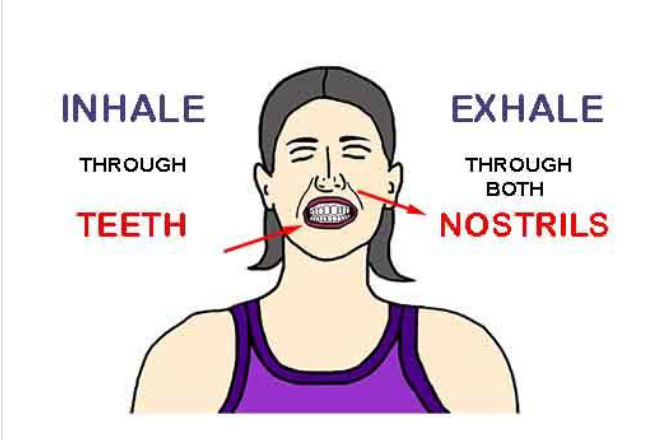
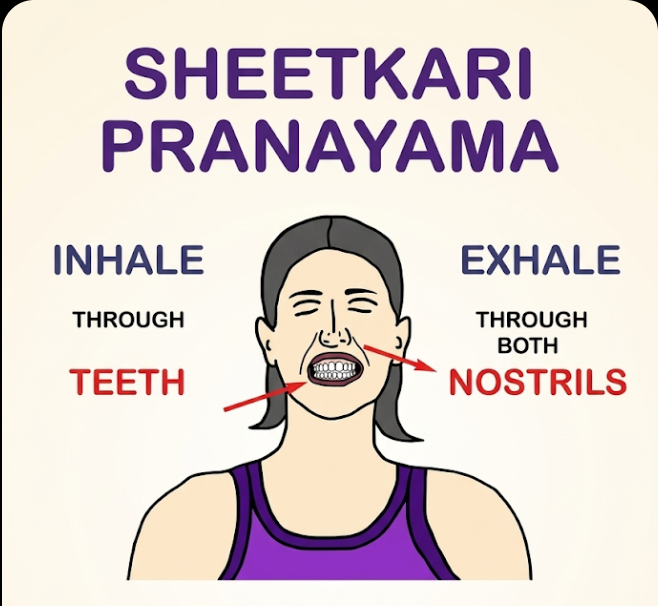
Sheetkari Pranayama is a yogic breathing exercise in which a person gently inhales through slightly closed teeth, producing a soft hissing sound, and exhales slowly through the nose.
Unlike Sheetali Pranayama, which involves inhaling through a rolled tongue, Sheetkari Pranayama is generally performed by keeping the teeth lightly together and allowing the lips to open slightly.
The practice is traditionally associated with cooling and calming effects. It may also help develop breath awareness and encourage relaxation.
Benefits of Sheetkari Pranayama
1. Creates a Cooling Sensation
Sheetkari Pranayama is traditionally considered a cooling breathing technique. Inhaling through the teeth can create a refreshing sensation in the mouth.
However, it should not be considered a substitute for drinking water, cooling the body, or treating heat-related illness.
2. Promotes Relaxation
Slow, controlled breathing can encourage relaxation and may help reduce feelings of everyday stress.
Practising Sheetkari Pranayama in a quiet environment may help you feel calmer and more comfortable.
3. Encourages Mindfulness
Focusing on the hissing sound, inhalation, and exhalation can help bring attention to the present moment.
This mindful approach may support emotional well-being and help develop concentration.
4. Supports Breath Awareness
Sheetkari Pranayama encourages awareness of the breathing process. Regular, comfortable practice can help people become more conscious of their breathing patterns.
It should be performed gently, without forcing the breath or holding it for long periods.
5. May Support a Relaxing Yoga Routine
Sheetkari Pranayama can be included in a gentle yoga routine alongside meditation, stretching, and other breathing practices.
It is important to remember that individual experiences vary and that strong clinical evidence for specific medical benefits of Sheetkari Pranayama remains limited.
How to Practise Sheetkari Pranayama
Follow these steps to practise Sheetkari Pranayama safely.
Step 1: Choose a Comfortable Position
Sit comfortably on a yoga mat or chair. Keep your back straight, shoulders relaxed, and hands resting on your knees.
You may sit in Sukhasana or another comfortable seated position.
Step 2: Relax Your Body
Close your eyes gently if comfortable. Relax your facial muscles and breathe normally through your nose for a few moments.
Step 3: Position Your Teeth and Lips
Bring your upper and lower teeth gently together without clenching them. Part your lips slightly so that air can pass through the teeth.
Do not force your jaw into an uncomfortable position.
Step 4: Inhale Through Your Teeth
Slowly inhale through the gaps between your teeth, producing a soft hissing sound.
Keep the inhalation gentle and comfortable.
Step 5: Exhale Through Your Nose
Close your mouth and exhale slowly through your nose.
Allow your shoulders and facial muscles to remain relaxed.
Step 6: Repeat the Practice
Repeat the process for approximately 5–10 comfortable breathing cycles at first.
You may gradually increase the duration if you feel comfortable and have no symptoms.
Important: Do not force your breathing or hold your breath. Stop if you experience dizziness, breathlessness, chest discomfort, or unusual discomfort.
Best Time to Practise Sheetkari Pranayama
Sheetkari Pranayama can be practised at a time when you feel comfortable and can sit quietly without interruption.
Helpful suggestions include:
- Practise in a clean, quiet, and well-ventilated environment.
- Choose a comfortable time in the morning or evening.
- Avoid practising immediately after a heavy meal.
- In hot weather, use it as a gentle relaxation practice rather than relying on it to prevent overheating.
- Begin with a few breathing cycles and increase gradually according to comfort.
There is no need to practise for long periods to benefit from a calming breathing routine.
Precautions and Contraindications
Although Sheetkari Pranayama is a gentle breathing exercise for many people, certain precautions are important.
1. Avoid Cold or Polluted Air
Avoid inhaling through your teeth in environments with very cold air, dust, smoke, or other irritants.
2. Be Careful if You Have Respiratory Problems
People with asthma, chronic respiratory disease, or sensitivity to cold air should be cautious. Stop if the practice triggers coughing, wheezing, or breathing difficulty.
Seek advice from a healthcare professional if you are unsure whether it is suitable for you.
3. Avoid Clenching Your Teeth
Keep your jaw relaxed. If you have dental pain, sensitive teeth, or jaw-joint problems, avoid the practice if the position causes discomfort.
4. Do Not Force Breath Retention
Beginners should avoid prolonged breath-holding, especially if they have cardiovascular or respiratory conditions.
5. Stop if You Feel Unwell
Stop practising if you experience dizziness, weakness, chest pain, or shortness of breath. Seek appropriate medical attention for severe or persistent symptoms.
6. Do Not Use It as a Medical Treatment
Sheetkari Pranayama is a complementary wellness practice, not a replacement for prescribed medication or professional medical care.
Difference Between Sheetkari and Sheetali Pranayama
Sheetkari and Sheetali are both traditionally recognised as cooling pranayama techniques, but their breathing methods differ.
| Feature | Sheetkari Pranayama | Sheetali Pranayama |
| Inhalation | Through the teeth | Through a rolled tongue |
| Mouth position | Lips slightly open, teeth gently together | Tongue rolled into a tube, if possible |
| Sound | Usually produces a soft hissing sound | Usually produces a gentle inhalation sound |
| Exhalation | Through the nose | Through the nose |
| Main traditional association | Cooling and relaxation | Cooling and relaxation |
Some people cannot roll their tongues comfortably. Sheetkari may be an alternative for those individuals, provided they can perform it without discomfort.
Frequently Asked Questions (FAQs)
1. What is Sheetkari Pranayama?
Sheetkari Pranayama is a yogic breathing technique in which air is inhaled through slightly closed teeth with a soft hissing sound and exhaled through the nose.
2. What are the main benefits of Sheetkari Pranayama?
It is traditionally associated with a cooling sensation and relaxation. Its slow, mindful breathing pattern may also encourage breath awareness and help relieve everyday stress.
However, evidence supporting specific medical benefits is limited.
3. How many minutes should I practise Sheetkari Pranayama?
Beginners can start with approximately 5–10 comfortable breathing cycles. The total duration may be increased gradually if the practice remains comfortable.
There is no need to force a specific duration.
4. Can I practise Sheetkari Pranayama daily?
Many healthy adults can include this gentle breathing exercise in their daily yoga routine. Practise comfortably and stop if you experience any unpleasant symptoms.
5. Is Sheetkari Pranayama useful in summer?
It is traditionally used during warm weather because it creates a cooling sensation in the mouth. However, it does not replace adequate hydration, shade, or other measures to prevent heat-related illness.
6. What is the difference between Sheetkari and Sheetali Pranayama?
In Sheetkari Pranayama, air is inhaled through the teeth. In Sheetali Pranayama, air is inhaled through a rolled tongue.
Both are traditionally associated with cooling effects.
7. Can Sheetkari Pranayama reduce stress?
Slow, controlled breathing may help some people relax and manage everyday stress. However, individual responses vary, and Sheetkari Pranayama should not be considered a treatment for anxiety disorders.
8. Who should avoid Sheetkari Pranayama?
People who experience discomfort from cold air, respiratory irritation, dental pain, or jaw problems should avoid or modify the practice. People with significant respiratory or cardiovascular conditions should seek professional guidance if uncertain.
9. Should I hold my breath during Sheetkari Pranayama?
Beginners should not force breath retention. Gentle inhalation followed by comfortable exhalation is sufficient for a basic practice.
10. Can Sheetkari Pranayama cure high blood pressure?
No. There is insufficient evidence that Sheetkari Pranayama alone can treat or cure hypertension. People with high blood pressure should continue their prescribed treatment and consult their healthcare professional before undertaking intensive breathing exercises.
Conclusion
Sheetkari Pranayama is a traditional yogic breathing technique that involves inhaling through slightly closed teeth and exhaling through the nose. It is commonly practised to create a cooling sensation and encourage relaxation.
When performed gently and comfortably, it can be a useful addition to a daily yoga and mindfulness routine. Beginners should focus on natural breathing, proper posture, and gradual practice rather than prolonged sessions or breath retention.
Remember that pranayama supports general well-being but does not replace medical treatment. With regular, mindful practice and appropriate precautions, Sheetkari Pranayama can become a simple part of a balanced lifestyle.
Breathe gently, stay mindful, and make your well-being a priority.