Introduction
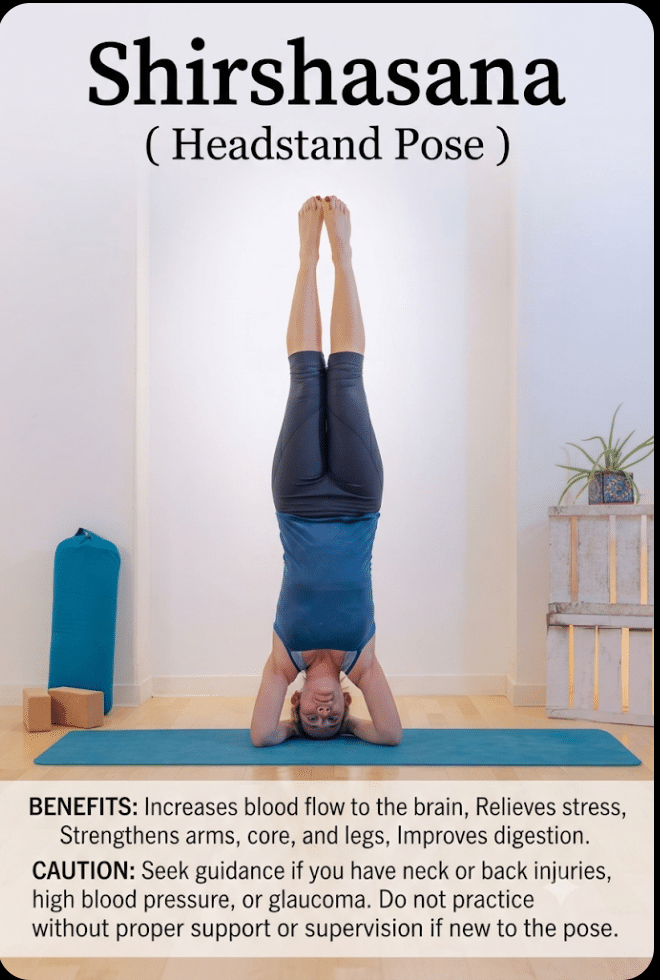
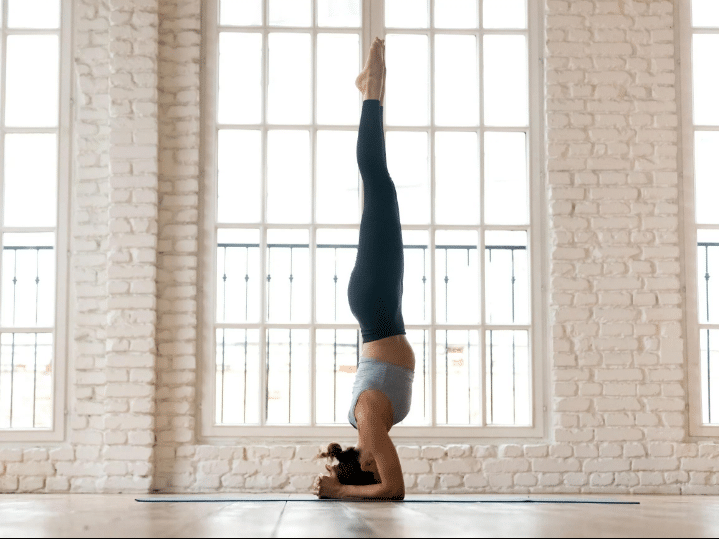
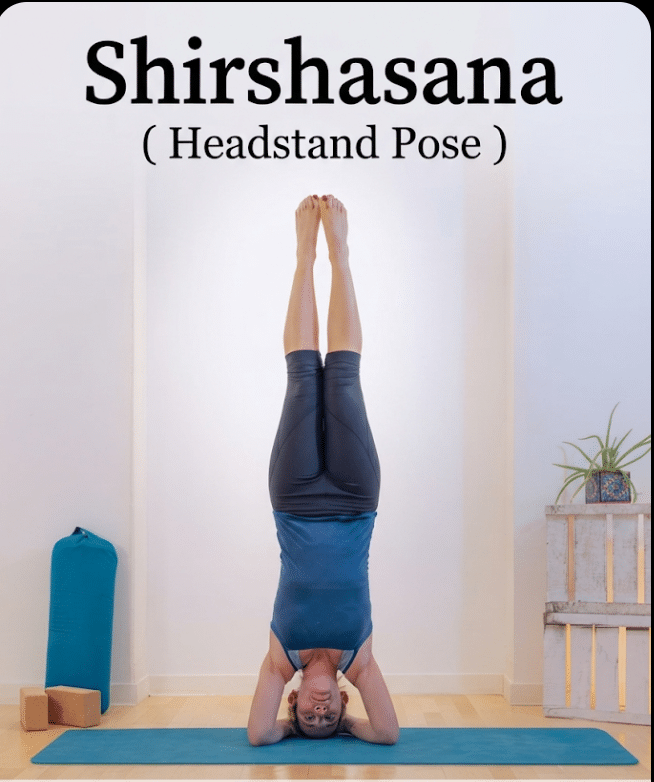
Shirshasana (शीर्षासन), also known as the Headstand Pose, is one of the most famous and advanced yoga postures. The word Shirsha means head, and Asana means posture. Traditionally called the “King of Asanas,” it challenges balance, concentration, core strength, and body awareness. Because it places the body upside down, it should be learned gradually under the guidance of a qualified yoga teacher.
🌟 How to Practice Shirshasana
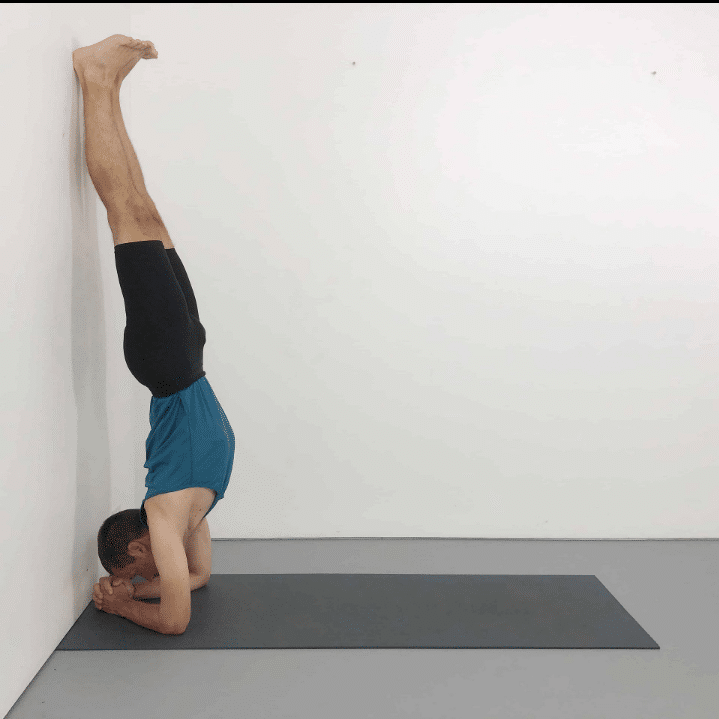
Important: Beginners should practice with a qualified instructor rather than attempting a full headstand alone.
Step-by-Step Method
- Start in a kneeling position on a yoga mat.
- Place your forearms on the floor with elbows approximately shoulder-width apart.
- Interlock your fingers to create a stable base.
- Gently place the crown of your head on the mat, supported by your hands.
- Lift your knees and hips upward.
- Slowly walk your feet closer to your body.
- Bend your knees toward your chest with control.
- Gradually lift both legs upward.
- Keep your core engaged and body aligned.
- Breathe slowly and maintain the pose only as long as you feel stable.
- To come down, slowly bend your knees and lower your legs with control.
- Rest in Balasana (Child’s Pose) for a few breaths.
💪 Benefits of Shirshasana
1. Strengthens the Upper Body
It develops strength in the shoulders, arms, upper back, and core.
2. Improves Balance
The pose develops body awareness, coordination, and balance.
3. Enhances Concentration
Maintaining an inverted position requires focus and mental control.
4. Builds Confidence
Learning this challenging posture gradually can increase confidence and discipline.
5. Supports an Active Yoga Practice
Shirshasana can be a challenging and enjoyable part of a balanced yoga routine.
Note: Some traditional claims suggest dramatic improvements in brain function, memory, detoxification, or circulation, but these benefits are not strongly established by scientific evidence. The more reliable benefits relate to strength, balance, focus, and body awareness.
⚠️ Precautions
Shirshasana is an advanced pose and may not be suitable for everyone. Avoid it or seek medical clearance if you have:
- Uncontrolled high blood pressure
- Heart disease
- Glaucoma or significant eye conditions
- Neck or cervical spine problems
- Recent head or spinal injuries
- Frequent dizziness or severe headaches
- High risk of falls
- Certain pregnancy-related conditions
Stop immediately if you experience neck pain, dizziness, headache, or unusual pressure.
❌ Common Mistakes to Avoid
- Jumping forcefully into the pose
- Putting excessive weight directly on the head and neck
- Practicing without adequate shoulder and core strength
- Holding the pose for too long
- Ignoring pain or dizziness
- Attempting the pose without proper supervision
🙋 Frequently Asked Questions (FAQ)
Q1. Is Shirshasana suitable for beginners?
Answer: It is an advanced pose. Beginners should first develop strength and control through preparatory poses and learn under qualified supervision.
Q2. How long should I hold Shirshasana?
Answer: Beginners may start with only a few seconds under supervision and gradually progress. Quality and control are more important than duration.
Q3. Can Shirshasana improve concentration?
Answer: The pose requires significant focus and body awareness, which can help train concentration and mental control.
Q4. Should I practice Shirshasana against a wall?
Answer: A wall may be used during supervised progression, but it is not a substitute for proper instruction and safe technique.
Q5. Can people with high blood pressure do Shirshasana?
Answer: Generally, uncontrolled hypertension is a reason to avoid headstand unless a qualified healthcare professional specifically clears the practice.
Q6. What should I do after Shirshasana?
Answer: Come down slowly and rest for a few breaths, commonly in Balasana (Child’s Pose), before continuing your practice.
🌿 Conclusion
Shirshasana is not about staying upside down for a long time—it is about developing strength, balance, patience, and control. When practiced with correct preparation and expert guidance, the Headstand Pose can become a rewarding part of an advanced yoga journey.
✨ *“Turn your world upside down, and discover the strength that was always within you.”*