⭐INTRODUCTION
Psoriatic arthritis (PsA) is a chronic inflammatory joint disease that affects some people who have psoriasis. It can cause pain, stiffness, and swelling in the joints and may also affect tendons, ligaments, and even the spine. If not treated early, psoriatic arthritis can lead to permanent joint damage and reduced quality of life.
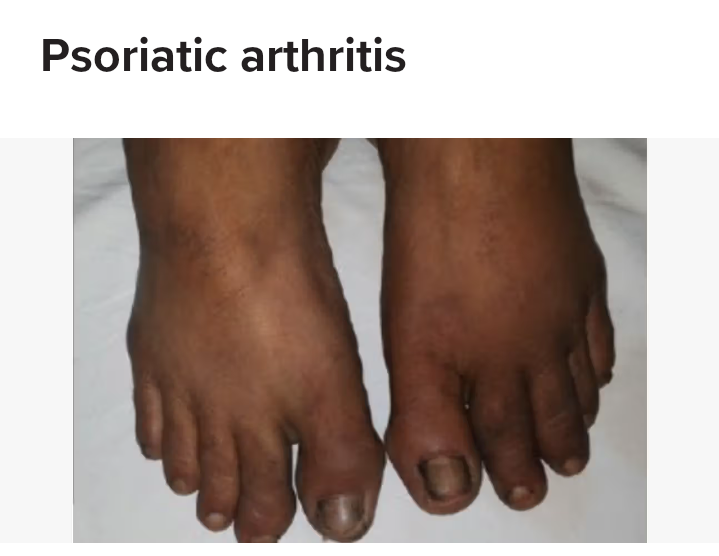
⭐What is Psoriatic Arthritis?
Psoriatic arthritis is an autoimmune condition in which the body’s immune system mistakenly attacks healthy joints and tissues. It usually develops in people with psoriasis, a skin condition characterized by red, scaly patches, but in some cases, joint symptoms may appear before skin signs.
⭐Causes of Psoriatic Arthritis
The exact cause is not fully known, but several factors play a role:
- Immune system dysfunction
- Genetic predisposition (family history of psoriasis or arthritis)
- Environmental triggers such as infections or physical trauma
- Stress, which may worsen symptoms
⭐Common Symptoms
Symptoms vary from person to person and may range from mild to severe:
- Joint pain, swelling, and tenderness
- Morning stiffness lasting more than 30 minutes
- Swollen fingers or toes (sausage-like appearance)
- Reduced range of joint movement
- Fatigue and general weakness
- Nail changes like pitting or separation from the nail bed
- Lower back pain if the spine is involved
⭐Types of Psoriatic Arthritis
Psoriatic arthritis can present in different patterns, including:
- Asymmetrical arthritis – affects different joints on each side
- Symmetrical arthritis – similar to rheumatoid arthritis
- Distal interphalangeal arthritis – affects finger and toe joints near the nails
- Spondylitis – affects the spine and neck
- Arthritis mutilans – rare but severe form causing joint deformity
⭐Diagnosis
There is no single test for psoriatic arthritis. Diagnosis is based on:
- Medical history and physical examination
- Presence of psoriasis or family history
- Blood tests to rule out other types of arthritis
- Imaging tests like X-ray, MRI, or ultrasound
NOTE :-
Early diagnosis is crucial to prevent joint damage.
⭐Management and Treatment
Although there is no permanent cure, psoriatic arthritis can be effectively managed with proper care:
- Medications to reduce inflammation and control immune response
- Physiotherapy and exercise to maintain joint flexibility
- Weight management to reduce joint stress
- Stress reduction techniques such as yoga and meditation
- Healthy lifestyle, including balanced diet and adequate rest
NOTE :-
Treatment plans are usually personalized based on disease severity.
💐Frequently Asked Questions (FAQ)
1. Is psoriatic arthritis the same as rheumatoid arthritis?
No. While both are inflammatory arthritis, psoriatic arthritis is associated with psoriasis and has different clinical features.
2. Can psoriatic arthritis be cured permanently?
Currently, there is no cure, but early and proper treatment can control symptoms and prevent joint damage.
3. Does everyone with psoriasis develop psoriatic arthritis?
No. Only a portion of people with psoriasis develop psoriatic arthritis.
4. Is psoriatic arthritis contagious?
No, it is not contagious.
5. Can lifestyle changes help manage psoriatic arthritis?
Yes. Regular exercise, stress management, healthy diet, and avoiding smoking or alcohol can help reduce flare-ups.
🌺Conclusion
Psoriatic arthritis is a long-term but manageable condition that affects both joints and overall well-being. Early recognition of symptoms and timely medical intervention are essential to prevent complications and maintain a good quality of life. With the right combination of medical treatment, physical activity, and healthy lifestyle choices, individuals with psoriatic arthritis can lead active and productive lives.😊