⭐INTRODUCTION
Erythrodermic Psoriasis is a rare but very serious form of psoriasis. Unlike common plaque psoriasis, it affects almost the entire body and can become life-threatening if not treated promptly. This condition needs immediate medical attention and careful long-term management.
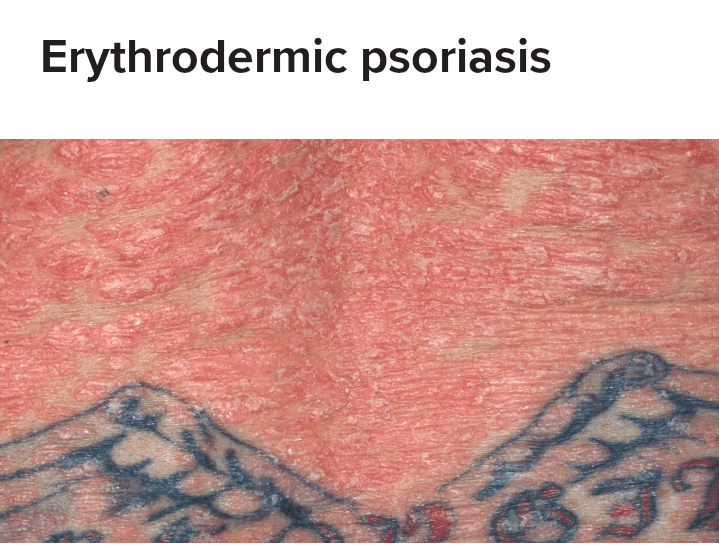
⭐What is Erythrodermic Psoriasis?
Erythrodermic psoriasis is an inflammatory skin disorder where 80–90% of the body surface becomes red, inflamed, and scaly. The skin may appear bright red or dark, feel extremely hot, and shed in large sheets. It disrupts the body’s ability to regulate temperature and fluids.
⭐Causes and Triggers
This condition often develops in people who already have psoriasis. Common triggers include:
- Sudden withdrawal of corticosteroid medicines
- Severe sunburn
- Infections
- Emotional stress
- Alcohol overuse
- Certain medications (like lithium or antimalarials)
- Untreated or unstable plaque psoriasis
⭐Signs and Symptoms
Symptoms may appear suddenly and worsen rapidly:
- Widespread redness and inflammation
- Severe itching, burning, or pain
- Skin peeling in large flakes
- Swelling of feet and ankles
- Fever and chills
- Rapid heartbeat
- Dehydration
- Fatigue and weakness
⚠️ NOTE :-
This condition can cause complications such as infection, heart failure, and electrolyte imbalance.
⭐Diagnosis
Diagnosis is based on:
- Clinical examination
- Medical history of psoriasis
- Skin biopsy (if needed)
- Blood tests to check infection, dehydration, or organ stress
⭐Treatment Options
Erythrodermic psoriasis is usually treated in a hospital setting, especially during flare-ups.
Medical treatments include:
- Systemic medications (methotrexate, cyclosporine, biologics)
- Intravenous fluids and temperature regulation
- Antibiotics if infection is present
- Moisturizers and wet dressings
- Careful use of topical treatments
❌ NOTE :-
Strong topical steroids alone are not enough and should not be stopped suddenly without medical advice.
⭐Lifestyle and Home Care (After Stabilization)
- Keep skin moisturized regularly
- Avoid triggers like alcohol and stress
- Follow medication schedule strictly
- Maintain hydration
- Protect skin from extreme temperatures
- Regular follow-ups with a dermatologist
💐Frequently Asked Questions (FAQ)
1. Is erythrodermic psoriasis contagious?
No, it is not contagious and cannot spread through touch.
2. Is erythrodermic psoriasis curable?
There is no permanent cure, but it can be effectively controlled with proper treatment.
3. Can erythrodermic psoriasis be life-threatening?
Yes, if untreated, it can lead to serious complications. Immediate medical care is essential.
4. Who is at higher risk?
People with long-standing psoriasis, improper steroid use, or weakened immunity are at higher risk.
5. How is it different from plaque psoriasis?
Plaque psoriasis affects limited areas, while erythrodermic psoriasis affects most of the body and causes systemic symptoms.
6. Can stress trigger erythrodermic psoriasis?
Yes, severe emotional or physical stress can trigger flare-ups.
🌺Conclusion
Erythrodermic psoriasis is a medical emergency, not just a skin condition. Early diagnosis, hospital-based care, and long-term management are crucial to prevent complications. With proper treatment, lifestyle adjustments, and regular dermatological care, patients can achieve stability and significantly improve their quality of life. If symptoms like widespread redness, fever, or skin peeling occur, seek medical help immediately.