INTRODUCTION
Drug eruption refers to unwanted skin reactions caused by medications. These reactions can range from mild rashes to severe, life-threatening conditions. It is one of the most common adverse effects seen in clinical practice.
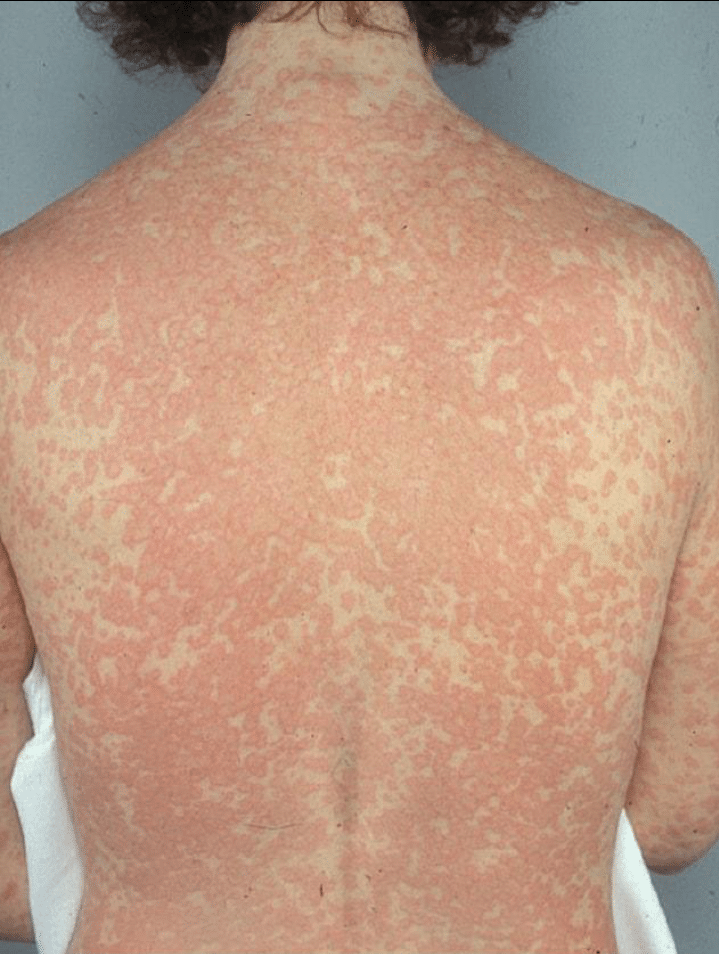
DRUG ERUPTION
What is Drug Eruption?
Drug eruption is an abnormal response of the skin to a medication. It may appear as rashes, redness, itching, swelling, or blisters after taking certain drugs. These reactions can occur within hours, days, or even weeks after starting a medication.
Common Causes
Drug eruptions can be triggered by various medications, such as:
- Antibiotics (e.g., penicillin, sulfa drugs)
- Painkillers (NSAIDs like ibuprofen)
- Antiepileptic drugs
- Antimalarial drugs
- Chemotherapy drugs
Types of Drug Eruptions
1. Exanthematous (Maculopapular) Rash
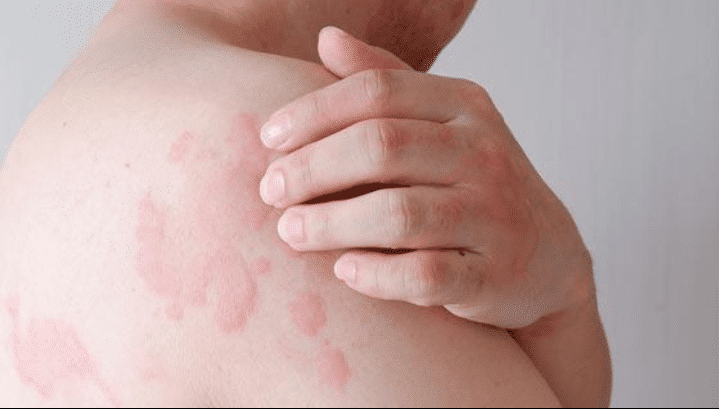
- Most common type
- Appears as red spots or bumps
- Usually starts on the trunk and spreads
2. Urticaria (Hives)
- Raised, itchy welts
- Can appear suddenly
- May be associated with swelling (angioedema)
3. Fixed Drug Eruption
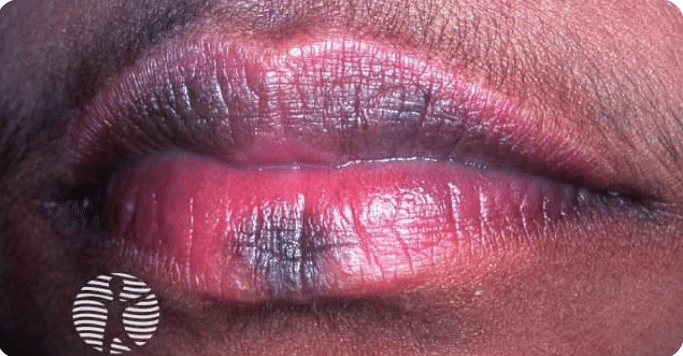
- Reappears at the same site each time
- Leaves dark pigmentation after healing
4. Severe Reactions (SJS/TEN)
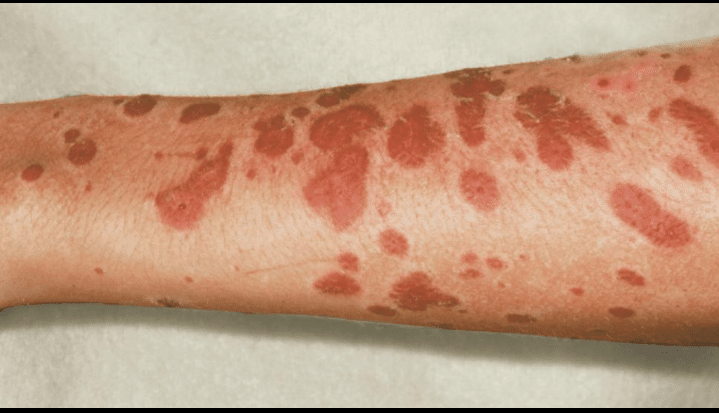
- Rare but serious
- Includes Stevens-Johnson Syndrome (SJS) and Toxic Epidermal Necrolysis (TEN)
- Causes skin peeling, ulcers, and systemic symptoms
Symptoms of Drug Eruption
- Red rash or spots
- Itching or burning sensation
- Swelling
- Blisters or peeling skin
- Fever (in severe cases)
- Mouth or eye involvement
Diagnosis
Diagnosis is mainly clinical and includes:
- Detailed drug history
- Time relationship between drug intake and rash
- Physical examination
- Laboratory tests (if needed)
- Skin biopsy in unclear cases
Treatment
1. Stop the Offending Drug
- The most important step
2. Medications
- Antihistamines (for itching)
- Corticosteroids (topical or oral)
- Moisturizers
3. Supportive Care
- Hydration
- Wound care (in severe cases)
- Hospitalization for SJS/TEN
Prevention
- Avoid known allergic drugs
- Inform your doctor about past drug reactions
- Wear a medical alert bracelet if needed
- Use medications only as prescribed
FAQ (Frequently Asked Questions)
Q1. How long does a drug eruption last?
Mild rashes usually resolve within 1–2 weeks after stopping the drug, while severe reactions may take longer.
Q2. Can drug eruptions be dangerous?
Yes, severe forms like SJS/TEN can be life-threatening and require immediate medical care.
Q3. Can I take the same drug again?
No, re-exposure may cause a more severe reaction. Always avoid the offending drug.
Q4. Are all drug rashes allergic?
No, some are non-allergic (toxic or side effects), but many involve immune reactions.
Q5. When should I see a doctor?
If you develop rash, swelling, fever, or blisters after taking a medication, seek medical help immediately.
Conclusion
Drug eruption is a common yet important medical condition that should never be ignored. While most reactions are mild and self-limiting, some can be severe and life-threatening. Early recognition, prompt discontinuation of the offending drug, and appropriate treatment are key to recovery. Always use medications responsibly and inform your healthcare provider about any previous drug reactions to ensure your safety.