Introduction
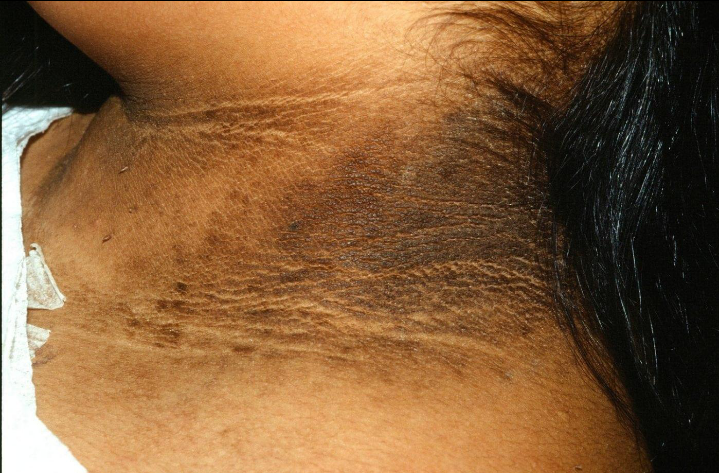
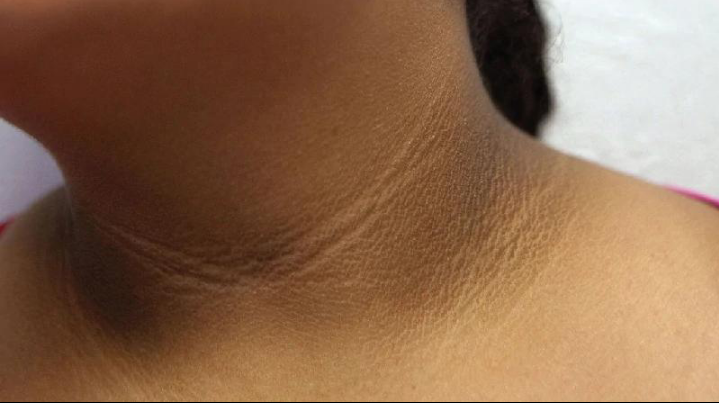
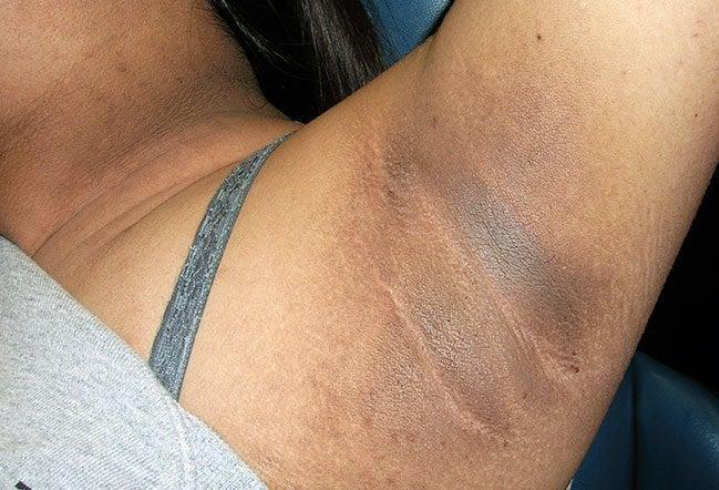
Acanthosis Nigricans (AN) is a skin condition characterized by dark, thick, and velvety patches of skin. It commonly affects body folds such as the neck, armpits, groin, elbows, and knees. While the condition itself is not contagious or harmful, it can be a sign of underlying health issues such as insulin resistance, obesity, hormonal disorders, or, in rare cases, certain cancers.
ACANTHOSIS NIGRICANS
What Causes Acanthosis Nigricans?
Several factors can contribute to the development of Acanthosis Nigricans:
- Insulin Resistance
- The most common cause.
- Often associated with obesity and prediabetes.
- Type 2 Diabetes
- Elevated insulin levels can stimulate skin cell growth.
- Hormonal Disorders
- Conditions such as polycystic ovary syndrome (PCOS), hypothyroidism, and Cushing’s syndrome.
- Genetics
- Some individuals inherit a tendency to develop the condition.
- Medications
- Corticosteroids, birth control pills, and certain hormone treatments may trigger AN.
- Cancer-Associated Acanthosis Nigricans
- Rare but can occur with stomach, liver, or other internal cancers.
Symptoms
Common signs and symptoms include:
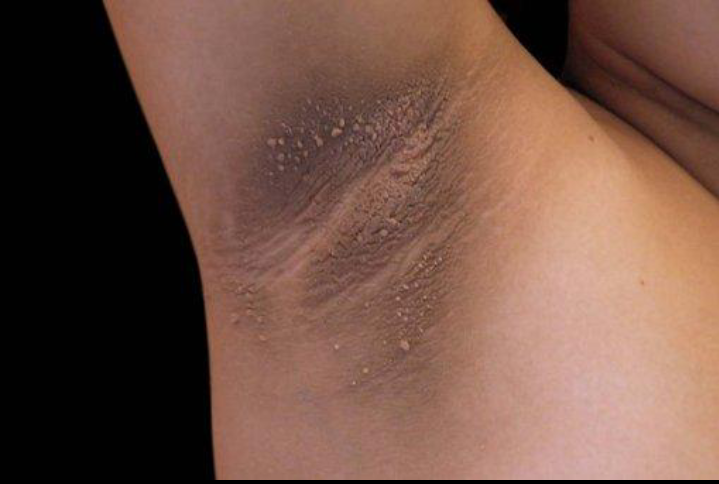
- Darkened skin patches
- Thickened, velvety texture
- Itching (occasionally)
- Mild odor in affected areas
- Gradual spread of skin discoloration
Commonly Affected Areas
- Back and sides of the neck
- Armpits
- Groin
- Elbows
- Knees
- Knuckles
Diagnosis

A healthcare provider may diagnose Acanthosis Nigricans through:
- Physical examination
- Medical history review
- Blood sugar testing
- Insulin level assessment
- Hormonal evaluation
- Skin biopsy (in uncommon cases)
Treatment
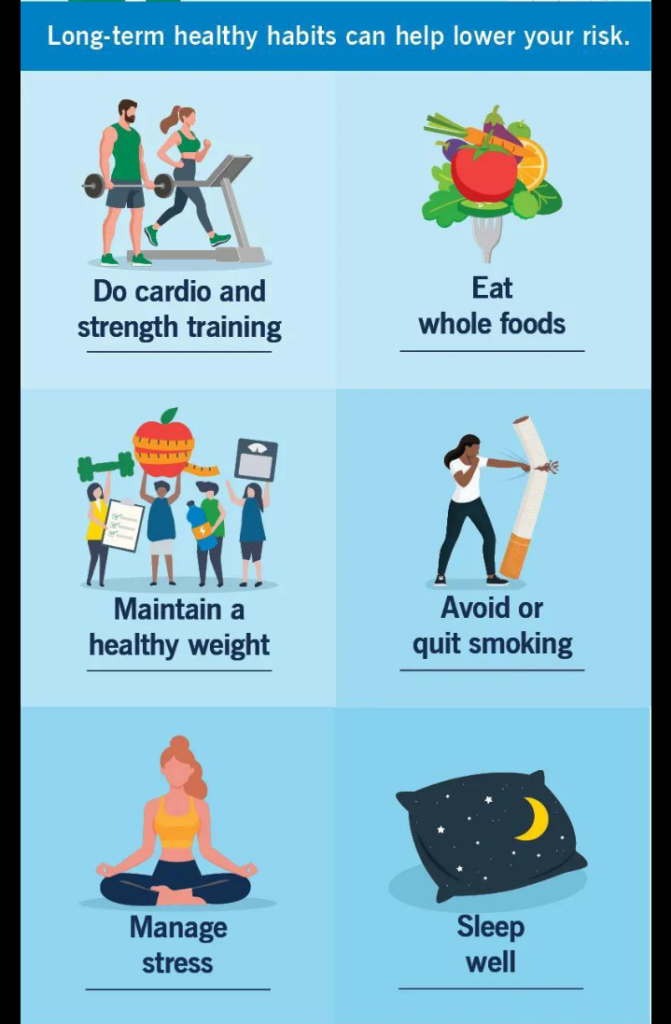
Treatment focuses on addressing the underlying cause.
Lifestyle Changes
- Weight management
- Regular exercise
- Healthy diet
- Blood sugar control
Medical Treatments
- Topical retinoids
- Salicylic acid creams
- Ammonium lactate lotions
- Prescription skin-lightening agents
Managing Underlying Conditions
- Diabetes management
- Treatment of hormonal disorders
- Medication review and adjustment
Prevention

While not all cases can be prevented, the following may reduce risk:
- Maintain a healthy body weight
- Follow a balanced diet
- Exercise regularly
- Monitor blood sugar levels
- Seek early medical advice for skin changes
Frequently Asked Questions (FAQs)
1. Is Acanthosis Nigricans contagious?
No. It cannot spread from one person to another.
2. Is it dangerous?
The condition itself is usually harmless, but it may indicate an underlying health problem that requires attention.
3. Can it be cured?
In many cases, the appearance improves when the underlying cause is treated.
4. Does Acanthosis Nigricans always mean diabetes?
No. Although it is commonly associated with insulin resistance, other causes are possible.
5. Can children develop Acanthosis Nigricans?
Yes. It can occur in children, especially those who are overweight or have insulin resistance.
6. Which doctor should I consult?
A dermatologist, endocrinologist, or primary care physician can help diagnose and manage the condition.
7. Can home remedies remove it completely?
Home remedies may improve skin appearance, but treating the underlying cause is essential.
Conclusion
Acanthosis Nigricans is a common skin condition marked by dark, velvety patches in body folds. Although it is not usually harmful, it often serves as an important indicator of insulin resistance, obesity, diabetes, or hormonal imbalances. Early diagnosis and management of the underlying cause can significantly improve both skin appearance and overall health. If you notice persistent skin darkening, consult a healthcare professional for proper evaluation and treatment.
Disclaimer: This article is for educational purposes only and should not replace professional medical advice, diagnosis, or treatment. Always consult a qualified healthcare provider for personalized medical guidance.