⭐What is Alopecia Areata?
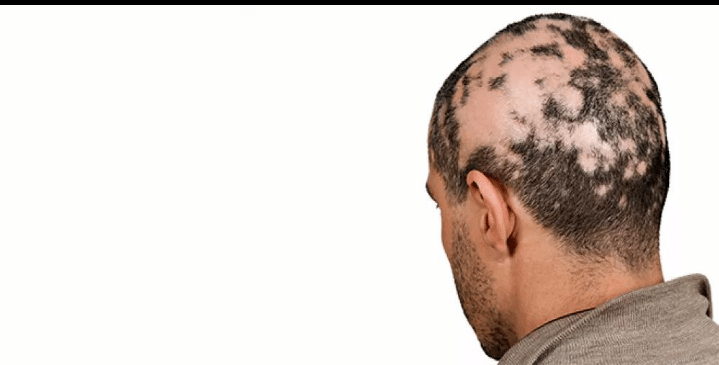
Alopecia Areata is an autoimmune condition in which the body’s immune system mistakenly attacks hair follicles, leading to hair loss. It usually appears as round or oval bald patches on the scalp, but it can also affect the beard, eyebrows, eyelashes, and other parts of the body.
⭐Alopecia Areata at a Glance
⭐Causes of Alopecia Areata
The exact cause is not fully understood, but several factors may contribute:
- Autoimmune reaction against hair follicles
- Genetic predisposition (family history)
- Stress or emotional trauma (may act as a trigger)
- Viral infections
- Other autoimmune disorders such as thyroid disease, vitiligo, or type 1 diabetes
⭐Symptoms
- Sudden appearance of one or more round bald patches
- Smooth, hairless skin in affected areas
- Hair loss on the scalp, beard, eyebrows, or eyelashes
- “Exclamation mark” hairs (short broken hairs near patches)
- Nail changes such as pitting, ridges, or roughness
⭐Types of Alopecia Areata
1. Patchy Alopecia Areata
The most common form, causing small bald patches.
2. Alopecia Totalis
Complete loss of scalp hair.
3. Alopecia Universalis
Complete loss of hair on the entire body.
4. Diffuse Alopecia Areata
Widespread thinning of hair rather than distinct patches.
⭐Diagnosis
A healthcare professional may diagnose Alopecia Areata through:
- Physical examination
- Medical history review
- Dermoscopy (scalp examination)
- Hair pull test
- Blood tests to check for associated autoimmune conditions
- Rarely, scalp biopsy
👍Treatment Options
Medical Treatments
- Corticosteroid injections
- Topical corticosteroids
- Minoxidil
- Immunotherapy
- JAK inhibitors (for selected patients)
- Other immune-modulating medications
Lifestyle Support
- Balanced diet rich in vitamins and minerals
- Stress management
- Gentle hair care practices
- Adequate sleep and hydration
⭐Foods That Support Healthy Hair

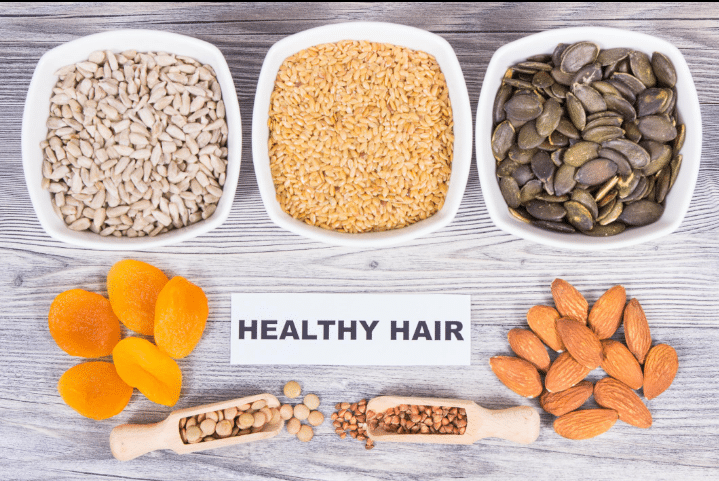



Include:
- Eggs
- Fish
- Spinach
- Nuts and seeds
- Fruits and vegetables
- Beans and legumes
- Whole grains
👍Frequently Asked Questions (FAQ)
Q1. Is Alopecia Areata contagious?
No. It is not contagious and cannot spread from person to person.
Q2. Can hair grow back?
Yes. Many people experience partial or complete regrowth, although recurrence can occur.
Q3. Does stress cause Alopecia Areata?
Stress does not directly cause it, but it may trigger or worsen the condition in some individuals.
Q4. Is Alopecia Areata permanent?
Not always. Hair may regrow naturally or with treatment, though some cases can become chronic.
Q5. Can children get Alopecia Areata?
Yes. It can occur in both children and adults.
Q6. Which vitamins are important for hair health?
Iron, Vitamin D, Biotin, Vitamin B12, Zinc, and Folate play important roles in maintaining healthy hair.
Q7. Can Alopecia Areata affect beard hair?
Yes. It may cause patchy hair loss in the beard area, often called beard alopecia.
🌺Conclusion
Alopecia Areata is an autoimmune hair-loss condition that can affect people of any age. While the sudden appearance of bald patches can be distressing, many individuals experience hair regrowth with appropriate treatment and care. Early diagnosis, medical guidance, good nutrition, and stress management can help improve outcomes and support overall hair health.
Take-Home Message 💚
“Hair loss may change appearance, but it does not define a person’s strength, confidence, or worth. Early care and patience can make a significant difference.” 🌿✨