What Is Basal Cell Carcinoma?
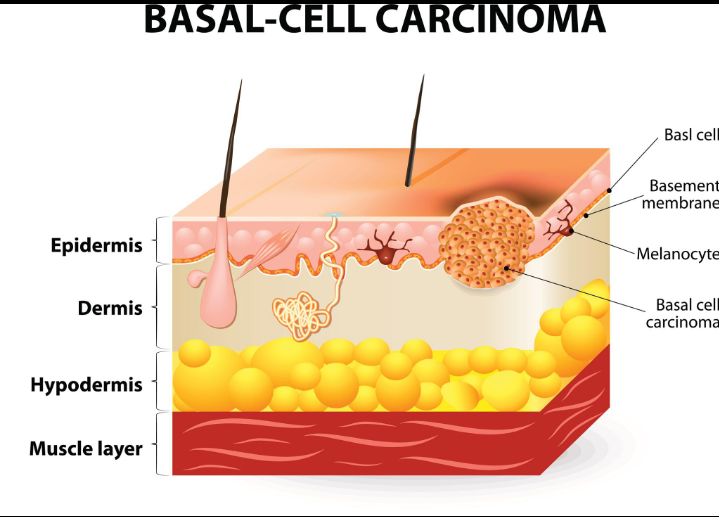
(BCC) is the most common type of skin cancer. It develops in the basal cells, which are found in the deepest layer of the outer skin (epidermis). BCC usually grows slowly and rarely spreads to other parts of the body, but if left untreated, it can damage nearby skin, tissue, and even bone.
Causes and Risk Factors
The main cause of BCC is prolonged exposure to ultraviolet (UV) radiation from the sun or tanning beds. Risk factors include:
- Excessive sun exposure over many years
- Fair skin, light-colored eyes, or blond/red hair
- Older age
- Family or personal history of skin cancer
- Weakened immune system
- Exposure to radiation or certain chemicals like arsenic
Common Symptoms
BCC may appear as:
- A shiny, pearly, or waxy bump
- A flat, flesh-colored or brown scar-like patch
- A sore that bleeds, crusts, and does not heal
- A pink growth with a slightly raised border
- Small visible blood vessels on the surface
Diagnosis
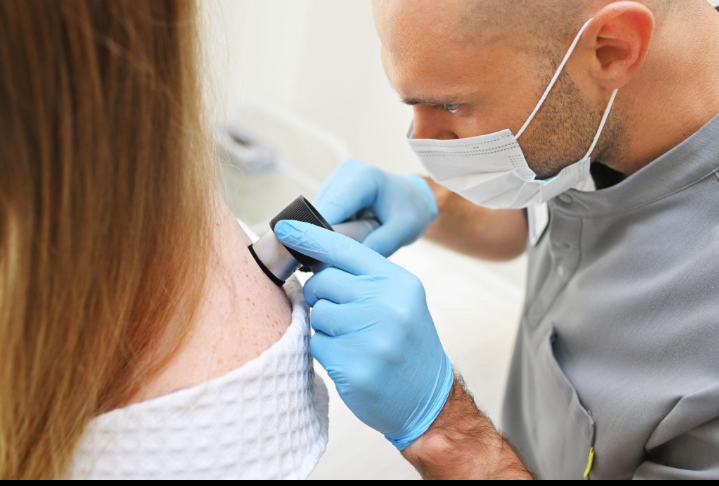
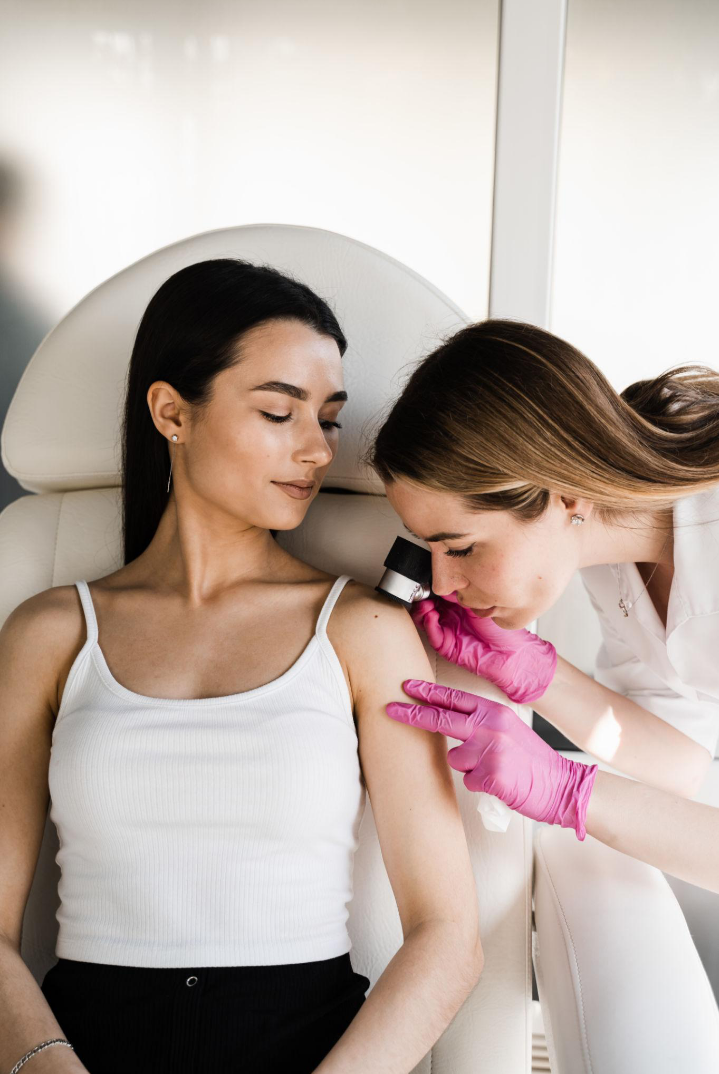
A dermatologist usually diagnoses BCC by examining the skin. If cancer is suspected, a skin biopsy is performed to confirm the diagnosis under a microscope.
Treatment Options
Treatment depends on the size, location, and type of BCC. Common treatments include:
- Surgical removal
- Mohs micrographic surgery
- Cryotherapy (freezing)
- Curettage and electrodessication
- Radiation therapy
- Topical medications for selected superficial cases
Early treatment offers an excellent chance of complete cure.
Prevention
- Use sunscreen (SPF 30 or higher) every day.
- Wear protective clothing, hats, and sunglasses.
- Avoid excessive sun exposure, especially between 10 AM and 4 PM.
- Do not use tanning beds.
- Check your skin regularly for new or changing spots.
Frequently Asked Questions (FAQ)
1. Is Basal Cell Carcinoma life-threatening?
Usually no. It rarely spreads to other organs, but untreated BCC can cause serious local damage.
2. Can BCC come back after treatment?
Yes. People who have had BCC have a higher chance of developing another one, so regular skin check-ups are important.
3. Is Basal Cell Carcinoma painful?
Most BCCs are painless, although they may bleed, itch, or become sore over time.
4. Who is most at risk?
People with fair skin, frequent sun exposure, older adults, and those with weakened immune systems are at higher risk.
5. Can BCC be prevented?
Many cases can be prevented by protecting your skin from harmful UV rays and performing regular skin self-examinations.
Conclusion
Basal Cell Carcinoma is the most common and one of the most treatable forms of skin cancer when detected early. Protecting your skin from UV radiation, recognizing suspicious skin changes, and seeking prompt medical evaluation can greatly reduce complications. Regular skin examinations and healthy sun-safety habits are the best ways to maintain healthy skin and prevent future skin cancers.