Introduction
Cutaneous hyperplasias are benign (non-cancerous) skin growths caused by an increase in the number of normal skin cells. They are common in adults and older individuals and usually do not pose a serious health risk. However, some lesions can resemble skin cancer, making proper diagnosis by a dermatologist important.
CUTANEOUS HYPERPLASIAS
What is Cutaneous Hyperplasia?
Cutaneous hyperplasia is the overgrowth of normal skin tissue due to increased cell production. Unlike cancer, these cells remain normal in appearance and do not invade surrounding tissues.
Common Types of Cutaneous Hyperplasias
1.
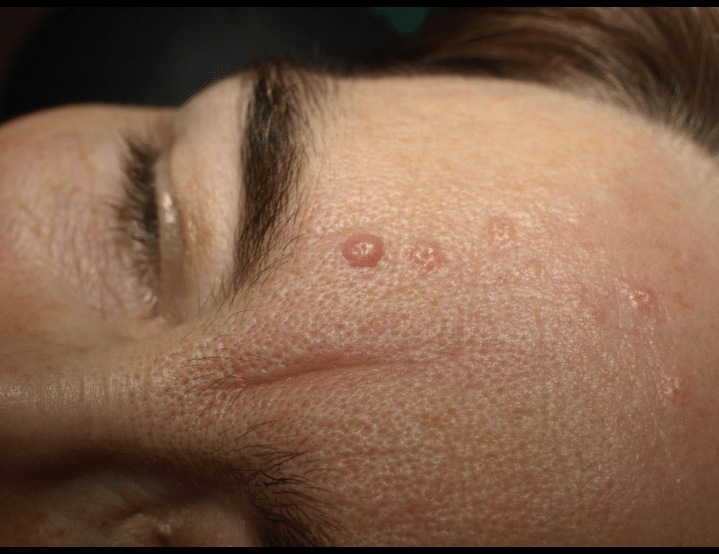
- Small, yellowish or flesh-colored bumps.
- Usually found on the forehead, cheeks, and nose.
- More common in middle-aged and older adults.
2.
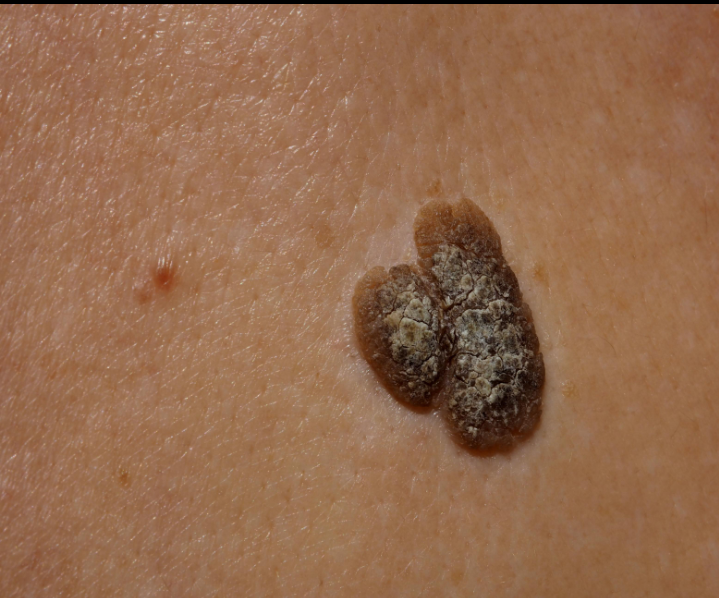
- Waxy, brown, black, or tan raised growths.
- Often appear to be “stuck on” the skin.
- Common with aging.
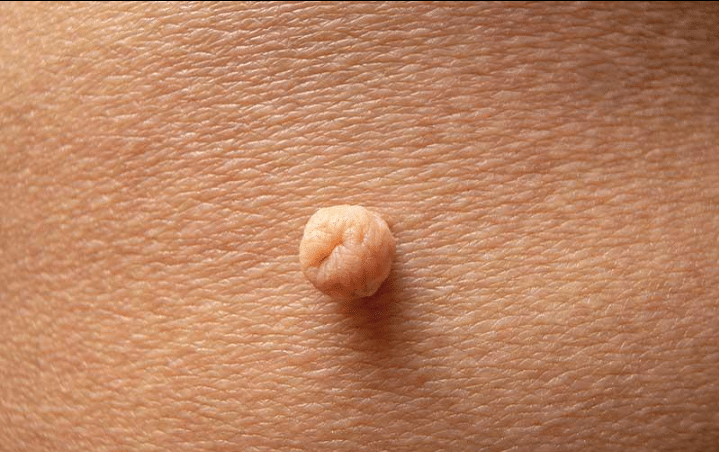
3. (Skin Tags)
- Soft, flesh-colored growths.
- Frequently occur on the neck, eyelids, armpits, and groin.
- Often develop where skin rubs together.
Causes
- Aging
- Genetic factors
- Hormonal changes
- Sun exposure
- Friction between skin folds
- Certain medications
- Oily skin (especially in sebaceous hyperplasia)
Symptoms
- Small raised skin bumps
- Smooth or rough surface
- Flesh-colored, yellow, brown, or black lesions
- Usually painless
- Occasionally itchy or irritated by clothing
Diagnosis
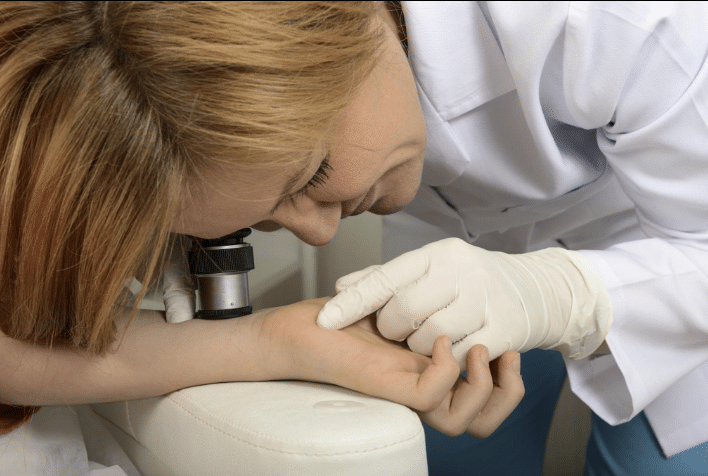
A dermatologist may diagnose cutaneous hyperplasias by:
- Physical examination
- Dermoscopy
- Skin biopsy (if cancer is suspected)
Treatment Options
Most cutaneous hyperplasias do not require treatment unless they cause cosmetic concerns or irritation.
Treatment may include:
- Cryotherapy (freezing)
- Laser therapy
- Electrocautery
- Surgical removal
- Shave excision
- Prescription creams (in selected cases)
Prevention Tips
- Protect your skin from excessive sunlight.
- Use sunscreen daily.
- Maintain healthy skin hygiene.
- Avoid unnecessary skin irritation.
- Get new or changing skin growths examined promptly.
Frequently Asked Questions (FAQs)
1. Is cutaneous hyperplasia cancer?
No. It is usually a benign condition and is not cancer.
2. Can it become cancerous?
Most cutaneous hyperplasias do not become cancerous, but some may resemble skin cancer, so medical evaluation is recommended.
3. Is treatment always necessary?
No. Treatment is generally optional unless the lesion is bothersome, irritated, or cosmetically concerning.
4. Can these growths come back?
Yes. Even after removal, new lesions may develop over time.
5. When should I see a doctor?
Consult a dermatologist if a skin growth:
- Changes rapidly in size or color
- Bleeds repeatedly
- Becomes painful
- Has irregular borders
- Looks different from your other skin lesions
Conclusion
Cutaneous hyperplasias are common, harmless skin growths that usually require no treatment. Although they are benign, it is important to have any new, changing, or unusual skin lesion evaluated by a healthcare professional to rule out skin cancer. Early assessment provides reassurance and ensures appropriate care when needed.