Introduction
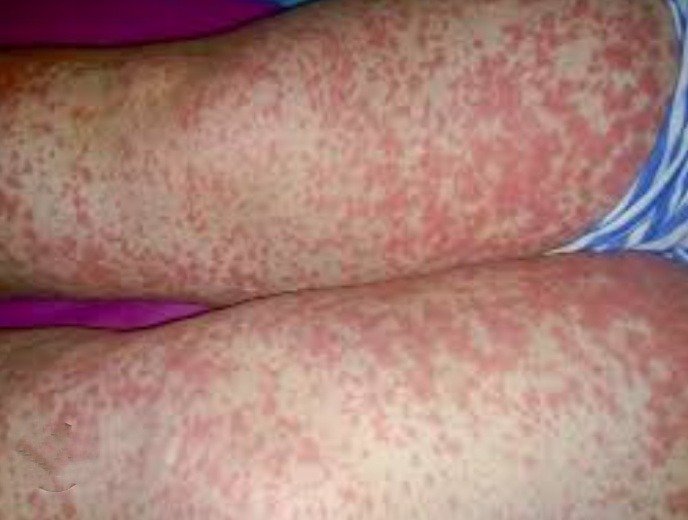
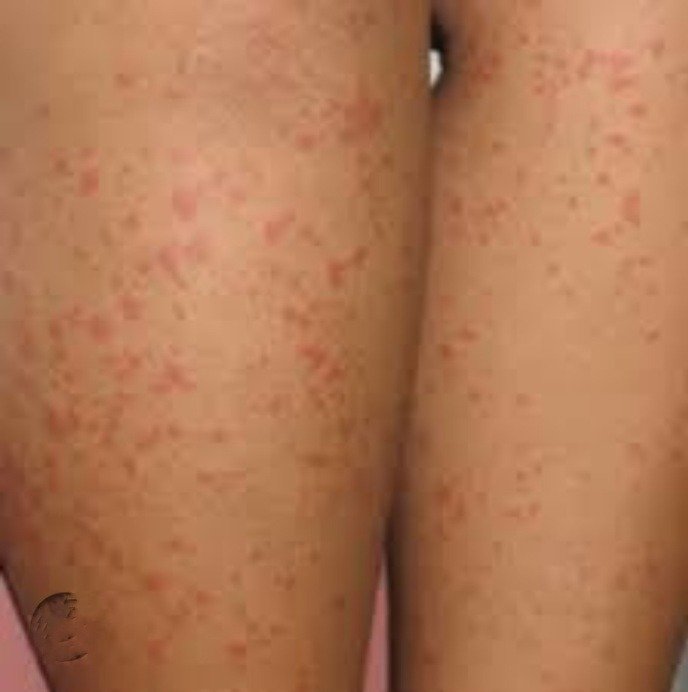
A vascular rash results from abnormalities of blood vessels or bleeding into the skin. These rashes may appear as petechiae, purpura, ecchymoses, livedo reticularis, or palpable purpura. Some vascular rashes are harmless, while others indicate serious systemic diseases requiring urgent evaluation.
VASCULAR RASH
Differential Diagnosis
1. Cutaneous Small Vessel Vasculitis (Leukocytoclastic Vasculitis)
- Palpable purpura, especially on the lower legs
- May be triggered by infections, medications, or autoimmune diseases
- Skin biopsy confirms the diagnosis
2. Henoch–Schönlein Purpura (IgA Vasculitis)
- Common in children
- Purpuric rash, abdominal pain, joint pain, and kidney involvement
- Usually affects the legs and buttocks
3. Immune Thrombocytopenic Purpura (ITP)
- Petechiae and bruising due to low platelet count
- Mucosal bleeding may occur
- CBC shows thrombocytopenia
4. Meningococcemia
- Fever with rapidly spreading petechiae or purpura
- Medical emergency requiring immediate treatment
5. Disseminated Intravascular Coagulation (DIC)
- Widespread bleeding and purpura
- Associated with severe infections, trauma, or malignancy
6. Livedo Reticularis
- Net-like bluish discoloration of the skin
- May be associated with autoimmune or vascular disorders
7. Senile (Actinic) Purpura
- Common in older adults
- Easy bruising on sun-exposed skin
- Benign condition
8. Drug-Induced Vasculitis
- Triggered by medications such as antibiotics or NSAIDs
- Improves after discontinuation of the offending drug
9. Septic Emboli
- Painful purpuric lesions due to infected emboli
- Often associated with infective endocarditis
10. Connective Tissue Diseases
- Conditions such as systemic lupus erythematosus (SLE) and rheumatoid vasculitis may present with vascular rashes.
Investigations
- Complete blood count (CBC)
- Platelet count
- ESR and CRP
- Coagulation profile (PT/INR, aPTT)
- Urinalysis
- ANA, ANCA, complement levels
- Skin biopsy with direct immunofluorescence
- Blood cultures (if infection is suspected)
Treatment
- Treat the underlying cause.
- Mild vasculitis: Rest, leg elevation, and symptomatic care.
- Corticosteroids or immunosuppressive drugs for immune-mediated vasculitis.
- Antibiotics for bacterial infections.
- Platelet replacement or blood products when indicated.
- Emergency treatment for meningococcemia or DIC.
Frequently Asked Questions (FAQs)
1. What is a vascular rash?
A vascular rash is a skin eruption caused by inflammation, damage, or bleeding of blood vessels.
2. Is every vascular rash dangerous?
No. Some are harmless, while others can indicate serious systemic disease.
3. What tests help diagnose a vascular rash?
Blood tests, coagulation studies, urinalysis, and a skin biopsy are commonly used.
4. When should I seek urgent medical care?
Immediately if the rash is accompanied by fever, severe pain, confusion, or rapidly spreading purpura.
5. Can vascular rashes be cured?
Many improve once the underlying cause is identified and treated.
Conclusion
A vascular rash is a clinical sign that ranges from benign bruising to life-threatening systemic illness. Careful history, physical examination, laboratory evaluation, and skin biopsy when needed are essential for accurate diagnosis and timely treatment. Early recognition of serious causes can significantly improve outcomes.