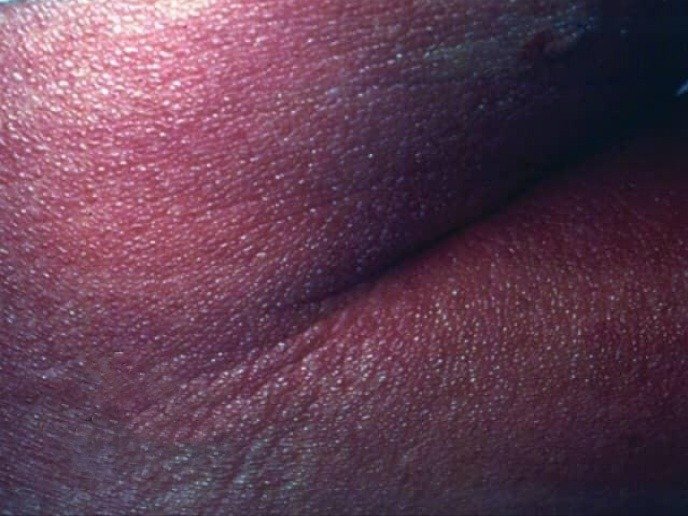
What is Erythroderma?
Erythroderma, also known as exfoliative dermatitis, is a severe skin condition characterized by widespread redness, inflammation, and scaling affecting more than 90% of the body’s surface area. It can be life-threatening if not treated promptly because it disrupts the skin’s ability to regulate temperature, fluids, and protect against infections.
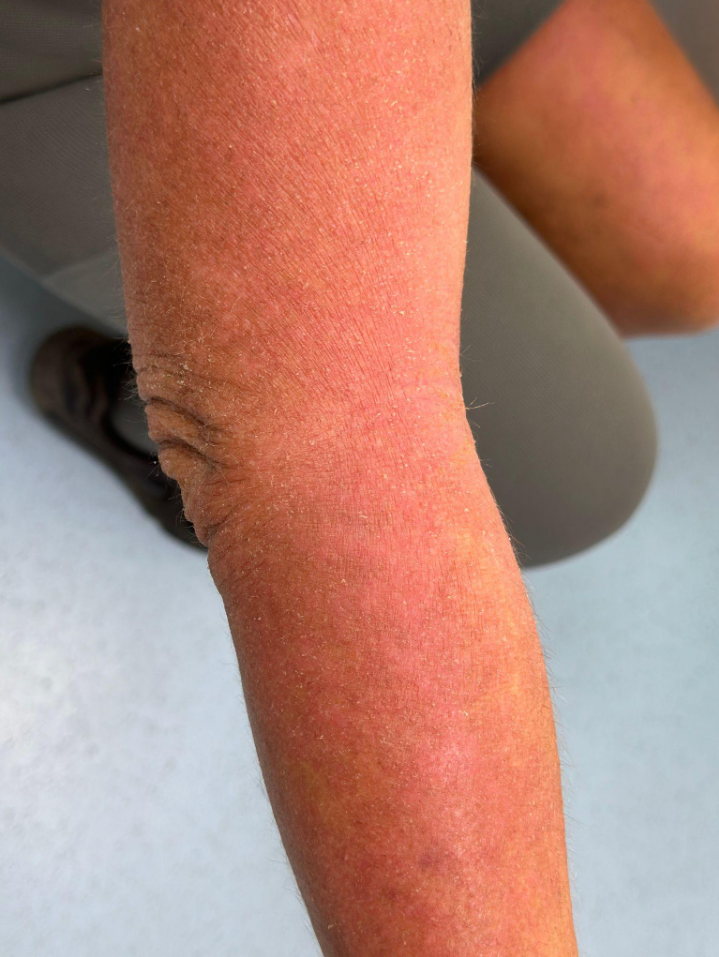
ERYTHRODERMA
Erythroderma: A Visual Overview
Causes of Erythroderma
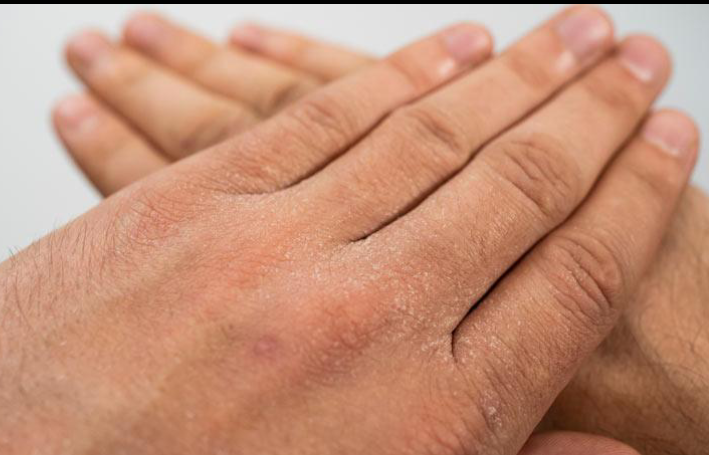
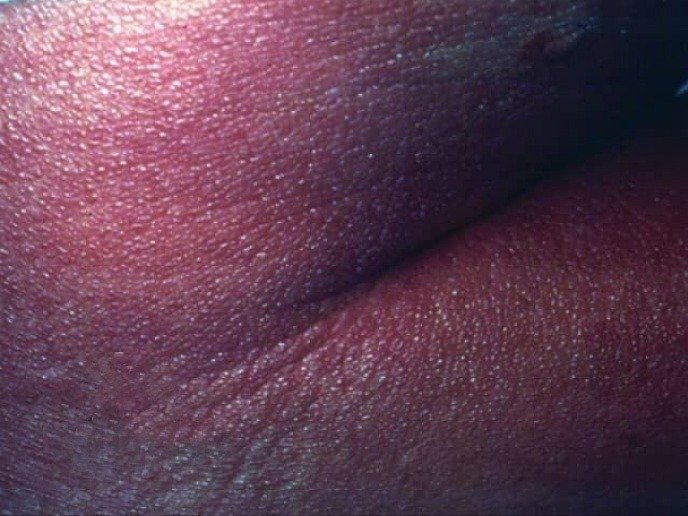
Erythroderma may develop due to several underlying conditions, including:
- Psoriasis (most common cause)
- Eczema (Atopic Dermatitis)
- Drug Reactions (antibiotics, anticonvulsants, etc.)
- Cutaneous T-cell lymphoma
- Contact dermatitis
- Autoimmune skin diseases
- In some cases, the cause remains unknown (idiopathic).
Symptoms of Erythroderma
Common symptoms include:
- Generalized redness covering most of the body
- Extensive skin peeling and scaling
- Severe itching
- Burning sensation
- Swelling of the skin
- Fever and chills
- Hair loss
- Thickened skin on palms and soles
- Enlarged lymph nodes
- Fatigue and weakness
Diagnosis
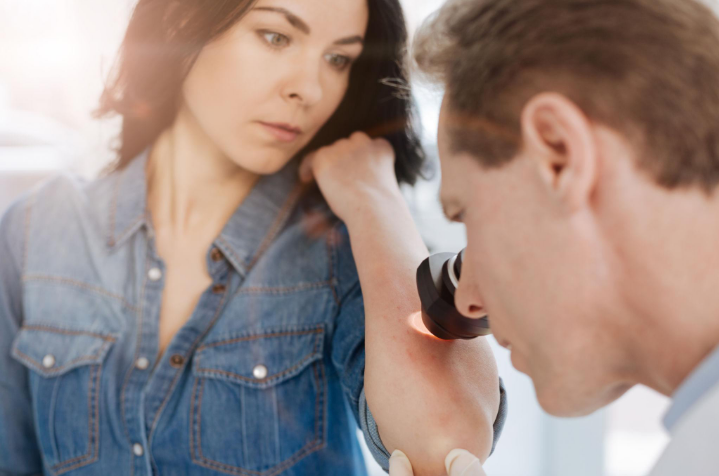
A dermatologist may diagnose erythroderma through:
- Detailed medical history
- Physical examination
- Skin biopsy
- Blood tests
- Allergy testing if a drug reaction is suspected
Treatment
Treatment depends on the underlying cause and severity.
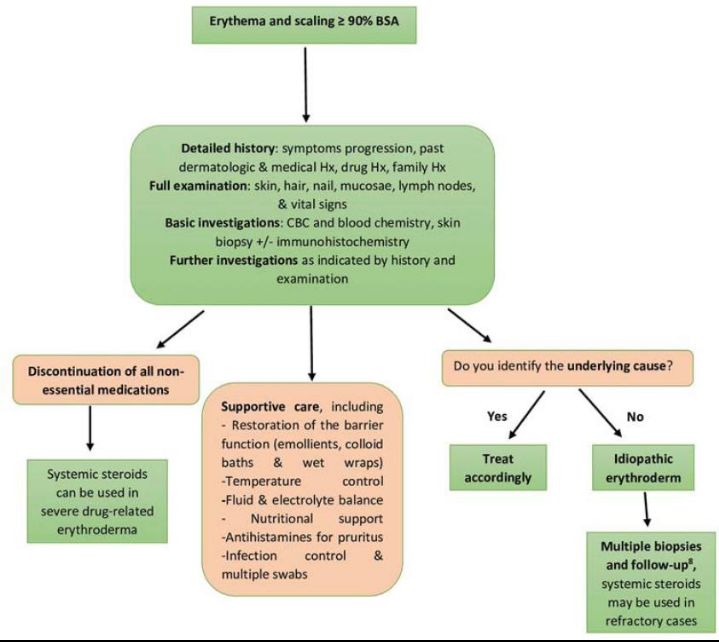
General Management
- Hospitalization in severe cases
- Fluid and electrolyte replacement
- Moisturizers and emollients
- Wet dressings
- Nutritional support
Medications
- Topical corticosteroids
- Oral corticosteroids (when indicated)
- Antihistamines for itching
- Immunosuppressive medications
- Treatment of underlying disease
- Antibiotics if secondary infection develops
Possible Complications
- Skin infections
- Dehydration
- Protein loss
- Hypothermia
- Heart failure (rare)
- Sepsis in severe untreated cases
Prevention
While not all cases can be prevented, the following measures may help:
- Proper management of chronic skin diseases
- Avoidance of known allergens
- Careful use of medications
- Regular dermatology follow-up
- Early treatment of worsening skin conditions
Frequently Asked Questions (FAQ)
1. Is erythroderma contagious?
No, erythroderma itself is not contagious.
2. Is erythroderma an emergency?
Yes. Extensive skin involvement can lead to serious complications and often requires urgent medical care.
3. Can psoriasis cause erythroderma?
Yes. Severe or uncontrolled psoriasis is one of the most common causes.
4. How is erythroderma diagnosed?
Diagnosis is based on clinical examination, medical history, laboratory tests, and sometimes a skin biopsy.
5. Can erythroderma be cured?
Many cases improve significantly once the underlying cause is identified and treated.
6. Who is at higher risk?
People with severe psoriasis, eczema, drug allergies, or certain cancers affecting the skin are at increased risk.
Conclusion
Erythroderma is a serious dermatological condition characterized by widespread redness, scaling, and inflammation of the skin. Early diagnosis and prompt treatment are essential to prevent complications such as infection, dehydration, and temperature imbalance. Identifying and treating the underlying cause can greatly improve outcomes and quality of life. Regular follow-up with a dermatologist is crucial for long-term management.🌿🥰