
Introduction
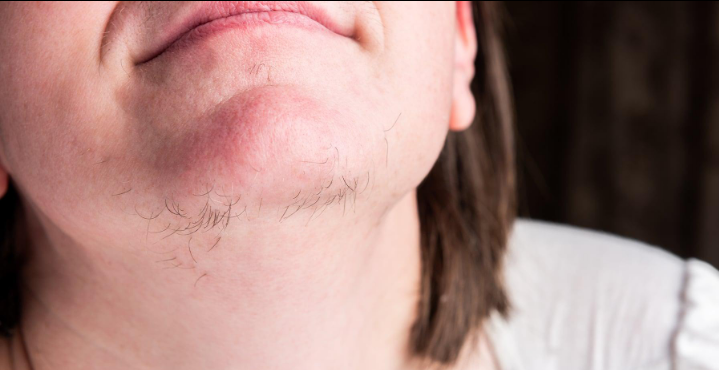
Hirsutism is a condition in which women develop excessive, coarse, dark hair in areas where men typically grow hair, such as the face, chest, back, abdomen, and chin. It is often caused by increased levels of male hormones (androgens) or increased sensitivity of hair follicles to these hormones. While hirsutism is not usually dangerous, it can affect self-esteem and quality of life.
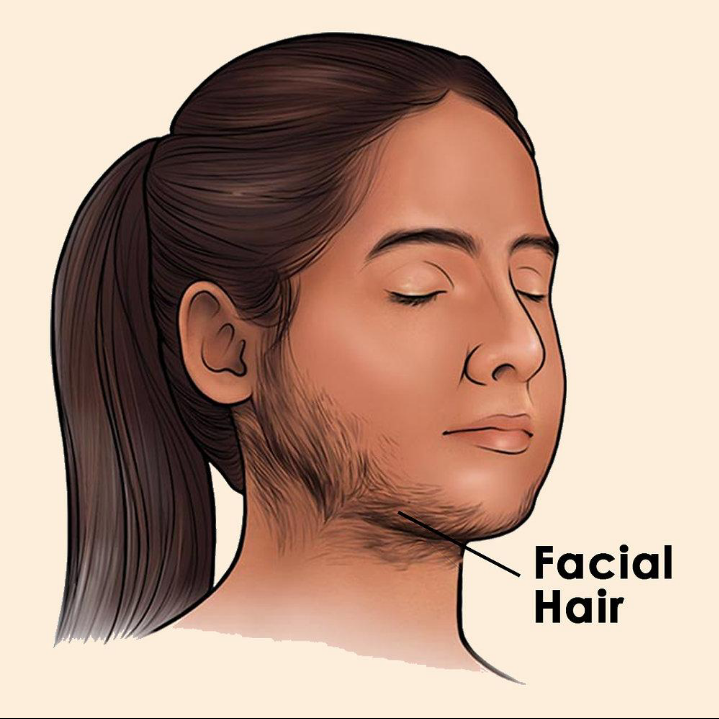
Hirsutism
Causes of Hirsutism
The common causes include:
- (PCOS) – The most common cause of hirsutism.
- Adrenal gland disorders – Conditions affecting hormone production.
- Cushing’s syndrome – Excess cortisol production.
- Certain medications – Such as anabolic steroids and some hormone therapies.
- Genetic factors – Family history can increase the risk.
- Idiopathic hirsutism – No identifiable cause despite normal hormone levels.
Symptoms
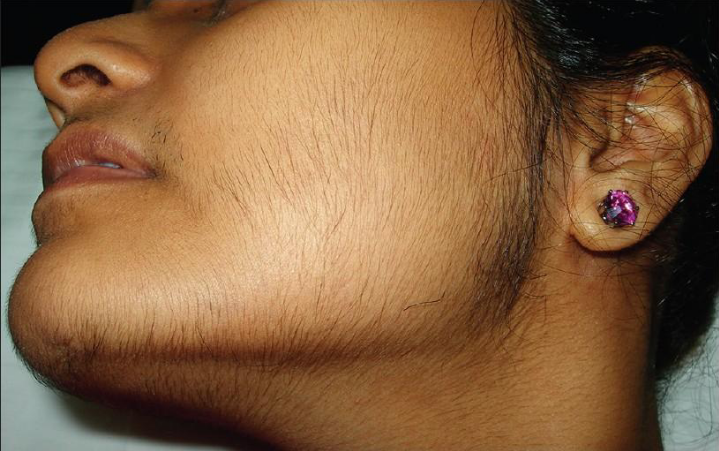
- Excessive hair growth on the face, chest, abdomen, back, and thighs.
- Thick, dark hair in a male-pattern distribution.
- Acne or oily skin.
- Irregular menstrual periods.
- Deepening of the voice in severe cases.
- Hair thinning on the scalp.
Diagnosis
A healthcare provider may diagnose hirsutism through:
- Medical history and physical examination.
- Hormone level blood tests.
- Pelvic ultrasound to check for PCOS.
- Imaging studies if adrenal or ovarian tumors are suspected.
Treatment Options
Lifestyle Changes
- Weight management for women with PCOS.
- Regular exercise and a balanced diet.
Hair Removal Methods
- Shaving
- Waxing
- Threading
- Laser hair removal
- Electrolysis
Medications
- Oral contraceptive pills
- Anti-androgen medications
- Topical creams prescribed by a doctor
Prevention
- Maintain a healthy weight.
- Manage underlying hormonal disorders.
- Follow prescribed treatments regularly.
- Seek medical evaluation if excessive hair growth develops suddenly.
Frequently Asked Questions (FAQ)
1. Is hirsutism a disease?
No. Hirsutism is usually a symptom of an underlying hormonal condition rather than a disease itself.
2. Can PCOS cause hirsutism?
Yes. PCOS is the most common cause of hirsutism in women.
3. Is hirsutism permanent?
It depends on the cause. Medical treatment and hair removal methods can significantly reduce hair growth.
4. Can weight loss help?
Yes. Weight loss may reduce androgen levels and improve symptoms, especially in women with PCOS.
5. Is laser hair removal effective?
Yes. Laser treatment can provide long-term reduction of unwanted hair growth.
6. When should I see a doctor?
Consult a doctor if excessive hair growth appears suddenly, worsens rapidly, or is accompanied by irregular periods or other hormonal symptoms.
Conclusion
Hirsutism is a common condition characterized by excessive hair growth in women due to hormonal imbalances, genetics, or underlying medical conditions. Early diagnosis and appropriate treatment can help manage symptoms effectively and improve confidence and quality of life. If you notice unusual hair growth, consulting a healthcare professional can help identify the cause and determine the best treatment plan.