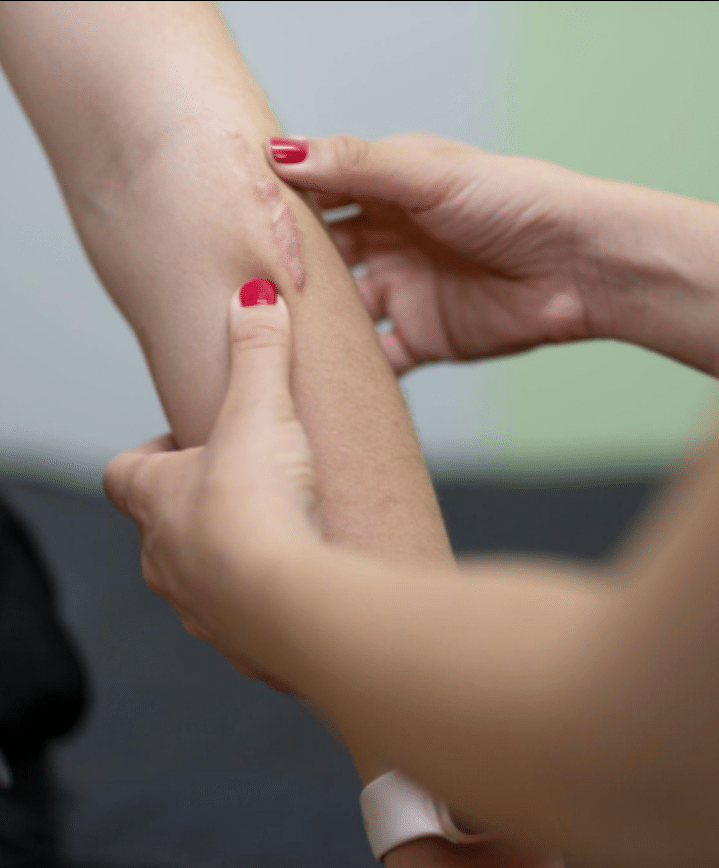
What Is a Keloid?
A keloid is an overgrowth of scar tissue that develops after the skin has healed from an injury. Unlike normal scars, keloids continue to grow beyond the original wound and do not shrink on their own. Although they are not cancerous, they can cause discomfort and cosmetic concerns.
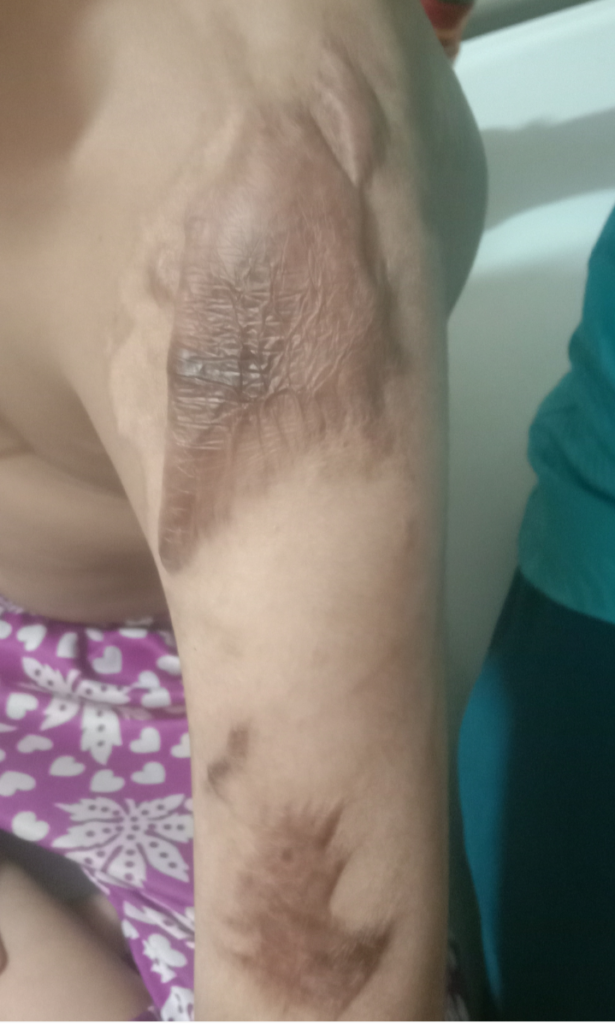
KELOID
Causes of Keloids
Keloids may develop after:
- Cuts, burns, or surgical wounds
- Acne scars
- Ear or body piercings
- Vaccination or injection sites
- Insect bites
- Skin infections
Some people have a genetic tendency to develop keloids.
Symptoms
- Raised, thick, shiny scar
- Pink, red, brown, or darker than the surrounding skin
- Itching or tenderness
- Pain in some cases
- Gradual increase in size over time
Risk Factors
- Family history of keloids
- Darker skin tones
- Age between 10 and 30 years
- Previous history of keloid formation
Diagnosis
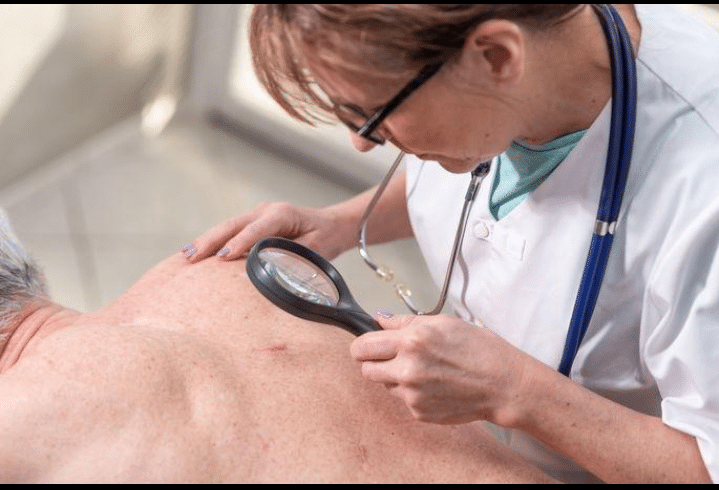
A dermatologist usually diagnoses a keloid through a physical examination. Rarely, a biopsy may be performed to rule out other skin conditions.
Treatment Options
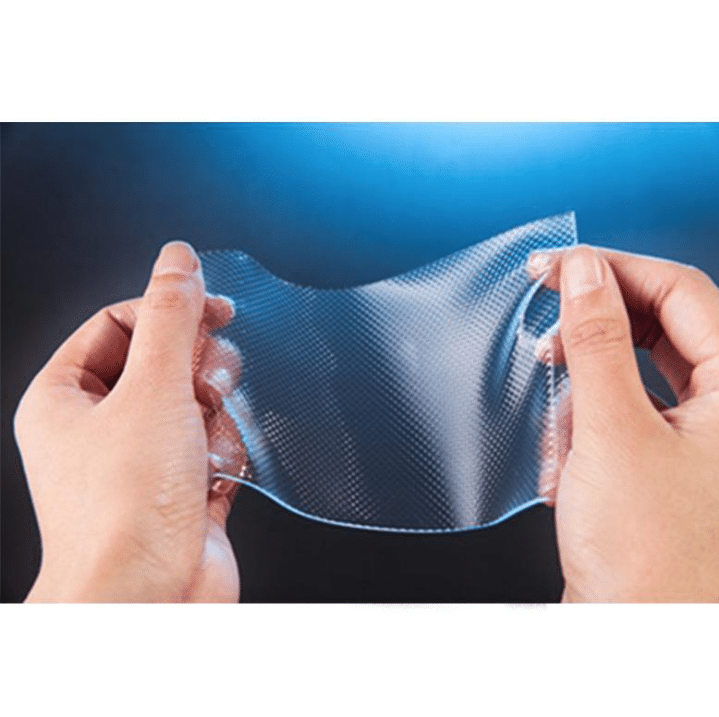
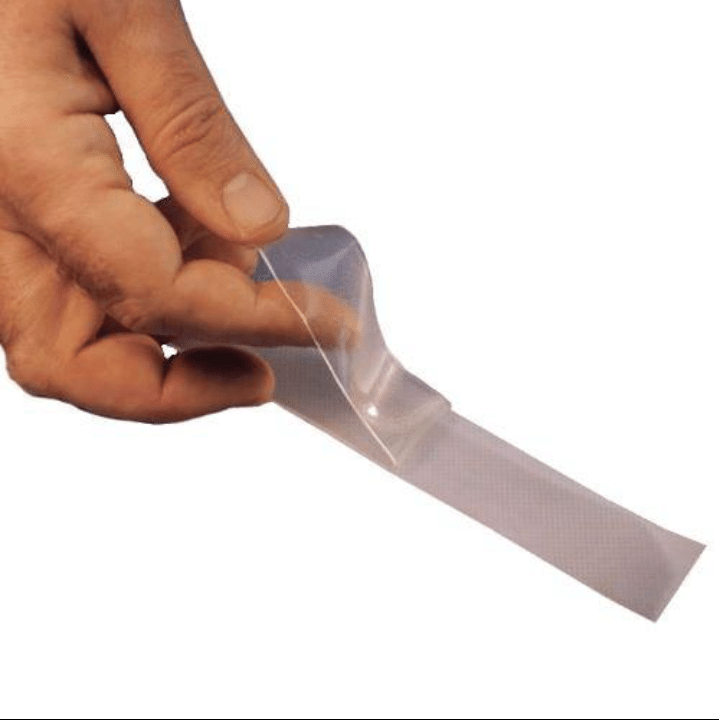
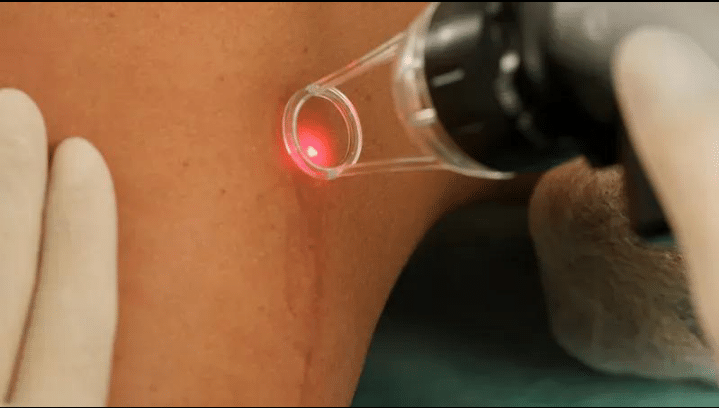
Treatment may include:
- Corticosteroid injections to reduce size and itching
- Silicone gel sheets or silicone gel
- Cryotherapy (freezing therapy) for smaller keloids
- Laser therapy to improve appearance
- Surgical removal, often combined with steroid injections or radiation to reduce recurrence
- Pressure therapy in selected cases
Prevention Tips
- Avoid unnecessary piercings if you are prone to keloids.
- Treat wounds promptly and keep them clean.
- Use silicone sheets after surgery if recommended by your doctor.
- Avoid unnecessary trauma to the skin.
- Seek medical advice if a scar starts growing beyond the wound.
Frequently Asked Questions (FAQ)
1. Are keloids dangerous?
No. Keloids are benign (non-cancerous), but they can be itchy, painful, or cosmetically bothersome.
2. Can a keloid disappear naturally?
No. Keloids usually do not go away without treatment.
3. Can keloids come back after treatment?
Yes. They have a high recurrence rate, especially if removed surgically without additional therapy.
4. Are keloids contagious?
No. They cannot spread from one person to another.
5. Can I prevent keloids?
If you are prone to keloids, avoid unnecessary skin injuries and follow your doctor’s wound-care instructions.
Conclusion
Keloids are an abnormal form of scar tissue that can develop after even minor skin injuries. Early diagnosis and appropriate treatment can improve symptoms and appearance. If you notice a scar growing beyond the original wound, consult a dermatologist promptly for the best treatment options.