Introduction
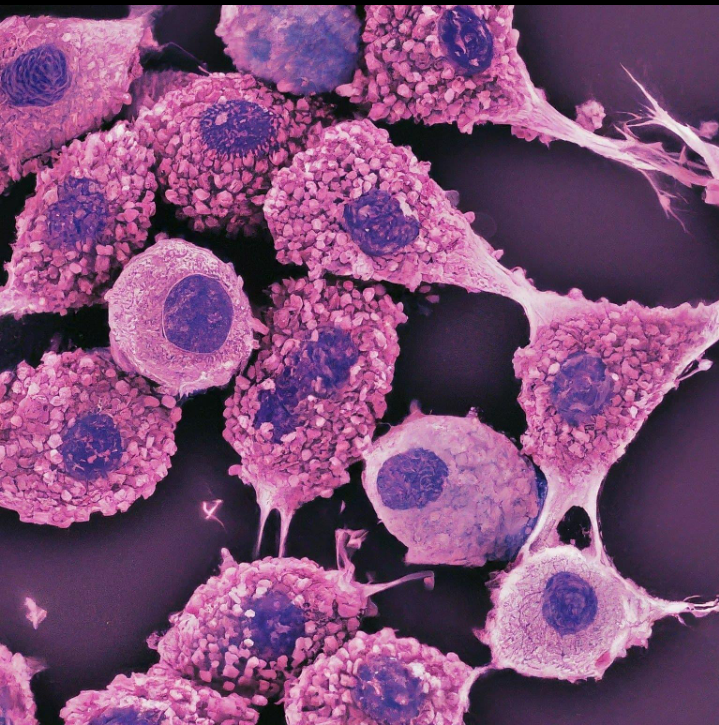
A malignant neoplasm, commonly known as cancer, is an abnormal growth of cells that can invade nearby tissues and spread (metastasize) to other parts of the body through the blood or lymphatic system. Early detection and timely treatment greatly improve the chances of successful recovery.
MALIGNANT NEOPLASMS
What Is a Malignant Neoplasm?
A malignant neoplasm develops when normal cells undergo genetic changes, causing them to grow uncontrollably. Unlike benign tumors, malignant tumors invade surrounding tissues and may spread to distant organs.
Common examples include:
- Breast cancer
- Lung cancer
- Colon cancer
- Prostate cancer
- Skin cancer (melanoma)
- Blood cancers such as leukemia and lymphoma
Common Symptoms
Symptoms vary depending on the type and location of cancer but may include:
- Unexplained weight loss
- Persistent fatigue
- A lump or swelling
- Persistent cough or hoarseness
- Changes in bowel or bladder habits
- Unusual bleeding or discharge
- Persistent pain
- Changes in a mole or skin lesion
Risk Factors
Several factors can increase the risk of developing malignant neoplasms:
- Tobacco use
- Excessive alcohol consumption
- Family history of cancer
- Radiation exposure
- Certain viral infections (such as HPV and hepatitis B/C)
- Obesity and physical inactivity
- Unhealthy diet
- Environmental pollutants
Diagnosis

Doctors may use one or more of the following tests:
- Physical examination
- Blood tests
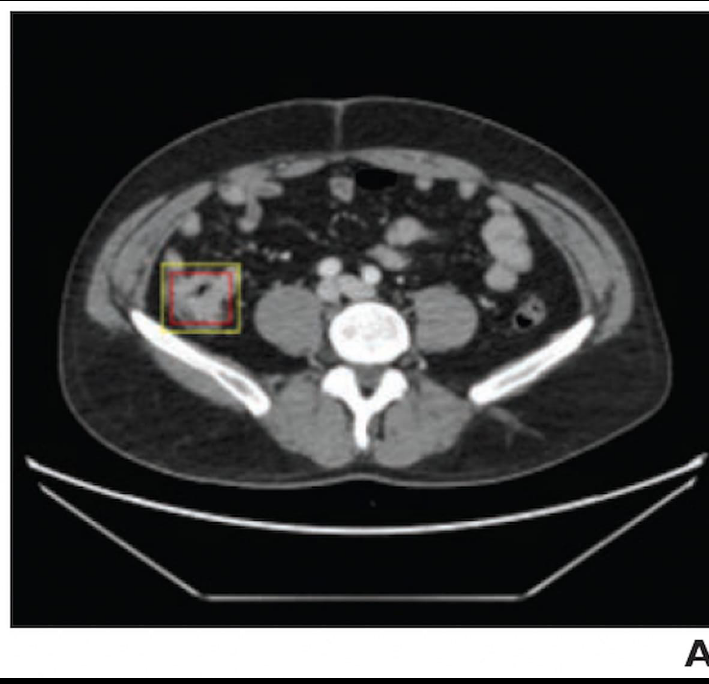
- Imaging (X-ray, CT scan, MRI, PET scan)
- Endoscopy
- Biopsy (the gold standard for diagnosis)
- Genetic or molecular testing
Treatment Options

Treatment depends on the type and stage of cancer and may include:
- Surgery
- Chemotherapy
- Radiation therapy
- Immunotherapy
- Targeted therapy
- Hormone therapy
- Stem cell or bone marrow transplant (for certain blood cancers)
Prevention Tips


Although not all cancers can be prevented, you can lower your risk by:
- Avoiding tobacco
- Maintaining a healthy weight
- Eating fruits and vegetables daily
- Exercising regularly
- Limiting alcohol
- Protecting your skin from excessive sunlight
- Getting recommended vaccinations (HPV, Hepatitis B)
- Attending regular health screenings
Frequently Asked Questions (FAQ)
1. Is every tumor cancerous?
No. Benign tumors are non-cancerous, while malignant tumors are cancerous and can spread.
2. Can malignant neoplasms be cured?
Many cancers can be cured if diagnosed early. Others can often be managed effectively with modern treatments.
3. What causes cancer?
Cancer develops due to genetic mutations influenced by lifestyle, environmental exposures, infections, and inherited factors.
4. Can cancer spread?
Yes. Malignant cells can spread to other organs through the blood or lymphatic system, a process called metastasis.
5. Is cancer hereditary?
Some cancers have inherited genetic risk, but most are not directly inherited.
6. How often should I get screened?
Screening recommendations depend on your age, sex, family history, and risk factors. Consult your healthcare provider for personalized advice.
7. Can a healthy lifestyle reduce cancer risk?
Yes. Healthy habits significantly reduce the risk of several common cancers.
Conclusion
Malignant neoplasms are serious diseases, but advances in medical science have improved diagnosis, treatment, and survival rates. Recognizing warning signs, following a healthy lifestyle, and undergoing regular health check-ups can make a significant difference. Awareness, early detection, and timely medical care remain the strongest tools in the fight against cancer.

Disclaimer: This blog is for educational purposes only and should not replace professional medical advice. If you experience persistent or concerning symptoms, consult a qualified healthcare professional promptly.