Introduction
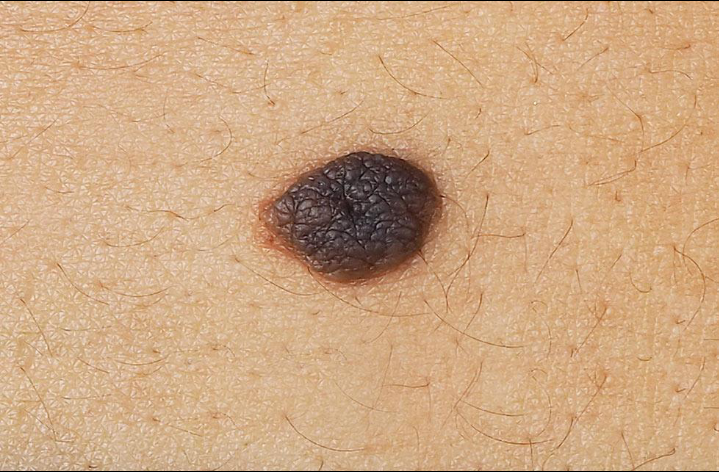
A Melanocytic Nevus, commonly known as a mole, is a benign (non-cancerous) growth of pigment-producing cells called melanocytes. These moles can appear anywhere on the skin and vary in color, size, and shape. Most melanocytic nevi are harmless, but some may require monitoring for changes that could indicate skin cancer.
What Causes Melanocytic Nevus?
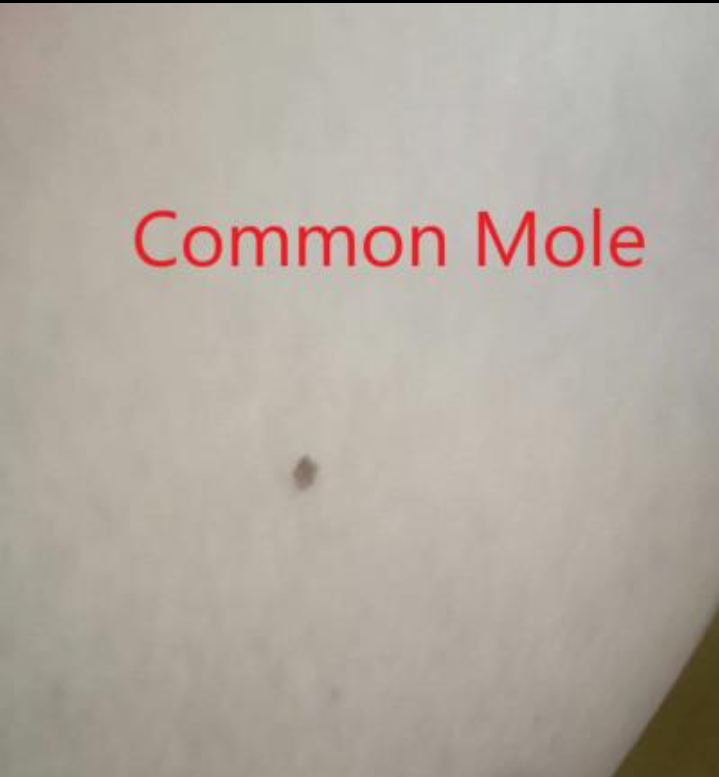
Melanocytic nevi develop when melanocytes grow in clusters instead of spreading evenly throughout the skin. Common factors include:
- Genetic predisposition
- Sun exposure (UV radiation)
- Hormonal changes during puberty or pregnancy
- Aging and natural skin development
Types of Melanocytic Nevi
1. Junctional Nevus
- Flat or slightly raised
- Usually brown or black
- Found at the junction of the epidermis and dermis
2. Compound Nevus
- Slightly raised
- Light to dark brown
- Contains melanocytes in both skin layers
3. Intradermal Nevus
- Raised, flesh-colored, or light brown
- Common in adults
- Usually harmless
4. Congenital Melanocytic Nevus
- Present at birth
- Varies in size
- Large lesions may have a slightly increased melanoma risk
Symptoms
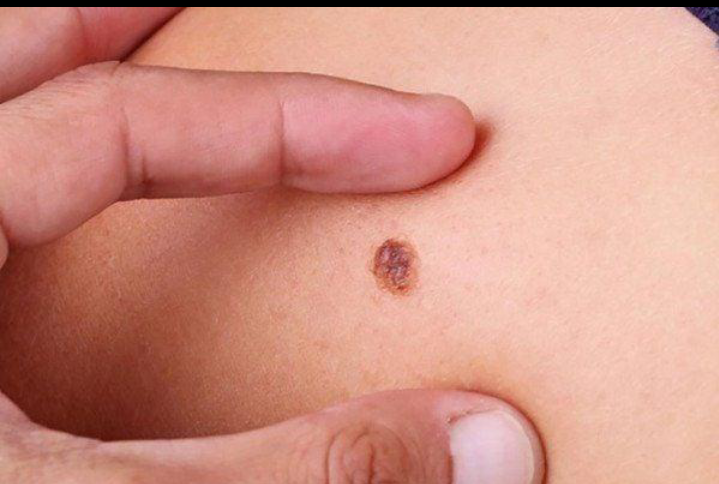
Most melanocytic nevi:
- Are painless
- Have a round or oval shape
- Possess smooth, regular borders
- Remain stable over time
Consult a dermatologist if you notice:
- Rapid growth
- Color changes
- Irregular borders
- Bleeding or itching
- New asymmetry
Diagnosis
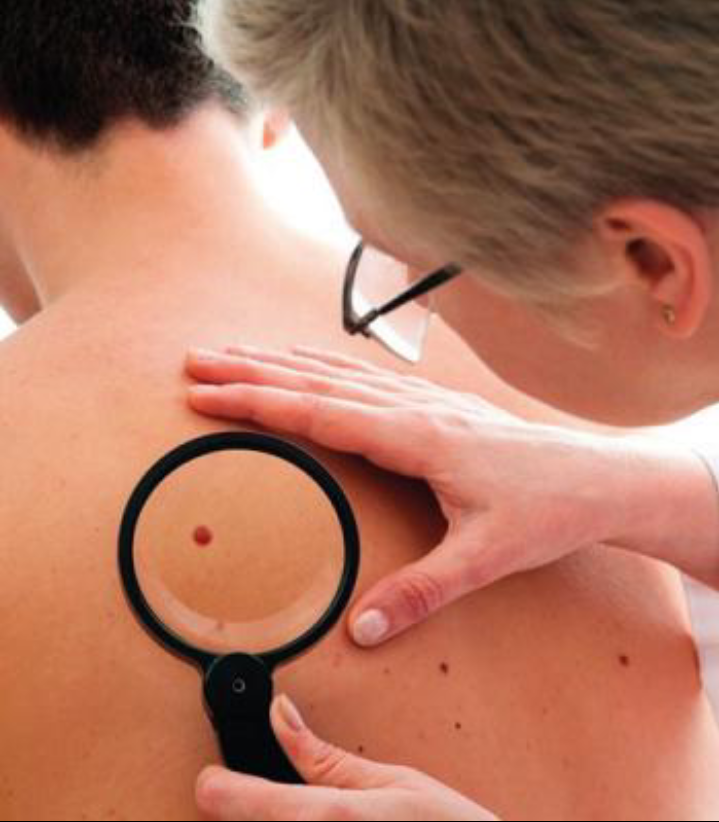
A dermatologist may diagnose a nevus through:
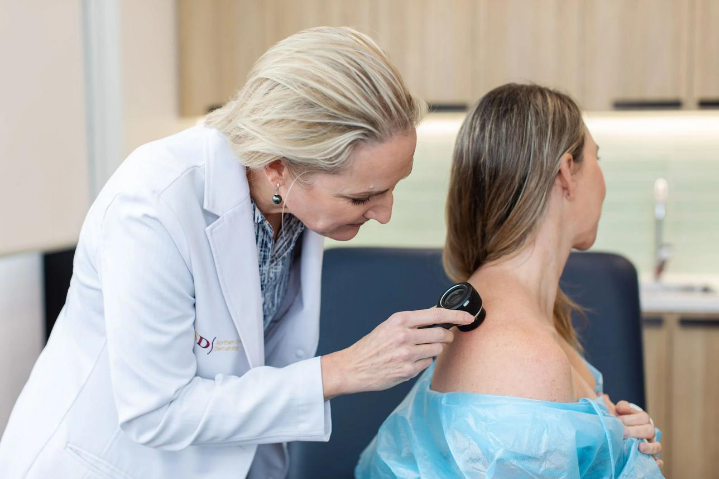
- Physical skin examination
- Dermoscopy
- Skin biopsy (if suspicious changes are present)
Treatment
Most melanocytic nevi do not require treatment.
Treatment options include:
- Observation and regular monitoring
- Surgical excision
- Shave removal
- Laser treatment (selected cases)
Prevention and Skin Care Tips
✔ Use sunscreen daily (SPF 30 or higher)
✔ Avoid excessive sun exposure
✔ Wear protective clothing and hats
✔ Perform monthly skin self-examinations
✔ Schedule regular dermatology checkups
Frequently Asked Questions (FAQ)
Q1. Is a melanocytic nevus dangerous?
No. Most melanocytic nevi are benign and do not cause health problems.
Q2. Can a mole turn into skin cancer?
Most moles remain harmless, but some may develop changes that require medical evaluation.
Q3. Should all moles be removed?
No. Removal is usually recommended only for cosmetic reasons or if suspicious changes occur.
Q4. Are melanocytic nevi hereditary?
Yes. Genetics plays an important role in determining the number and appearance of moles.
Q5. When should I see a doctor?
Seek medical advice if a mole changes in size, color, shape, or starts bleeding, itching, or becoming painful.
Q6. Can children have melanocytic nevi?
Yes. Many moles appear during childhood and adolescence.
Importance of Early Detection
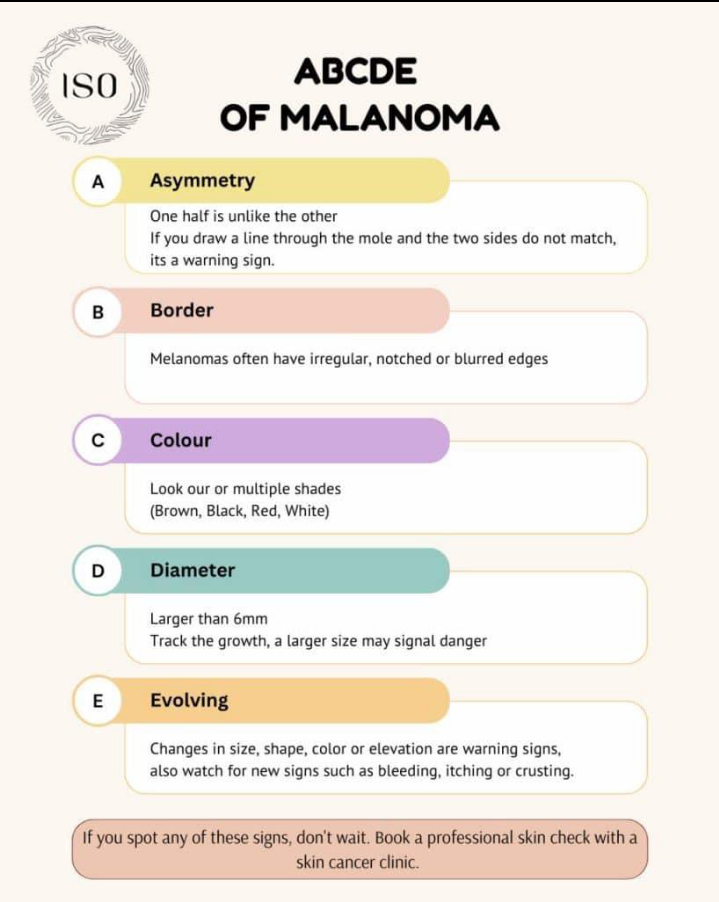
The ABCDE Rule helps identify suspicious moles:
- A – Asymmetry
- B – Border irregularity
- C – Color variation
- D – Diameter greater than 6 mm
- E – Evolving or changing appearance
Any mole showing these signs should be evaluated by a healthcare professional.
Conclusion
Melanocytic nevi are common, usually harmless skin growths formed by clusters of melanocytes. While most moles require no treatment, regular monitoring and sun protection are essential for maintaining skin health. Early detection of unusual changes can help prevent serious skin conditions and ensure timely medical care.
Healthy Skin Tip: Protect your skin from excessive sunlight, monitor your moles regularly, and consult a dermatologist if you notice any unusual changes. 🌿☀️