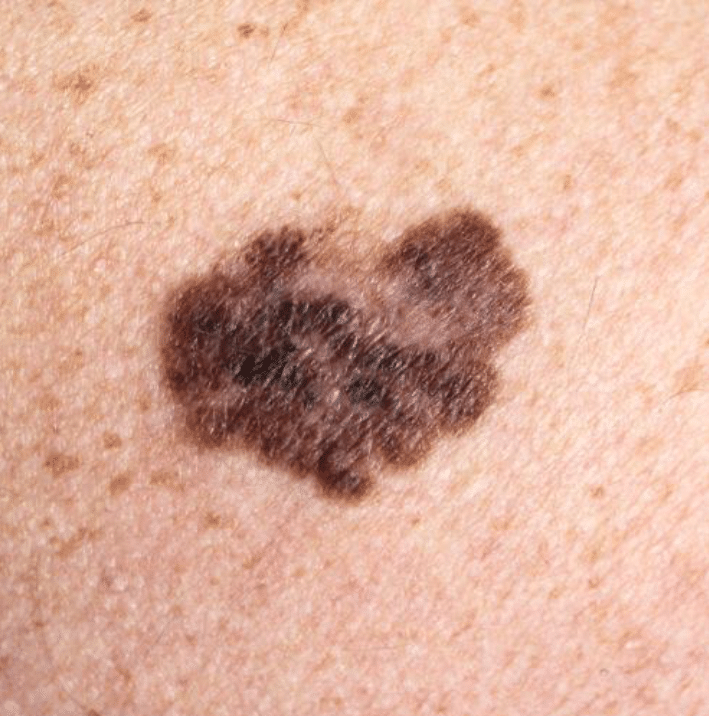
What is Melanoma?
Melanoma is the most serious type of skin cancer. It develops in melanocytes, the cells that produce melanin, the pigment responsible for skin color. Although it is less common than other skin cancers, melanoma is more dangerous because it can spread quickly to other parts of the body if not detected and treated early.
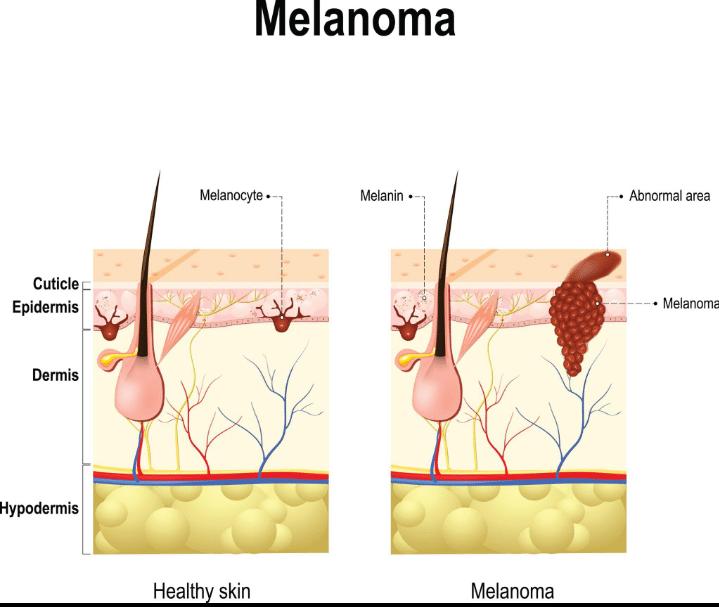
Causes and Risk Factors
Melanoma may develop due to a combination of environmental and genetic factors, including:
- Excessive exposure to ultraviolet (UV) rays from the sun or tanning beds.
- Fair skin, light-colored eyes, or blonde/red hair.
- A history of frequent sunburns.
- Having many moles or unusual-looking moles.
- A family history of melanoma.
- A weakened immune system.
Signs and Symptoms
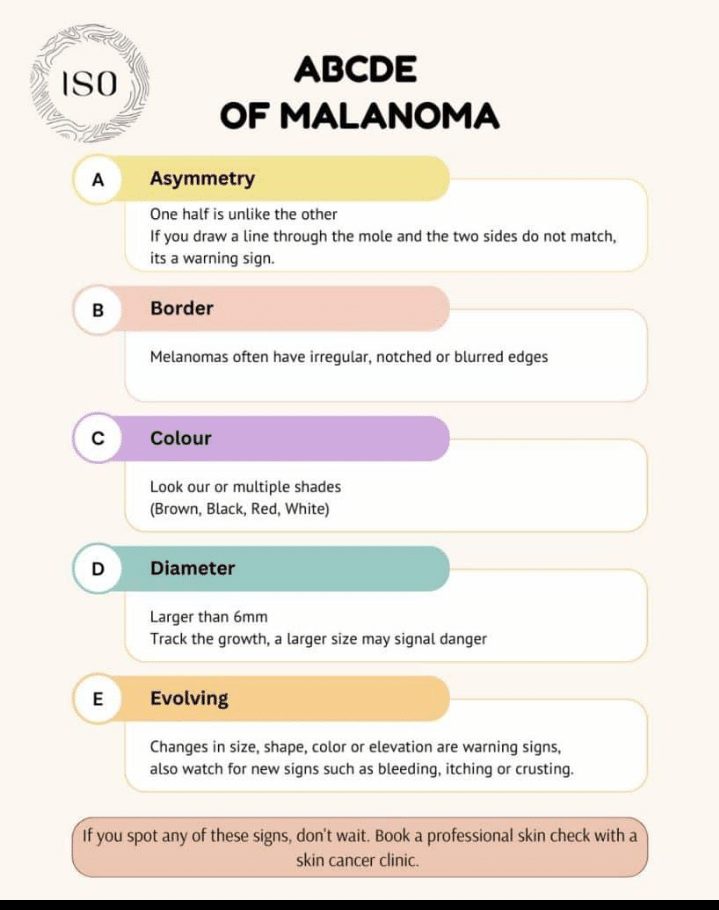
The easiest way to recognize melanoma is the ABCDE rule:
- A – Asymmetry: One half of the mole looks different from the other.
- B – Border: The edges are irregular or uneven.
- C – Color: Multiple colors or uneven pigmentation.
- D – Diameter: Larger than about 6 mm (the size of a pencil eraser).
- E – Evolving: Changes in size, shape, color, or symptoms such as itching or bleeding.
Other warning signs include:
- A new dark spot on the skin.
- A sore that does not heal.
- Bleeding, itching, or pain in a mole.
Diagnosis
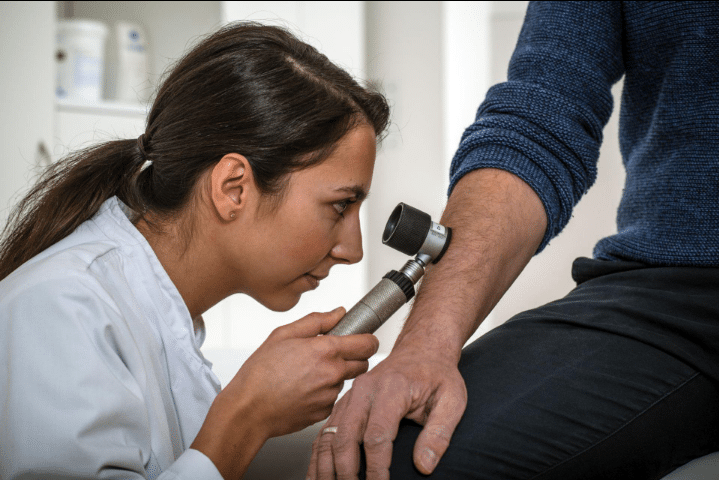
A dermatologist may diagnose melanoma through:
- Skin examination.
- Dermoscopy (using a special magnifying device).
- Skin biopsy to confirm the diagnosis.
- Imaging tests if the cancer is suspected to have spread.
Treatment Options
Treatment depends on the stage of the disease and may include:
- Surgical removal of the melanoma.
- Immunotherapy.
- Targeted therapy.
- Radiation therapy.
- Chemotherapy (less commonly used today).
Prevention
- Wear sunscreen with SPF 30 or higher.
- Avoid excessive sun exposure, especially between 10 a.m. and 4 p.m.
- Wear protective clothing, hats, and sunglasses.
- Avoid tanning beds.
- Perform monthly skin self-examinations.
- Visit a dermatologist for regular skin checks if you are at high risk.
Frequently Asked Questions (FAQs)
1. Is melanoma curable?
Yes. When detected early, melanoma is highly treatable and often curable.
2. Can melanoma spread?
Yes. If left untreated, it can spread to lymph nodes and other organs.
3. Who is at higher risk?
People with fair skin, excessive UV exposure, many moles, or a family history of melanoma are at greater risk.
4. Is sunscreen enough to prevent melanoma?
Sunscreen greatly reduces the risk but should be combined with protective clothing and avoiding intense sunlight.
5. Can people with darker skin develop melanoma?
Yes. Although less common, melanoma can occur in people of all skin tones.
6. How often should I check my skin?
A monthly self-examination is recommended, along with regular medical checkups if you have risk factors.
Conclusion
Melanoma is a serious but often preventable and treatable skin cancer when detected early. Paying attention to changes in your skin, protecting yourself from harmful UV rays, and seeking prompt medical evaluation for suspicious moles can save lives. Early diagnosis remains the key to successful treatment and long-term health.