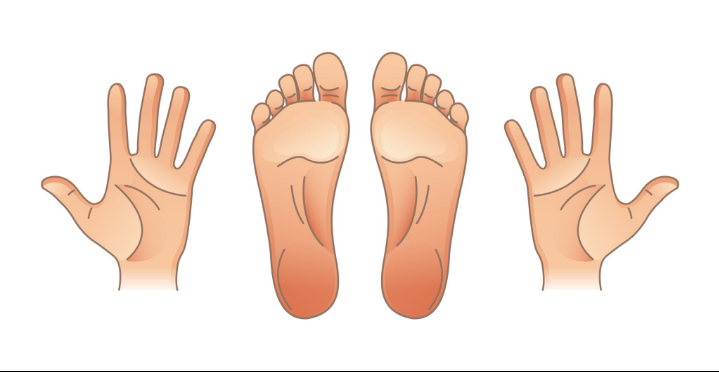
What is Palmoplantar Keratoderma?
Palmoplantar Keratoderma (PPK) is a group of skin disorders characterized by abnormal thickening of the skin on the palms of the hands and the soles of the feet. The condition may be inherited (genetic) or acquired later in life due to infections, inflammatory skin diseases, medications, or systemic illnesses.
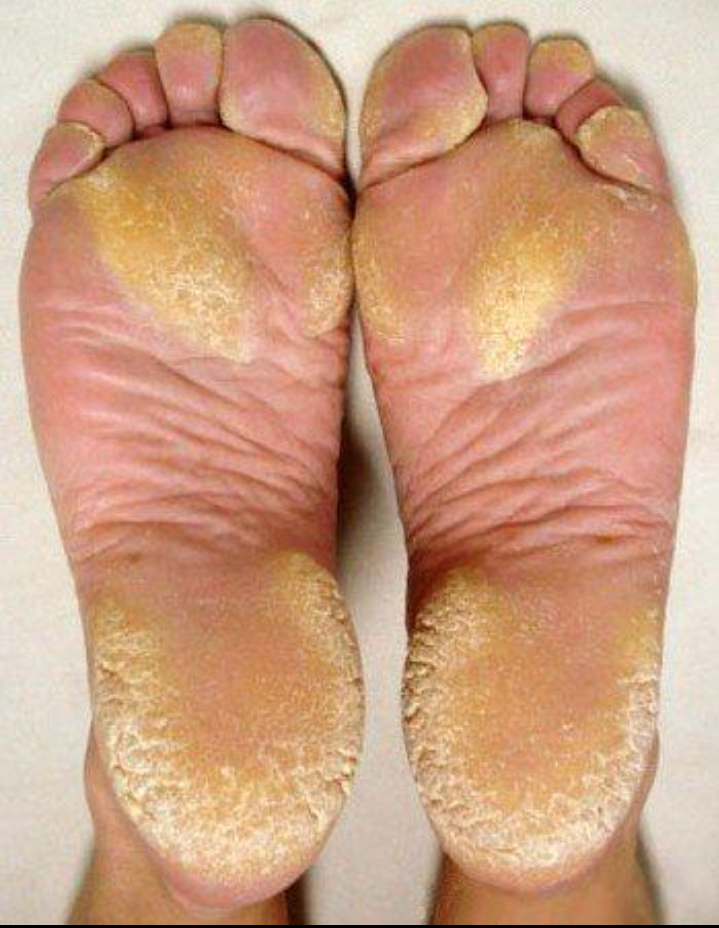
PALMOPLANTAR KERATODERMA
Types of Palmoplantar Keratoderma
- Diffuse PPK – Thickening involves most of the palms and soles.
- Focal PPK – Thickened skin develops mainly over pressure points.
- Punctate PPK – Numerous tiny, hard keratotic papules appear on the palms and soles.
Causes
- Genetic mutations (hereditary PPK)
- Psoriasis
- Eczema
- Fungal infections
- Thyroid disorders
- Certain medications
- Nutritional deficiencies
- Rarely, internal diseases or cancers
Symptoms
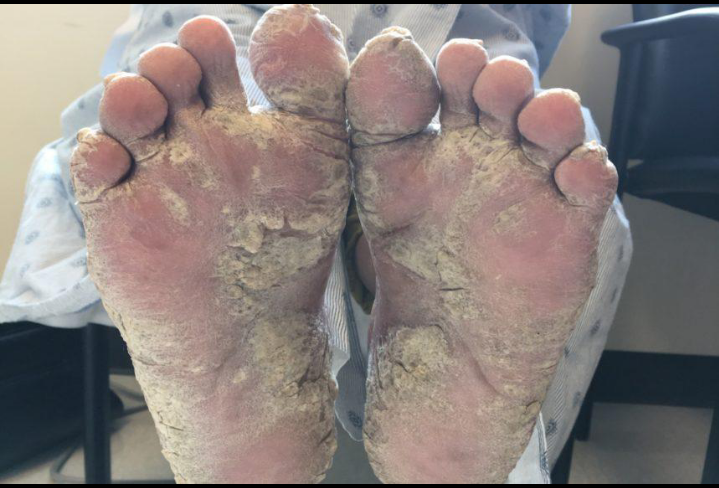
- Thick, rough, yellowish skin on palms and soles
- Pain while walking or gripping objects
- Deep cracks (fissures)
- Dryness and scaling
- Excessive sweating in some individuals
- Recurrent skin infections
Diagnosis
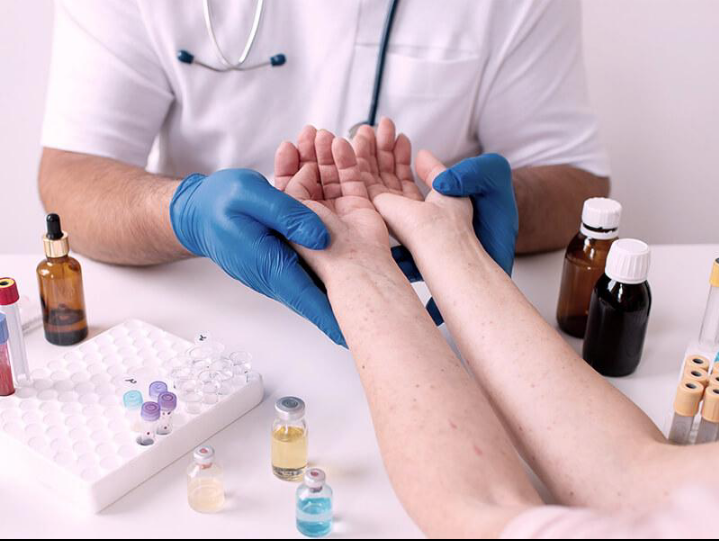
A dermatologist may diagnose PPK by:
- Clinical examination
- Family history
- Skin biopsy (if needed)
- Genetic testing (for inherited cases)
- Blood tests to identify underlying causes
Treatment
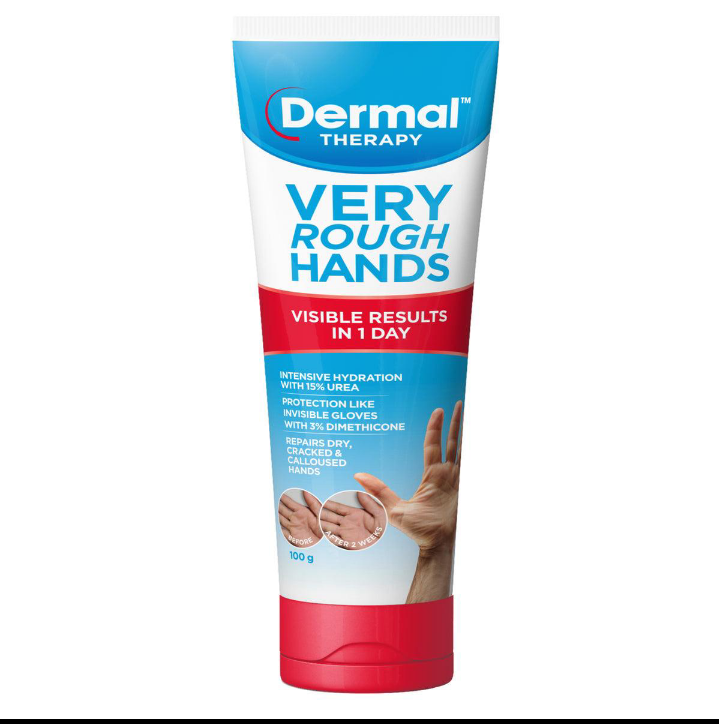
Treatment depends on the cause and severity.
- Regular use of moisturizers
- Keratolytic creams containing urea, salicylic acid, or lactic acid
- Topical retinoids in selected patients
- Oral retinoids for severe hereditary cases (under specialist supervision)
- Treatment of the underlying disease
- Comfortable footwear and protection from repeated friction
Home Care Tips
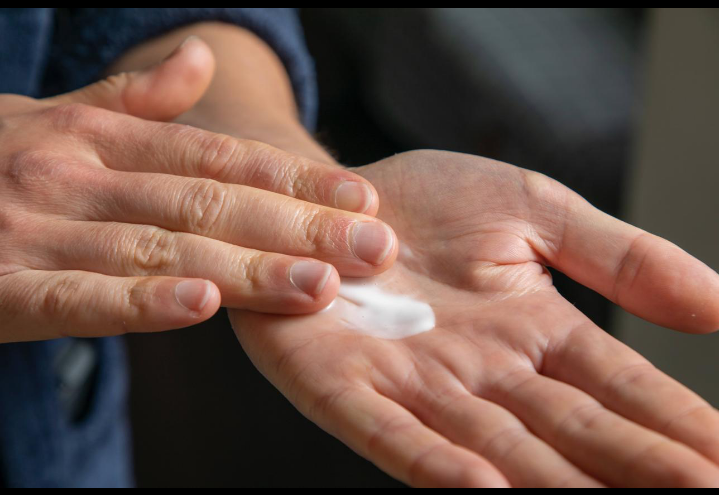
- Apply moisturizer several times daily.
- Avoid harsh soaps and detergents.
- Wear protective gloves during household work.
- Use cushioned footwear.
- Do not peel thick skin forcefully.
- Keep feet clean and dry.
Frequently Asked Questions (FAQ)
1. Is Palmoplantar Keratoderma contagious?
No. PPK itself is not contagious.
2. Can it be cured?
Inherited PPK usually cannot be permanently cured, but symptoms can be effectively controlled. Acquired PPK may improve if the underlying cause is treated.
3. Is it painful?
Yes. Thickened skin and fissures can cause significant pain, especially while walking or using the hands.
4. Can children develop PPK?
Yes. Hereditary forms often begin in infancy or early childhood.
5. Does diet affect PPK?
A balanced diet supports healthy skin, but diet alone does not cure PPK. Nutritional deficiencies should be corrected if present.
6. When should I see a doctor?
Seek medical advice if thickened skin becomes painful, develops deep cracks, bleeds, or interferes with daily activities.
Prevention
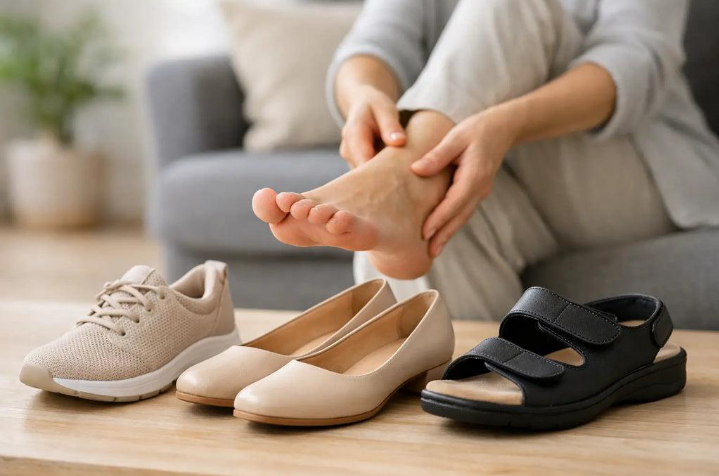
- Keep hands and feet moisturized.
- Avoid repeated friction and pressure.
- Wear well-fitting shoes.
- Treat skin infections promptly.
- Attend regular dermatology follow-ups if you have hereditary PPK.
Conclusion
Palmoplantar Keratoderma is a chronic condition that causes thickening of the skin on the palms and soles. Although hereditary forms cannot be completely cured, early diagnosis, proper skincare, regular moisturization, and appropriate medical treatment can greatly improve comfort and quality of life. If you notice persistent thickened or cracked skin on your hands or feet, consult a dermatologist for an accurate diagnosis and personalized treatment plan.