INTRODUCTION
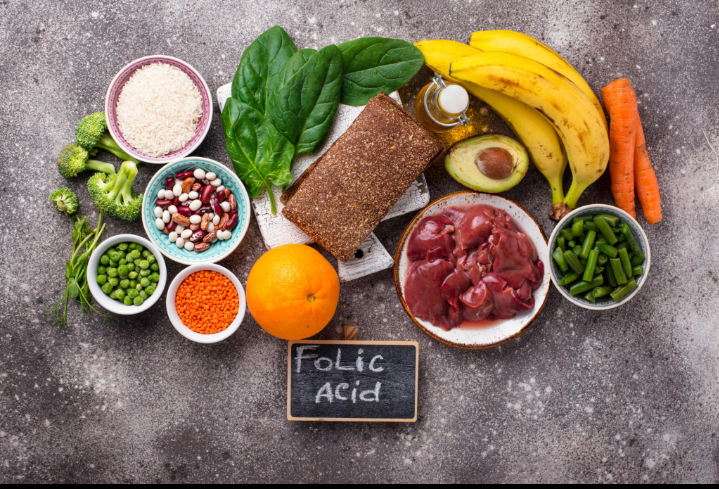
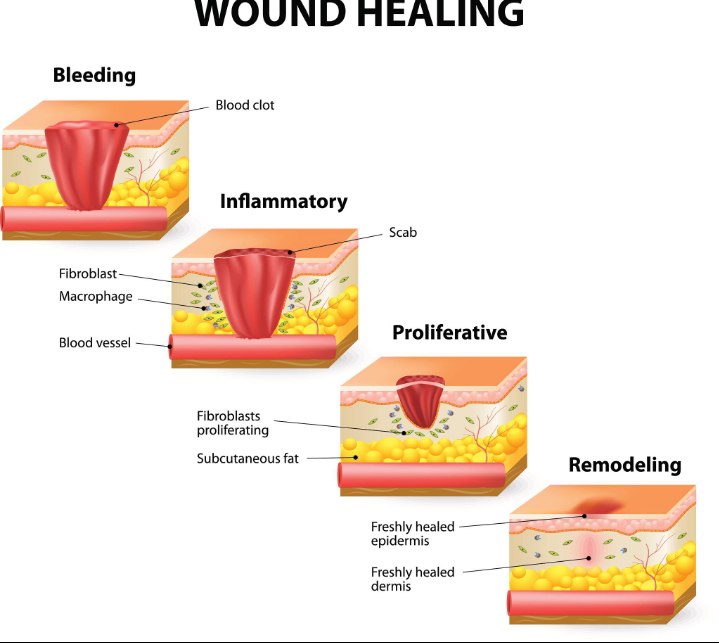
Poor healing of cuts, wounds, mouth ulcers, or skin injuries can sometimes be linked to nutritional deficiencies. One important nutrient involved in tissue repair is Folate (Vitamin B9). Folate helps the body produce new cells, repair DNA, and support healthy blood circulation — all of which are essential for proper healing.
POOR WOUND HEALING
What is Folate (Vitamin B9)?
Folate is a water-soluble B vitamin naturally found in green vegetables, beans, fruits, and fortified foods. The synthetic form is called folic acid.
Vitamin B9 plays an important role in:
- DNA production and repair
- Formation of red blood cells
- Tissue growth and regeneration
- Immune function
- Healthy skin and mucosal repair
Without enough folate, the body struggles to repair damaged tissues effectively.
How Folate Deficiency Causes Poor Healing
When folate levels are low:
- New cells are produced more slowly
- Oxygen delivery to tissues decreases due to anemia
- Immune response weakens
- Skin and mucosal tissues become fragile
- Wounds and ulcers take longer to heal
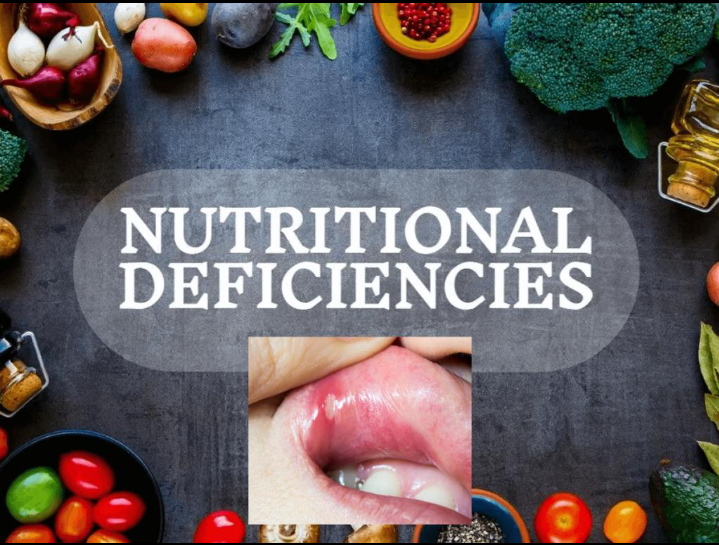
Folate deficiency may also lead to mouth sores, swollen tongue, fatigue, pale skin, and weakness.
Common Signs of Folate Deficiency
Physical Symptoms
- Slow healing cuts or wounds
- Frequent mouth ulcers
- Pale skin
- Weakness and tiredness
- Hair thinning
- Shortness of breath
Oral Symptoms
- Red or swollen tongue
- Cracks at mouth corners
- Burning sensation in the mouth
Other Symptoms
- Poor concentration
- Irritability
- Dizziness
- Loss of appetite
Causes of Folate Deficiency
Common causes include:
- Poor diet lacking vegetables and fruits
- Excessive alcohol intake
- Digestive disorders such as celiac disease or Crohn’s disease
- Overcooking vegetables
- Certain medicines (like anti-seizure drugs or methotrexate)
- Increased need during pregnancy
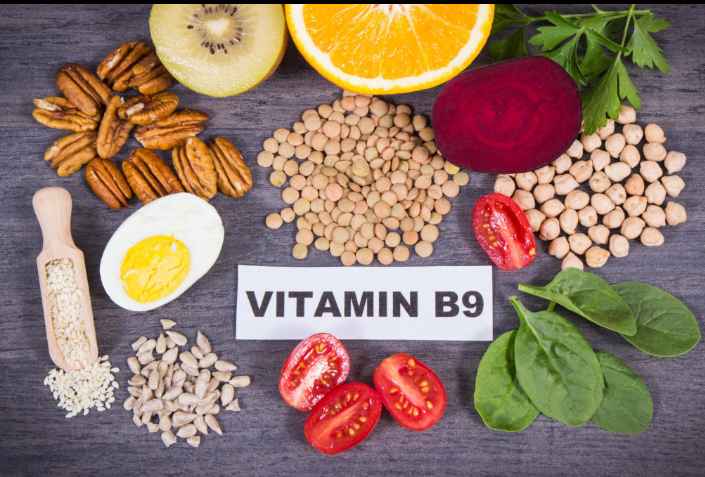
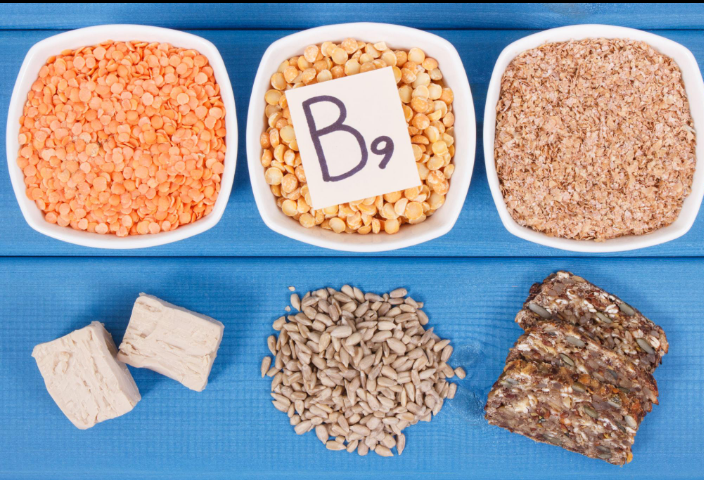
Best Foods Rich in Folate
Natural Sources
- Spinach
- Fenugreek leaves
- Broccoli
- Lentils
- Chickpeas
- Peas
- Citrus fruits
- Avocado
- Beetroot
- Eggs
Fortified Foods
- Breakfast cereals
- Fortified flour
- Bread and pasta
Tips to Improve Healing Naturally



- Eat fresh green vegetables daily
- Avoid excessive junk food and alcohol
- Stay hydrated
- Sleep properly
- Include protein-rich foods
- Take supplements only under medical guidance
- Treat underlying medical conditions
Diagnosis
Doctors may recommend:
- Complete blood count (CBC)
- Serum folate test
- Vitamin B12 test
- Iron profile
These tests help identify nutritional anemia or vitamin deficiency.
Treatment
Treatment usually includes:
- Folate-rich diet
- Folic acid supplements
- Treating underlying digestive issues
- Correcting associated deficiencies like Vitamin B12 or iron deficiency
Most people improve within a few weeks after proper treatment.
Frequently Asked Questions (FAQ)
1. Can folate deficiency slow wound healing?
Yes. Folate is essential for cell growth and tissue repair. Deficiency may delay healing and increase fatigue.
2. Can folate deficiency cause mouth ulcers?
Yes. Mouth sores and tongue inflammation are common signs of folate deficiency.
3. Which foods are highest in folate?
Leafy green vegetables, lentils, beans, citrus fruits, and fortified cereals are excellent sources.
4. Is folic acid supplementation safe?
Usually yes when taken in recommended doses, but excessive intake should be avoided without medical advice.
5. How long does recovery take?
Mild deficiency may improve within weeks after dietary correction and supplementation.
Conclusion
Folate (Vitamin B9) is vital for healthy skin, blood formation, immunity, and tissue repair. Poor healing, mouth ulcers, fatigue, and pale skin may sometimes indicate folate deficiency. A balanced diet rich in green vegetables, legumes, and fruits can help maintain healthy folate levels and support faster healing.
If symptoms persist, consult a healthcare professional for proper testing and treatment.