
Introduction
Collagen vascular diseases, also known as connective tissue diseases, are autoimmune disorders in which the body’s immune system mistakenly attacks its own tissues. These conditions often affect the skin, blood vessels, joints, muscles, and internal organs. In many cases, skin changes are among the earliest signs of disease and can help doctors make a diagnosis.
Recognizing these skin manifestations is important because they may indicate underlying systemic disease requiring prompt medical attention.

Skin Manifestations of Collagen Vascular Disease
Common Collagen Vascular Diseases and Their Skin Manifestations
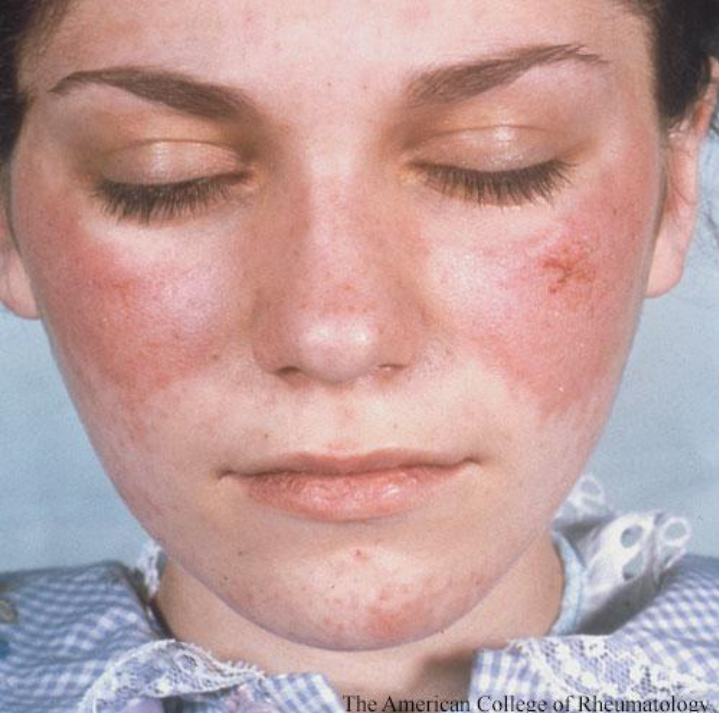
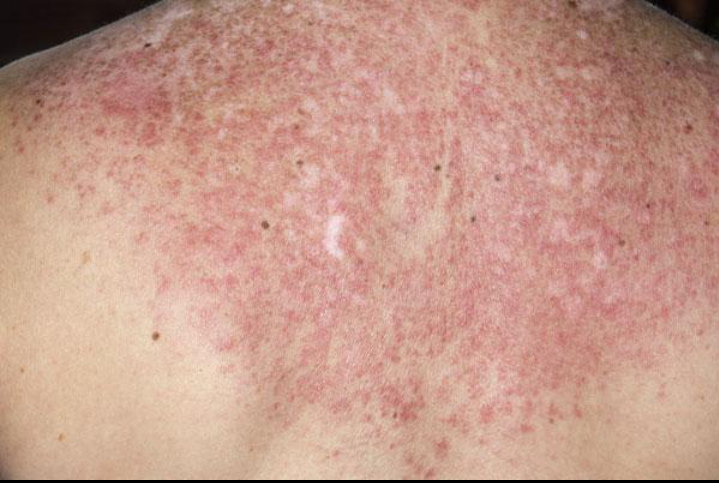
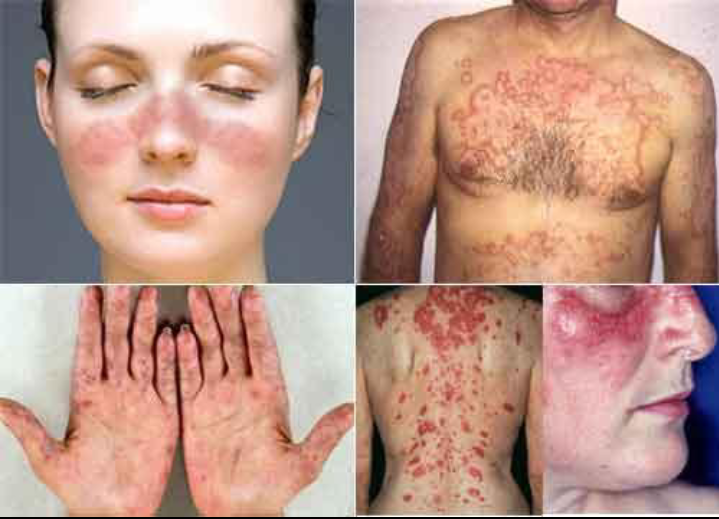
1. (SLE)
Skin Features:
- Butterfly-shaped (malar) rash across the cheeks and nose
- Photosensitivity (rash worsens with sunlight)
- Discoid (round, scaly) lesions
- Oral and nasal ulcers
- Hair loss (alopecia)
- Raynaud’s phenomenon (color changes in fingers)
2. (Scleroderma)
Skin Features:
- Thickening and hardening of the skin
- Tight, shiny skin on fingers and face
- Reduced facial expressions
- Digital ulcers on fingertips
- Telangiectasia (small dilated blood vessels)
- Calcinosis (calcium deposits under the skin)
3.
Skin Features:
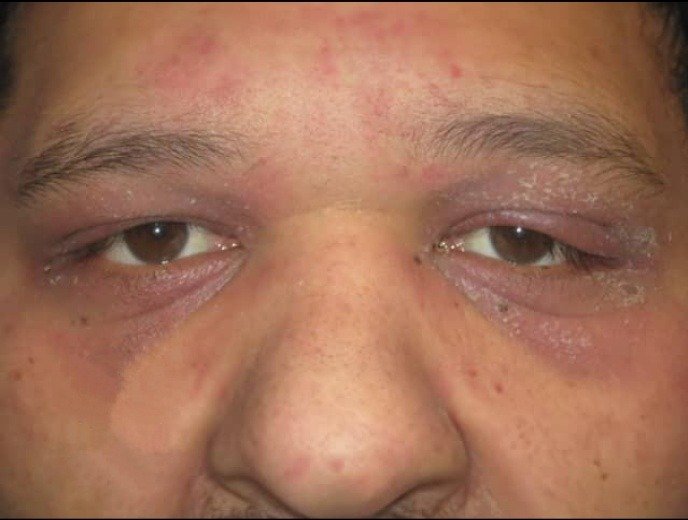
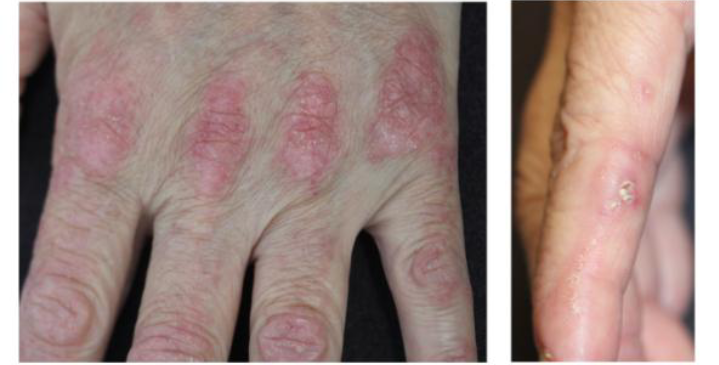
- Heliotrope rash (purple discoloration around the eyes)
- Gottron’s papules over knuckles
- Photosensitive rash on the neck and chest
- Scalp redness and itching
- Nail-fold capillary abnormalities
4.
Skin Features:
- Rheumatoid nodules over pressure points
- Vasculitic skin ulcers
- Thin, fragile skin due to chronic inflammation or treatment
5.
Skin Features:
- Purpura (purple spots due to bleeding under the skin)
- Painful ulcers
- Livedo reticularis (net-like skin discoloration)
- Nodules and blisters
- Skin necrosis in severe cases
Why Do Skin Changes Occur?
The skin manifestations arise because:
- Autoimmune inflammation damages skin tissues.
- Blood vessel inflammation reduces blood supply.
- Excess collagen deposition causes skin thickening.
- Sunlight may trigger immune reactions in susceptible individuals.
Warning Signs That Need Medical Attention
Seek medical evaluation if you notice:
- Persistent unexplained rash
- Skin thickening or tightening
- Recurrent mouth ulcers
- Purple discoloration around the eyes
- Finger color changes in cold weather
- Painful skin ulcers
- Unexplained hair loss with rash
Diagnosis
Doctors may use:
- Clinical examination
- Blood tests (ANA, Anti-dsDNA, ENA profile)
- Skin biopsy
- Nail-fold capillaroscopy
- Imaging studies when internal organs are involved
Treatment
Treatment depends on the underlying disease and may include:
- Corticosteroids
- Immunosuppressive medications
- Antimalarial drugs
- Biologic therapies
- Sun protection measures
- Moisturizers and skin care
Early treatment can help prevent complications and improve quality of life.
Frequently Asked Questions (FAQs)
1. What are collagen vascular diseases?
They are autoimmune disorders that affect connective tissues, blood vessels, skin, joints, and internal organs.
2. Can skin symptoms appear before other symptoms?
Yes. In many patients, skin changes are the first sign of an underlying connective tissue disease.
3. Is every skin rash a sign of a collagen vascular disease?
No. Many skin rashes have other causes such as allergies, infections, or eczema. Proper medical evaluation is necessary.
4. Why is sun protection important?
Sun exposure can trigger or worsen skin manifestations, especially in lupus and dermatomyositis.
5. Are these diseases curable?
Most collagen vascular diseases are chronic conditions. While they may not be completely curable, they can often be effectively managed with treatment.
6. When should I see a doctor?
If you have persistent rashes, skin thickening, unexplained ulcers, or other concerning skin changes, consult a dermatologist or rheumatologist.
Conclusion
The skin often serves as a visible window to underlying collagen vascular diseases. Conditions such as , , and frequently present with characteristic skin findings that can aid in early diagnosis. Prompt recognition and treatment of these manifestations are essential for preventing complications and improving long-term outcomes. Regular follow-up, sun protection, and adherence to treatment can significantly enhance patient well-being and quality of life.