Introduction
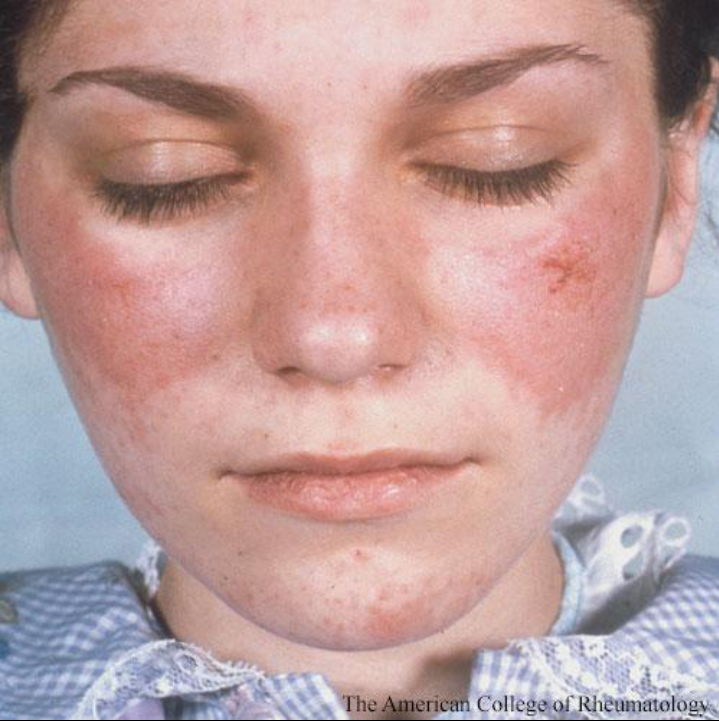
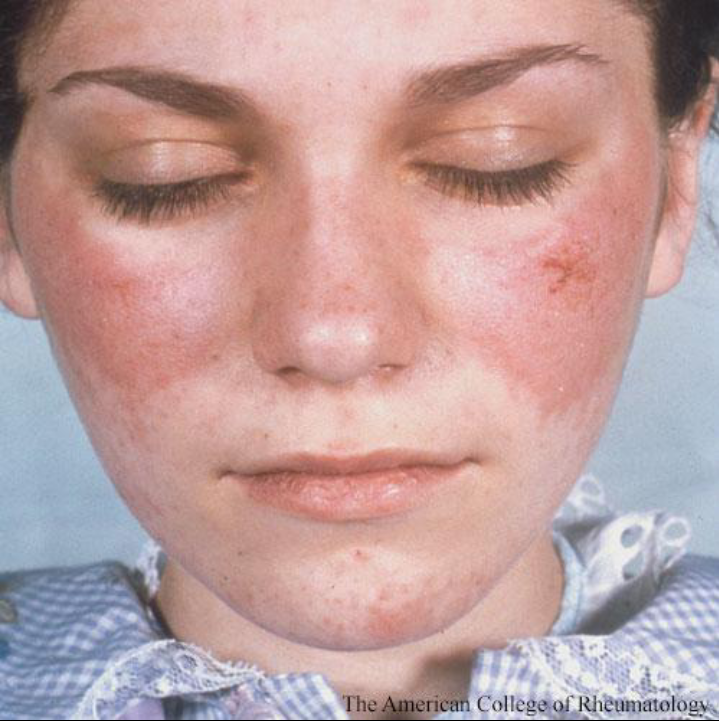
Systemic Lupus Erythematosus (SLE) is a chronic autoimmune disease in which the immune system mistakenly attacks the body’s own tissues. The skin is one of the most commonly affected organs, and skin manifestations may be the first sign of the disease. Recognizing these skin changes early can help in timely diagnosis and treatment.
S.L.E.
Common Skin Manifestations of SLE
1. Malar (Butterfly) Rash
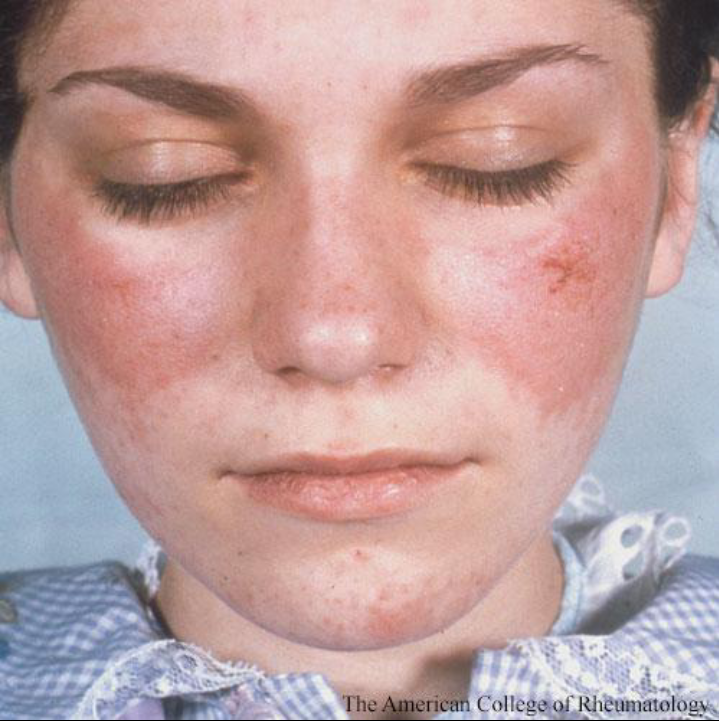
The malar rash is the hallmark skin lesion of SLE. It appears as a red or pink rash across the cheeks and bridge of the nose, resembling the shape of a butterfly.
Features:
- Symmetrical redness on both cheeks
- Usually spares the nasolabial folds
- Often triggered by sun exposure
- May be accompanied by burning or itching
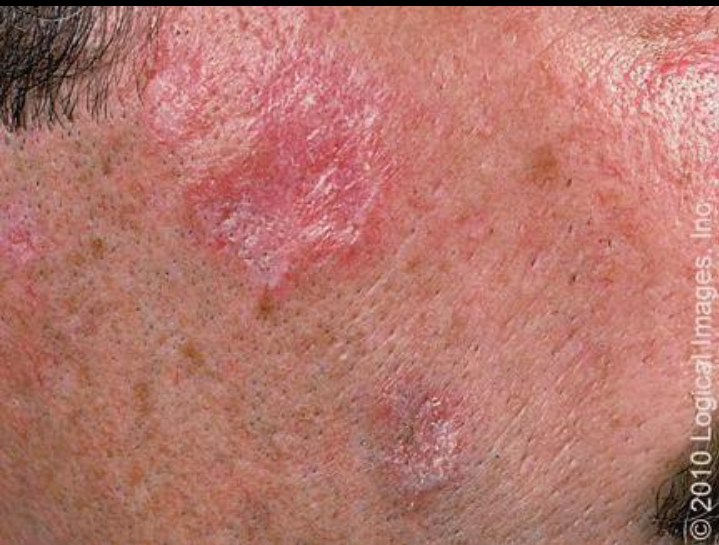
2. Discoid Lupus Lesions
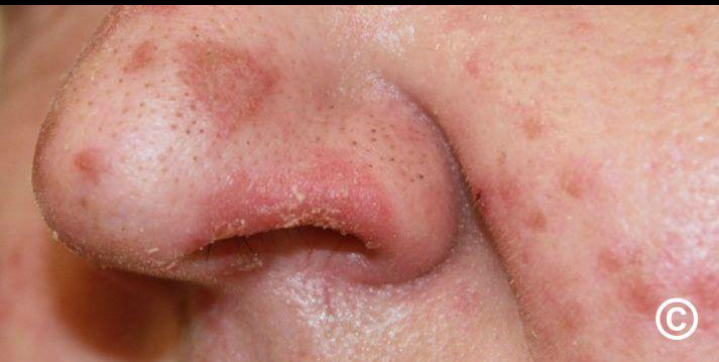
Discoid lesions are thick, scaly, coin-shaped plaques that can leave permanent scars.
Common Sites:
- Face
- Scalp
- Ears
- Neck
Complications:
- Scarring
- Permanent hair loss (scarring alopecia)
- Skin discoloration
3. Photosensitivity
Many SLE patients develop skin reactions after exposure to sunlight or ultraviolet (UV) light.
Symptoms:
- Rash after sun exposure
- Increased disease activity
- Redness and irritation
Prevention:
- Use broad-spectrum sunscreen
- Wear protective clothing
- Avoid peak sunlight hours
4. Oral and Nasal Ulcers
Painful or painless ulcers may develop inside the mouth or nose.
Characteristics:
- Recurrent episodes
- May interfere with eating and speaking
- Often occur during disease flares
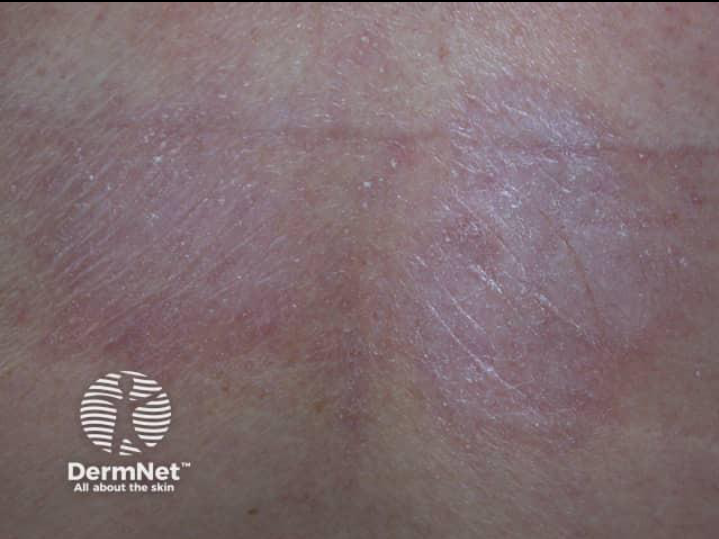
5. Subacute Cutaneous Lupus Erythematosus (SCLE)
SCLE presents as red, ring-shaped or scaly lesions.
Features:
- Non-scarring
- Highly photosensitive
- Common on the chest, shoulders, and arms
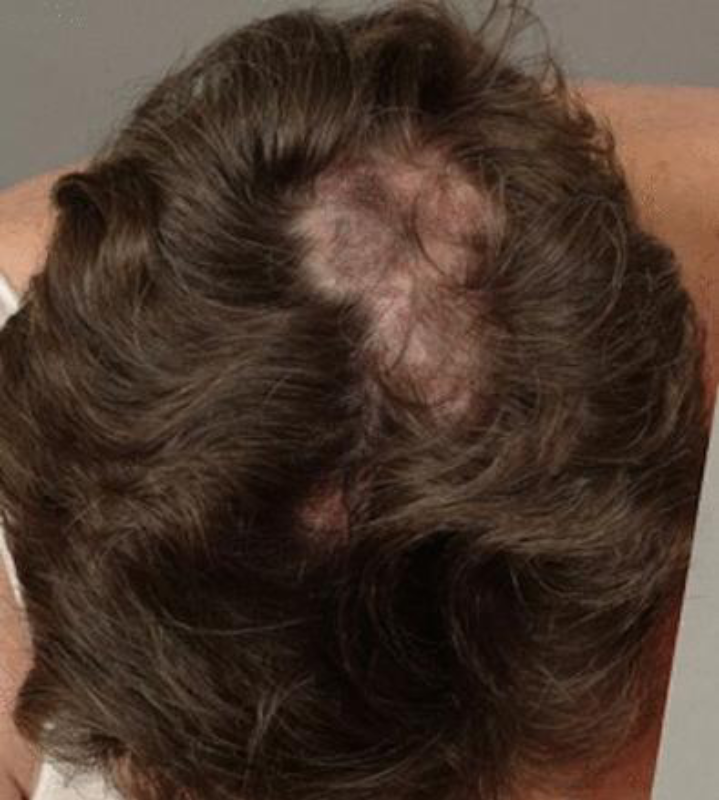
6. Hair Loss (Alopecia)
Hair loss is a frequent manifestation of lupus.
Types:
- Diffuse hair thinning
- Patchy hair loss
- Scarring alopecia from discoid lesions
7. Vasculitic Skin Lesions
Inflammation of blood vessels can cause:
- Purplish spots (purpura)
- Small ulcers
- Painful nodules
- Digital ischemia
These lesions may indicate active systemic disease.
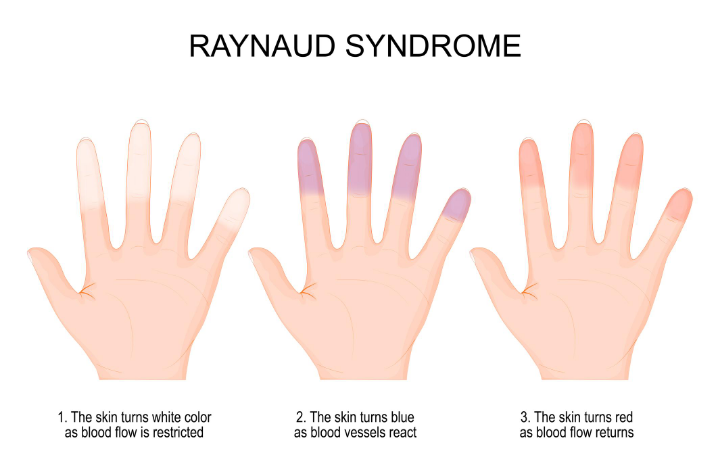
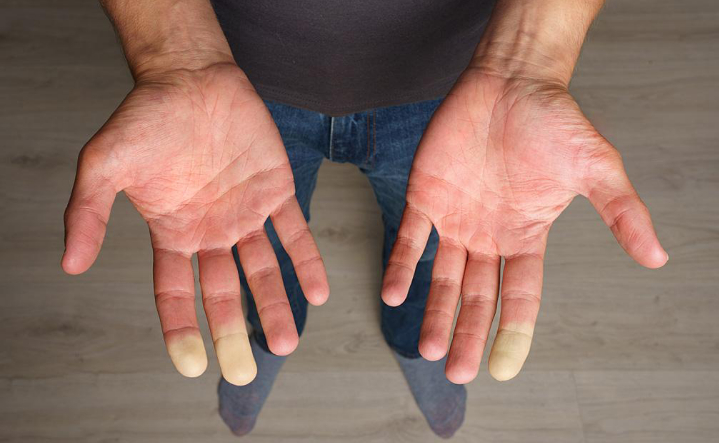
8. Raynaud’s Phenomenon
Some SLE patients experience episodes of reduced blood flow to fingers and toes.
Color Changes:
- White (reduced blood flow)
- Blue (lack of oxygen)
- Red (return of circulation)
Diagnosis of Skin Lupus
Diagnosis may include:
- Clinical examination
- Skin biopsy
- Antinuclear antibody (ANA) testing
- Anti-dsDNA and other lupus-specific antibodies
- Direct immunofluorescence studies
Management of Skin Manifestations
General Measures
- Strict sun protection
- Smoking cessation
- Healthy lifestyle
Medical Treatment
- Topical corticosteroids
- Calcineurin inhibitors
- Antimalarial drugs such as
- Immunosuppressive medications
- Biologic therapies in severe cases
Frequently Asked Questions (FAQs)
1. What is the most common skin manifestation of SLE?
The malar or butterfly rash is the most characteristic and commonly recognized skin manifestation.
2. Can lupus skin rashes be triggered by sunlight?
Yes. Photosensitivity is very common, and sunlight can trigger or worsen lupus skin lesions.
3. Does lupus cause permanent hair loss?
Hair loss may be reversible in many cases, but discoid lupus can cause permanent scarring alopecia.
4. Are all lupus skin lesions itchy?
No. Some lesions are asymptomatic, while others may itch, burn, or become painful.
5. Can skin symptoms appear before systemic symptoms?
Yes. In some patients, skin manifestations are the first indication of lupus.
6. Is lupus contagious?
No. Lupus is an autoimmune disease and cannot spread from one person to another.
7. Can sunscreen help lupus patients?
Yes. Daily use of broad-spectrum sunscreen is one of the most important preventive measures.
8. When should a patient consult a dermatologist?
Any persistent rash, photosensitivity, unexplained hair loss, or skin ulceration should be evaluated promptly.
Conclusion
Skin manifestations are among the most visible and clinically important features of Systemic Lupus Erythematosus (SLE). Common findings include the butterfly rash, discoid lesions, photosensitivity, oral ulcers, alopecia, and vasculitic changes. Early recognition and appropriate management can significantly improve quality of life and help prevent long-term complications. Regular dermatological evaluation, strict sun protection, and adherence to treatment are essential for maintaining healthy skin and controlling disease activity. 🌿💜