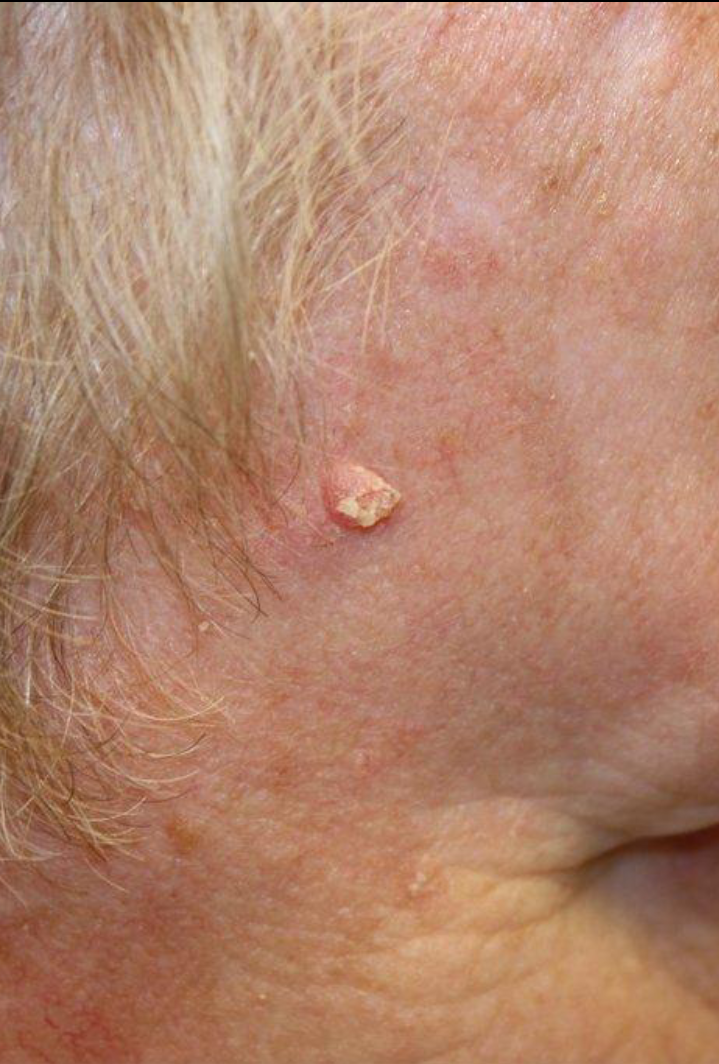
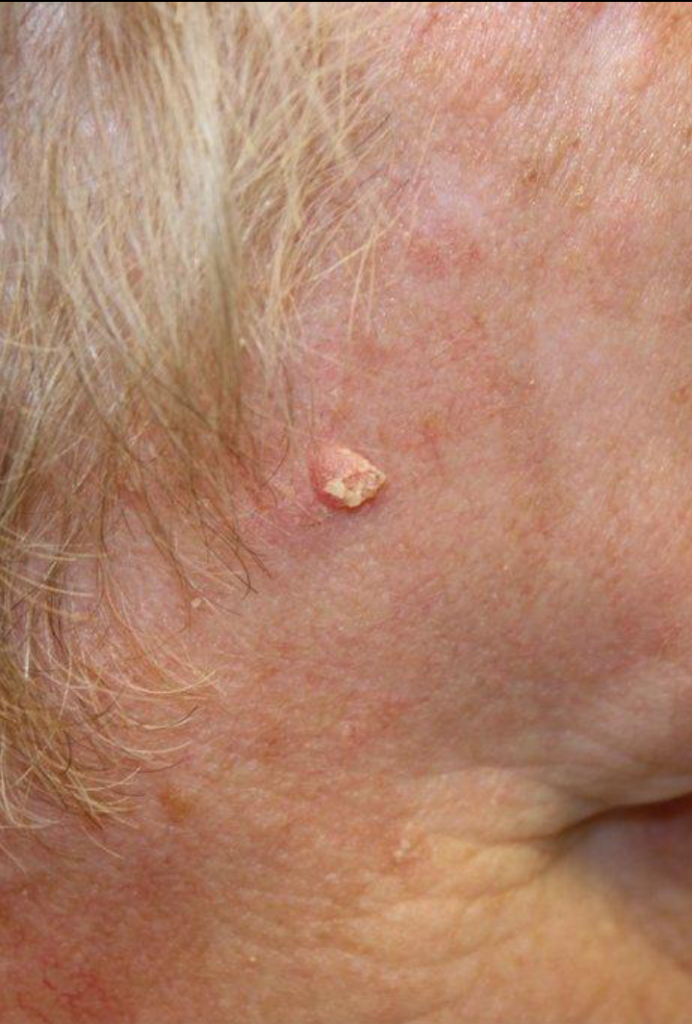
What is Squamous Cell Carcinoma?
(SCC) is the second most common type of skin cancer. It develops in the squamous cells, which form the outer layer of the skin. SCC usually appears on areas frequently exposed to the sun, such as the face, ears, neck, hands, and arms. It can also develop inside the mouth, throat, lungs, and other organs.
Early diagnosis and treatment usually result in an excellent outcome, but untreated SCC can spread to nearby tissues and, in rare cases, to other parts of the body.
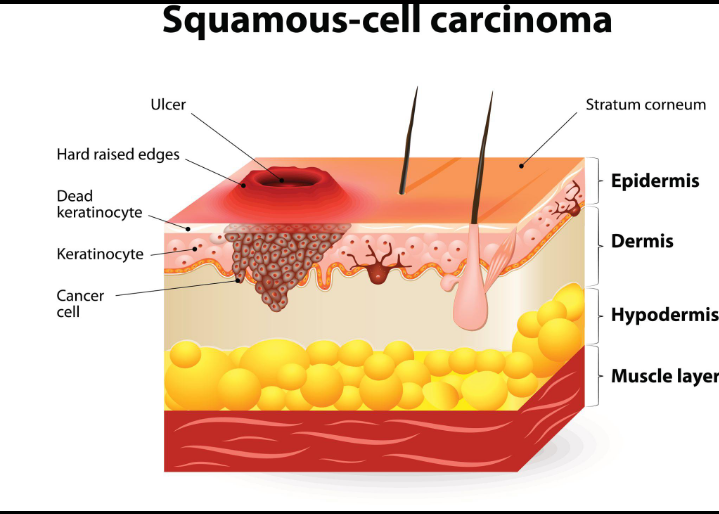
Causes and Risk Factors
- Prolonged exposure to ultraviolet (UV) rays from the sun or tanning beds.
- Fair skin, light-colored eyes, or blonde/red hair.
- Older age and a weakened immune system.
- Previous skin injuries, burns, or scars.
- Exposure to harmful chemicals such as arsenic.
- A history of precancerous skin lesions.
Symptoms
- A firm, red nodule.
- A rough, scaly patch that may bleed or crust.
- A sore that does not heal.
- A wart-like growth.
- Pain or tenderness in the affected area.
Diagnosis
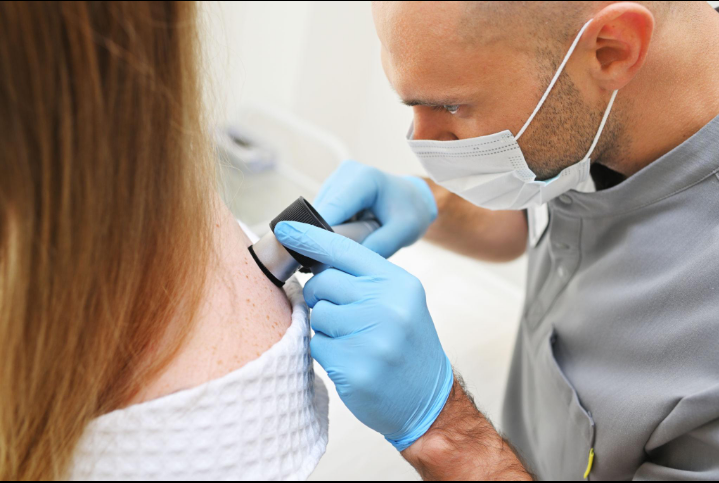
A dermatologist examines the skin and may perform a skin biopsy, where a small tissue sample is removed and examined under a microscope to confirm the diagnosis.
Treatment Options
- Surgical removal of the cancer.
- Mohs micrographic surgery for high-risk areas.
- Cryotherapy (freezing small lesions).
- Radiation therapy when surgery is not suitable.
- Topical medications for certain early-stage cases.
- Immunotherapy or targeted therapy for advanced SCC.
Prevention
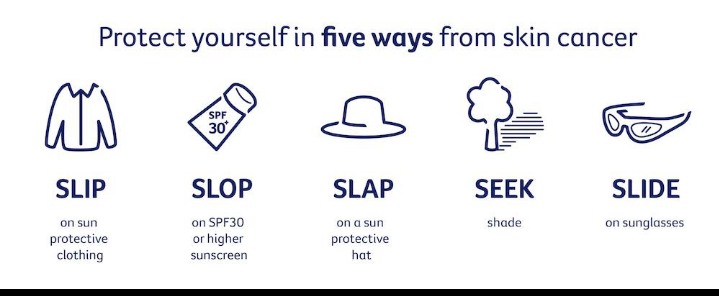
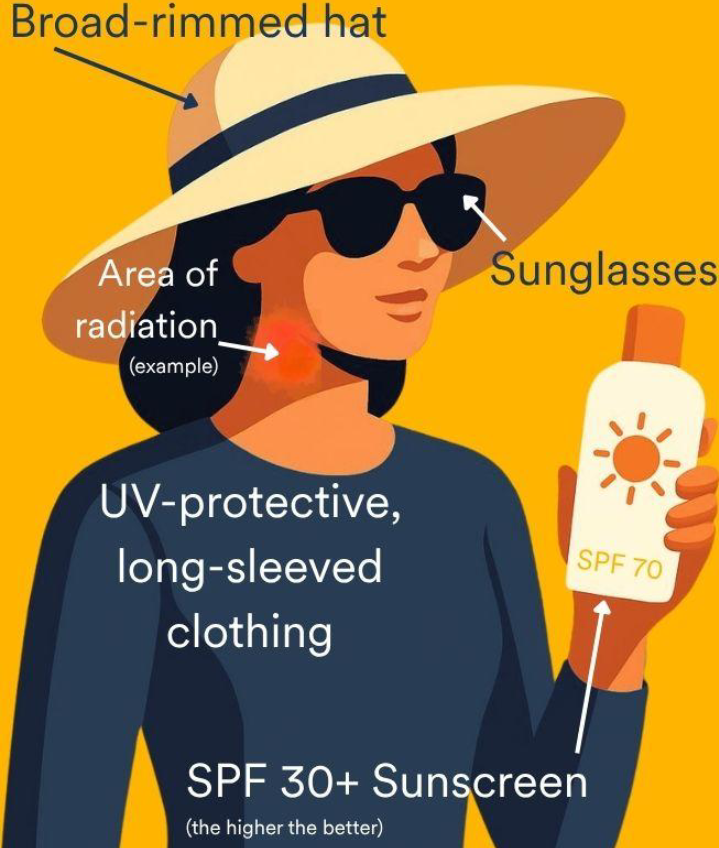
- Apply broad-spectrum sunscreen (SPF 30 or higher).
- Wear protective clothing, hats, and sunglasses.
- Avoid excessive sun exposure, especially between 10 a.m. and 4 p.m.
- Never use tanning beds.
- Perform monthly skin self-examinations.
- Visit a dermatologist regularly if you are at high risk.
Frequently Asked Questions (FAQ)
1. Is Squamous Cell Carcinoma dangerous?
It is usually highly treatable when detected early, but advanced SCC can spread and become serious.
2. Can SCC be cured?
Yes. Most cases are cured with prompt treatment.
3. Who is at higher risk?
People with frequent sun exposure, fair skin, older adults, and those with weakened immune systems.
4. Is SCC contagious?
No. Squamous Cell Carcinoma cannot spread from one person to another.
5. Can SCC be prevented?
Many cases can be prevented by protecting the skin from UV radiation and having regular skin checks.
Conclusion
Squamous Cell Carcinoma is a common but largely preventable form of skin cancer. Recognizing early warning signs, protecting your skin from harmful UV rays, and seeking prompt medical care can greatly improve outcomes. Regular skin examinations and healthy sun-safety habits are the best ways to reduce your risk and maintain healthy skin.