Introduction
Xanthomatous pustulosis is a rare inflammatory skin disorder marked by the appearance of yellowish pustules or plaques caused by collections of lipid-laden macrophages (foam cells) within the skin. The condition is often associated with lipid metabolism disorders, chronic inflammation, or underlying systemic diseases.
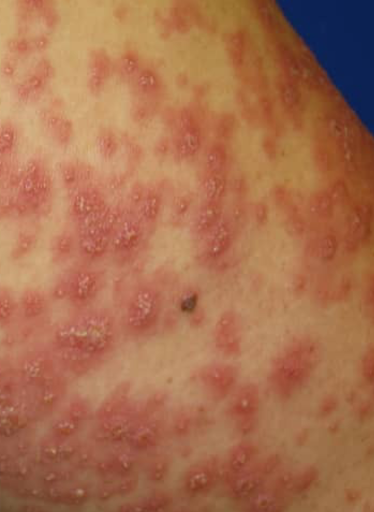
XANTHOMATOUS PUSTULOSIS
What is Xanthomatous Pustulosis?
Xanthomatous pustulosis is a condition in which pus-filled lesions (pustules) develop along with xanthomatous changes—meaning the skin becomes infiltrated with fat-filled immune cells. These lesions may resemble common pustular skin diseases but have a distinctive yellow-orange coloration due to lipid deposits.
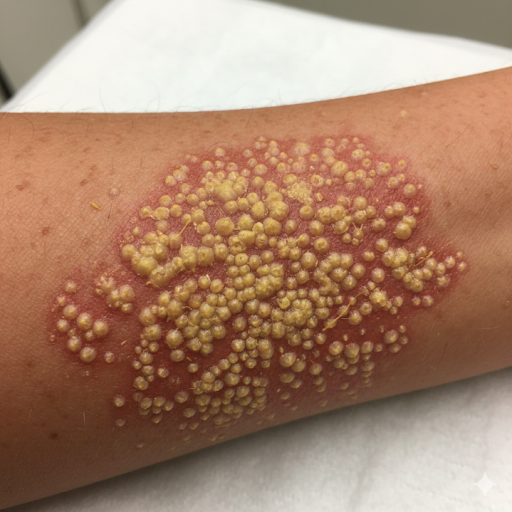
XANTHOMATOUS PUSTULOSIS
Causes
The exact cause is not always known, but it may be associated with:
- Hyperlipidemia (high cholesterol or triglycerides)
- Diabetes mellitus
- Liver diseases
- Chronic infections or inflammation
- Certain genetic lipid metabolism disorders
- Reaction to some medications
Signs and Symptoms
Common features include:
- Yellowish or orange pustules on the skin
- Red, inflamed base around lesions
- Itching or burning sensation
- Pain in some cases
- Lesions commonly appear on:
- Face
- Trunk
- Limbs
- Flexural areas
Who is at Risk?
People more likely to develop xanthomatous pustulosis include:
- Individuals with high cholesterol levels
- Patients with diabetes
- Those with a family history of lipid disorders
- People with chronic inflammatory conditions
Is it Contagious?
No. Xanthomatous pustulosis is not contagious and cannot be spread from person to person.
Diagnosis
Doctors may perform:
- Clinical examination
- Blood tests (lipid profile, sugar levels)
- Skin biopsy to confirm xanthomatous cells
- Liver function tests
Treatment
Treatment depends on the underlying cause:
Medical Treatments
- Topical corticosteroids
- Oral antibiotics (if secondary infection present)
- Lipid-lowering agents (statins, fibrates)
- Oral anti-inflammatory drugs
Lifestyle Modifications
- Low-fat, low-cholesterol diet
- Regular exercise
- Good skin hygiene
Home Care Tips
- Avoid scratching affected areas
- Use mild, non-irritating soaps
- Keep the skin clean and dry
- Apply doctor-prescribed ointments regularly
Complications
If left untreated, it may lead to:
- Secondary bacterial infection
- Scarring
- Persistent skin discoloration
Prevention
- Maintain healthy cholesterol levels
- Control diabetes effectively
- Regular health check-ups
- Balanced diet and exercise
Frequently Asked Questions (FAQs)
Q1. Is xanthomatous pustulosis dangerous?
Usually, it is not life-threatening but may indicate underlying lipid or metabolic problems.
Q2. Can it be cured completely?
Yes, with proper treatment and management of the underlying cause.
Q3. Does it leave scars?
In some cases, scarring or pigmentation may occur.
Q4. Can children get this condition?
It is rare in children but can occur, especially with inherited lipid disorders.
Q5. When should I see a doctor?
If you notice yellow pustules, persistent skin lesions, or have high cholesterol or diabetes, consult a doctor promptly.
Conclusion
Xanthomatous pustulosis is a rare but manageable skin condition. Early diagnosis and proper treatment of underlying metabolic disorders can significantly improve outcome.