Introduction
is a nutritional disorder caused by a deficiency of niacin (Vitamin B3) or its precursor, tryptophan. It is most commonly seen in populations with poor dietary intake, especially where maize (corn) is the staple food without proper processing.
Pellagra is classically known for the “3 D’s”:
- Dermatitis
- Diarrhea
- Dementia
If left untreated, it can lead to a fourth D: Death.
Causes of Pellagra
Primary Pellagra
Occurs due to insufficient intake of niacin-rich foods such as:
- Meat, fish, poultry
- Whole grains
- Nuts and legumes
Secondary Pellagra
Occurs when the body cannot absorb or utilize niacin properly. Causes include:
- Chronic alcoholism
- Malabsorption disorders
- Certain medications
- Diseases like
Symptoms of Pellagra
1. Dermatitis
- Symmetrical rash on sun-exposed areas
- Thick, dark, scaly skin
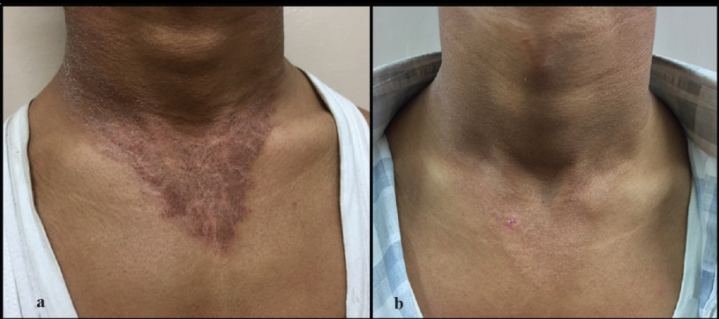
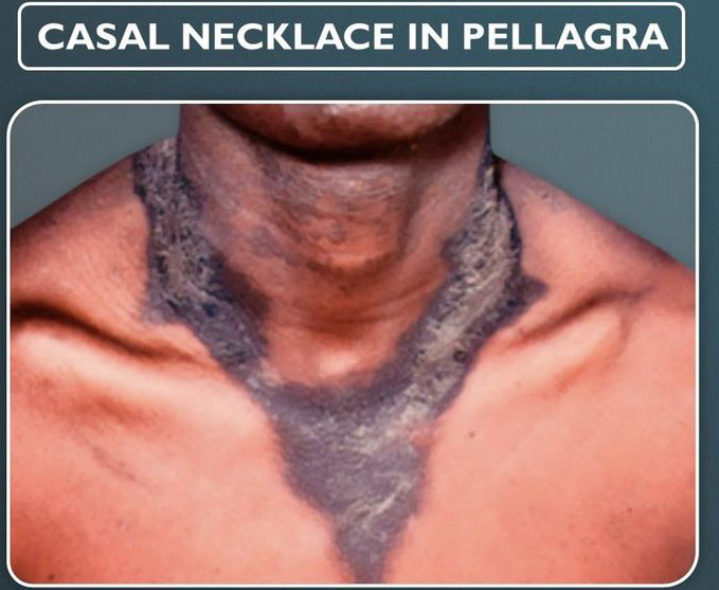
- Commonly affects face, neck (“Casal’s necklace”), hands
2. Diarrhea
- Frequent loose stools
- Abdominal pain
- Loss of appetite
3. Dementia
- Confusion
- Memory loss
- Depression or irritability
Other Symptoms
- Glossitis (red, swollen tongue)
- Fatigue
- Weight loss
Diagnosis
Pellagra is mainly diagnosed based on:
- Clinical symptoms
- Dietary history
- Response to niacin supplementation
Laboratory tests may help rule out other deficiencies.
Treatment
1. Niacin Supplementation
- Usually given as nicotinamide
- Rapid improvement in symptoms
2. Balanced Diet
Include foods rich in Vitamin B3:
- Eggs
- Milk
- Green vegetables
- Meat and fish
3. Treat Underlying Causes
- Manage alcoholism
- Treat digestive disorders
Prevention
- Eat a balanced and nutritious diet
- Proper processing of maize (nixtamalization)
- Nutritional education
- Vitamin supplementation in high-risk groups
Complications
If untreated, pellagra can lead to:
- Severe neurological damage
- Chronic gastrointestinal issues
- Death
Frequently Asked Questions (FAQ)
Q1. What is the main cause of pellagra?
The main cause is a deficiency of niacin (Vitamin B3) in the diet.
Q2. What are the early signs of pellagra?
Early signs include skin rash, diarrhea, and fatigue.
Q3. Is pellagra contagious?
No, pellagra is not infectious. It is a nutritional deficiency disease.
Q4. How is pellagra treated?
It is treated with niacin supplements and a balanced diet.
Q5. Can pellagra be prevented?
Yes, by maintaining proper nutrition and consuming niacin-rich foods.
Q6. Who is at risk of pellagra?
- People with poor nutrition
- Chronic alcoholics
- Patients with malabsorption disorders
Conclusion
Pellagra is a preventable yet potentially serious disease caused by niacin deficiency. Recognizing early symptoms like dermatitis, diarrhea, and mental changes is crucial for timely treatment. With proper nutrition, awareness, and supplementation, pellagra can be effectively prevented and treated, ensuring a healthy life.