
⭐Introduction
Pityriasis Alba is a common, harmless skin condition mainly seen in children and young adults. It causes light-colored (hypopigmented) patches on the skin, especially on the face. Although it may look concerning, it is not contagious, not dangerous, and usually resolves on its own over time.
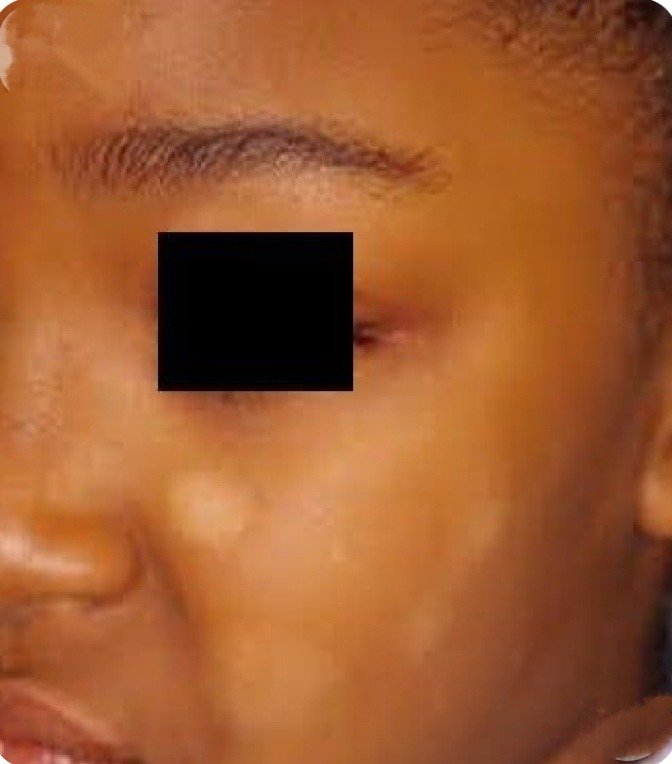
PITYRIASIS ALBA
⭐What is Pityriasis Alba?
Pityriasis Alba is a mild form of dermatitis (skin inflammation) characterized by pale, scaly patches. The affected areas often appear more noticeable in people with darker skin or after sun exposure.
⭐Causes of Pityriasis Alba
The exact cause is not fully known, but it is commonly associated with:
- Dry skin
- Atopic dermatitis (eczema)
- Excessive sun exposure
- Frequent use of harsh soaps
- Poor skin hydration
NOTE :-
It is believed to occur due to temporary reduction in skin pigment following mild inflammation.
⭐Symptoms
Common symptoms include:
- Light or white patches on the skin
- Mild dryness or fine scaling
- Slight itching (usually minimal)
- Commonly affects face, cheeks, arms, neck, and shoulders
⭐Who is at Risk?
- Children and adolescents (ages 3–16)
- People with a history of eczema
- Individuals with dry or sensitive skin
- Those living in hot or dry climates
⭐Diagnosis
Pityriasis Alba is usually diagnosed through:
- Clinical examination
- Medical history
NOTE :-
No blood tests or biopsies are typically required. It is important to differentiate it from conditions like vitiligo, tinea versicolor, or post-inflammatory hypopigmentation.
⭐Treatment
Pityriasis Alba often improves without treatment, but the following measures help speed recovery:
1. Moisturizers
- Regular use of emollients reduces dryness and scaling.
2. Mild Topical Steroids
- Low-potency corticosteroids may be prescribed for redness or itching.
3. Calcineurin Inhibitors
- Tacrolimus or pimecrolimus may help restore skin color.
4. Sunscreen
- Prevents tanning of surrounding skin, making patches less noticeable.
⭐Home Care Tips
- Use gentle, fragrance-free cleansers
- Avoid hot water bathing
- Apply moisturizer immediately after bathing
- Limit excessive sun exposure
⭐Prognosis
Pityriasis Alba has an excellent prognosis. Skin color usually returns to normal within months to a year, with no permanent scarring or pigment loss.
⭐Frequently Asked Questions (FAQs)
Q1. Is Pityriasis Alba contagious?
No, it is not contagious and cannot spread from person to person.
Q2. Is it a type of vitiligo?
No. Unlike vitiligo, pigment loss in pityriasis alba is temporary and mild.
Q3. Can adults get Pityriasis Alba?
Yes, but it is more common in children and teenagers.
Q4. Does it need medical treatment?
Most cases improve with simple skincare. Medical treatment is only needed if symptoms persist.
Q5. Can diet affect Pityriasis Alba?
There is no direct link, but a healthy diet supports overall skin health.
⭐Conclusion
Pityriasis Alba is a benign, self-limiting skin condition that mainly affects children and young adults. Though it may cause cosmetic concern, especially on the face, it does not lead to serious health issues. Proper skincare, moisturization, and sun protection play a key role in managing and improving the condition. With patience and care, normal skin color usually returns naturally.




👍