INTRODUCTION
Scalp psoriasis is a common, chronic skin condition that affects the scalp and sometimes extends beyond the hairline. It can cause discomfort, itching, and visible flakes, often leading to emotional stress and self-consciousness. Although it is not contagious, scalp psoriasis requires proper care and long-term management to control flare-ups.
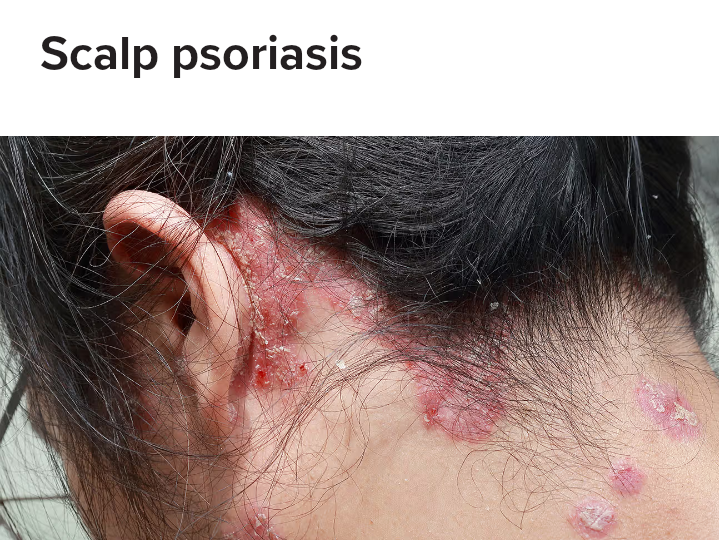
What is Scalp Psoriasis?
Scalp psoriasis is an autoimmune condition in which skin cells multiply much faster than normal. This rapid buildup leads to thick, scaly patches on the scalp. The condition may appear as mild dandruff-like scaling or as thick, inflamed plaques covering large areas of the scalp.
Causes of Scalp Psoriasis
The exact cause is not fully known, but several factors play a role:
- Overactive immune system
- Genetic predisposition (family history of psoriasis)
- Stress and anxiety
- Cold or dry weather
- Infections
- Certain medications
- Injury or trauma to the scalp
Common Symptoms
- Thick, silvery-white scales on the scalp
- Red or inflamed skin patches
- Persistent itching or burning sensation
- Dry scalp that may crack and bleed
- Temporary hair loss due to scratching (hair usually regrows)
How is Scalp Psoriasis Diagnosed?
Doctors usually diagnose scalp psoriasis through a physical examination of the scalp and skin. In rare cases, a skin biopsy may be recommended to confirm the diagnosis.
Treatment and Management
While there is no permanent cure, scalp psoriasis can be effectively controlled with proper treatment:
1. Medicated Shampoos
- Coal tar shampoo
- Salicylic acid shampoo
- Ketoconazole shampoo
2. Topical Treatments
- Corticosteroid lotions or foams
- Vitamin D analogues
- Moisturizing scalp oils
3. Lifestyle and Home Care
- Avoid scratching the scalp
- Manage stress through yoga or meditation
- Use gentle hair care products
- Maintain a healthy diet
4. Advanced Treatments (for severe cases)
- Phototherapy
- Oral or injectable medications (as prescribed by a dermatologist)
Frequently Asked Questions (FAQ)
Q1. Is scalp psoriasis contagious?
No, scalp psoriasis is not contagious and cannot spread from person to person.
Q2. Can scalp psoriasis cause permanent hair loss?
No, hair loss is usually temporary and caused by scratching or inflammation. Hair typically grows back once the condition is controlled.
Q3. Is scalp psoriasis the same as dandruff?
No. Dandruff causes loose, white flakes without inflammation, while scalp psoriasis causes thick scales with redness and itching.
Q4. Can stress worsen scalp psoriasis?
Yes, stress is a major trigger and can worsen flare-ups.
Q5. Can scalp psoriasis be cured completely?
There is no permanent cure, but with proper treatment and care, symptoms can be well managed.
Conclusion
Scalp psoriasis is a long-term condition that can affect both physical comfort and emotional well-being. Early diagnosis, consistent treatment, and healthy lifestyle choices play a crucial role in managing symptoms and reducing flare-ups. If you experience persistent itching, scaling, or redness on the scalp, consulting a dermatologist is essential. With the right approach, people with scalp psoriasis can lead a comfortable and confident life.😊