Introduction
Toxic Epidermal Necrolysis (TEN) is a rare but life-threatening skin condition that causes severe damage to the skin and mucous membranes. It is considered a medical emergency because the top layer of the skin begins to peel away, similar to severe burns. TEN usually occurs as a serious reaction to certain medications or infections.
Although uncommon, TEN requires immediate hospitalization and intensive care. Early diagnosis and treatment can save lives.
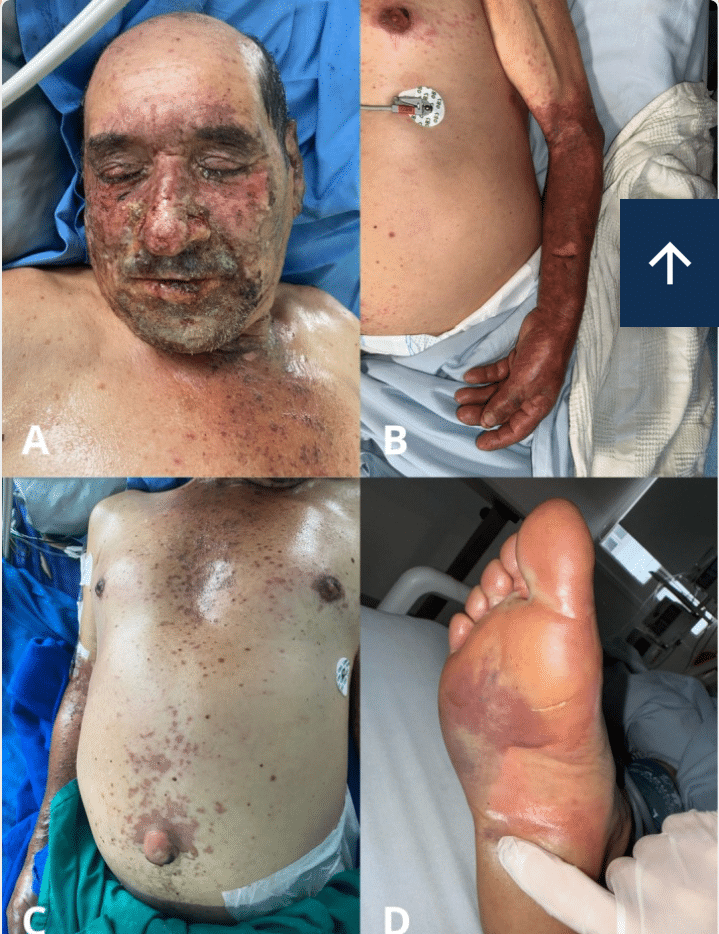
TOXIC EPIDERMAL NECROLYSIS
What is Toxic Epidermal Necrolysis?
Toxic Epidermal Necrolysis is the most severe form of a group of skin reactions known as Stevens-Johnson Syndrome (SJS) and TEN.
- SJS affects less than 10% of body surface area
- TEN affects more than 30% of body surface area
- Cases between 10% and 30% are called SJS/TEN overlap
In TEN, skin cells die and detach from the body, leaving painful raw areas that are vulnerable to infection and fluid loss.
Causes of TEN
The most common cause of TEN is a reaction to medication. Some common triggers include:
- Antibiotics (such as sulfonamides, penicillins)
- Anti-seizure medicines
- Painkillers (NSAIDs)
- Gout medicine (allopurinol)
- Some HIV medications
Other causes may include:
- Viral or bacterial infections
- Weakened immune system
- Unknown causes (in some cases)
Symptoms of TEN
Symptoms often begin like the flu and then worsen rapidly.
Early Symptoms:
- Fever
- Sore throat
- Fatigue
- Body aches
- Burning eyes
Skin Symptoms:
- Red or purple rash
- Blisters on skin and mouth
- Skin peeling
- Severe pain
- Sensitivity to touch
Other Symptoms:
- Difficulty swallowing
- Eye irritation
- Trouble breathing
- Dehydration
How is TEN Diagnosed?
Doctors diagnose TEN through:
- Physical examination
- Medical history (especially recent medicines)
- Skin biopsy
- Blood tests
- Eye and organ evaluation
Treatment of TEN
TEN treatment usually happens in the hospital, often in an ICU or burn unit.
Main Treatments:
- Stop the triggering medicine immediately
- Fluid replacement
- Wound care
- Pain control
- Preventing infections
- Nutritional support
- Eye care
- Special medicines such as:
- Corticosteroids
- IVIG
- Cyclosporine
(depending on doctor’s judgment)
Complications of TEN
TEN can lead to serious problems such as:
- Severe infection (sepsis)
- Dehydration
- Organ failure
- Vision loss
- Scarring
- Breathing problems
- Death (in severe cases)
Recovery and Prognosis
Recovery depends on:
- Age
- Overall health
- How much skin is affected
- Speed of treatment
- Presence of complications
Some people recover fully, while others may have long-term skin, eye, or emotional effects.
Frequently Asked Questions (FAQ)
1. Is TEN contagious?
No, TEN is not contagious. It cannot spread from person to person.
2. Can TEN be cured?
There is no instant cure, but prompt treatment greatly improves recovery chances.
3. How rare is TEN?
TEN is very rare. It affects only a small number of people each year.
4. Which medicines commonly cause TEN?
Antibiotics, anti-seizure drugs, NSAIDs, and allopurinol are common triggers.
5. How long does recovery take?
Recovery may take weeks to months depending on severity.
6. Can TEN happen again?
Yes, if the same triggering medicine is taken again. Avoidance is very important.
7. Is TEN the same as SJS?
They are related conditions, but TEN is more severe and affects a larger area of skin.
Prevention Tips
- Inform doctors about any past drug allergies
- Avoid medicines that caused previous reactions
- Take new medicines only under medical advice
- Seek immediate care for rash with fever after starting a new drug
Conclusion
Toxic Epidermal Necrolysis is a rare but extremely serious medical condition that needs urgent attention. Recognizing the early signs, stopping the trigger, and getting immediate hospital treatment can make a major difference. Awareness of medication reactions and prompt medical care are the keys to prevention and survival.